The short answer
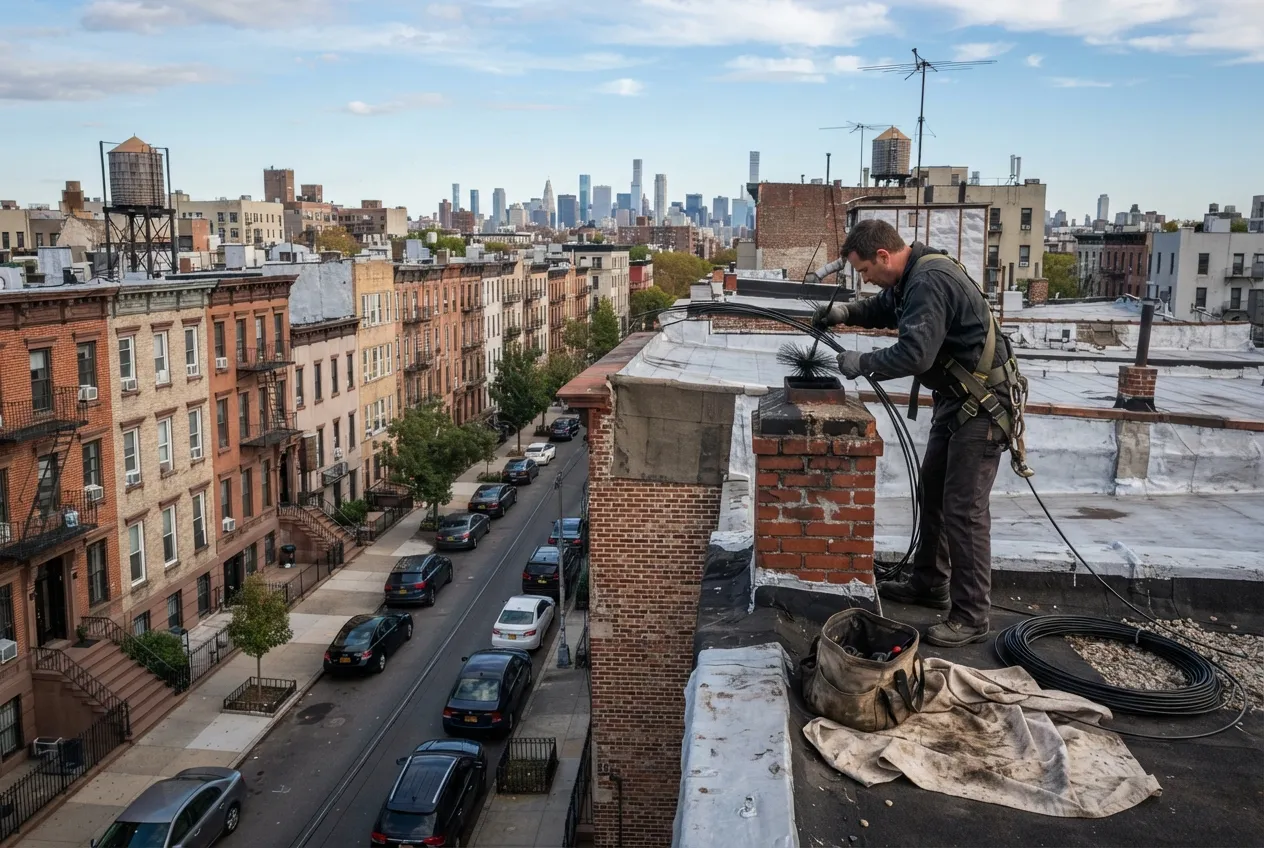
Yes, PrimeFlue Chimney Services works in Carnegie Hill, about a mile from our Manhattan office. Our certified technicians sweep, inspect, repair and reline chimneys and clean air ducts and dryer vents in the neighborhood's brownstones, rowhouses and pre-war apartment buildings.
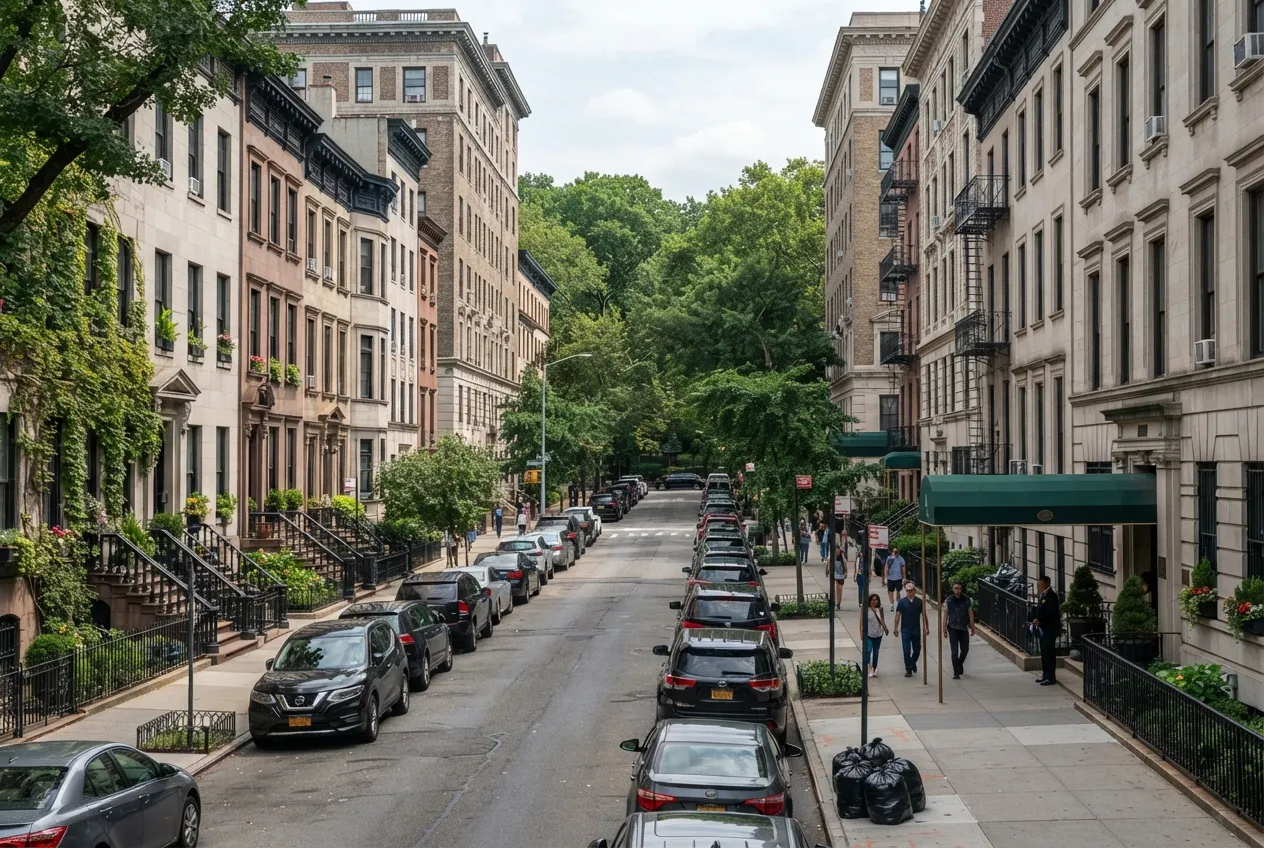
Carnegie Hill is about a mile from our Manhattan office, so PrimeFlue Chimney Services technicians are close by when a fireplace, flue or vent in the neighborhood needs attention. Carnegie Hill has many brownstones, rowhouses and pre-war apartment buildings. These buildings tend to have older masonry chimneys and several flues per stack. Many also have venting that has been changed more than once over the decades. Our certified technicians sweep, inspect, repair and reline chimneys here. We also clean air ducts and dryer vents in houses and apartments. Below is what we look for in Carnegie Hill homes and how to plan the work around New York's seasons.
What Carnegie Hill Homes Usually Need
Many townhouses here were built with several fireplaces that share one chimney stack, and each fireplace has its own flue. Some are still used for wood fires, some were sealed off years ago, and some now vent a boiler or water heater. Each use puts different demands on the flue. We check each flue separately rather than assuming the whole stack is in the same condition.
In pre-war apartment buildings, the usual concerns are different. They include the central boiler flue, working or decorative fireplaces in individual units, and long dryer vent runs that pass through interior walls before reaching the outside. If your building has a managing agent or a board that has to approve work, we can coordinate access and scheduling with them.
- Chimney sweep and chimney inspection for wood-burning fireplaces
- Fireplace and damper repair for fireplaces that have sat unused
- Chimney liner installation for boiler and water heater flues
- Chimney cap, chase cover and chimney waterproofing to keep water out
- Chimney repair and chimney rebuilding for cracked crowns and damaged brick
- Air duct cleaning and dryer vent cleaning
New York Weather Is Hard on Old Masonry
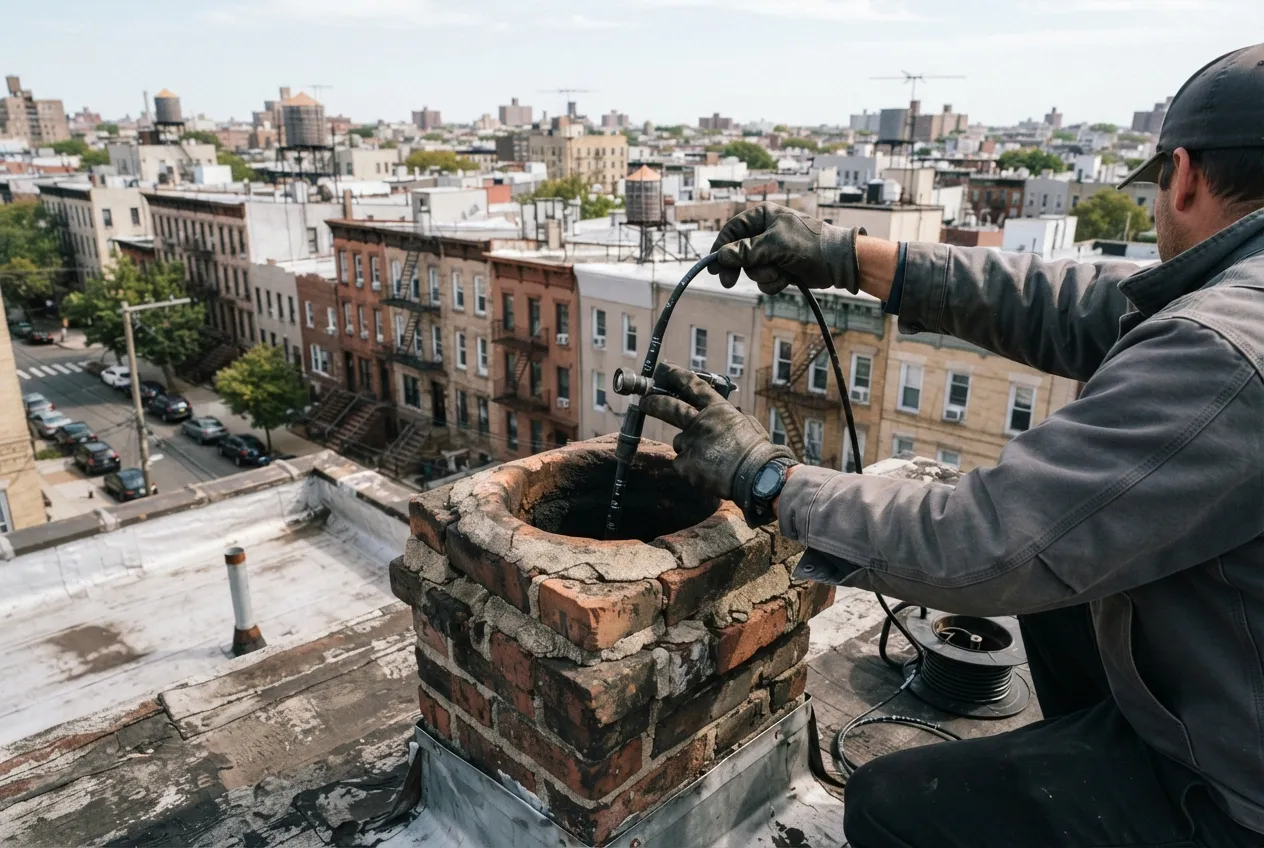
New York winters bring repeated freeze-thaw cycles. Water soaks into brick and mortar, then expands when it freezes. Over a few seasons, that process opens cracks, loosens chimney crowns and causes brick faces to flake off. Nor'easters and wind-driven rain push moisture sideways into chimneys that stand exposed above the roofline. Humid summers can then bring a musty smell out of a damp flue.
A chimney cap and chase cover keep rain, debris and animals out of the flue. Waterproofing with a vapor-permeable sealer helps masonry shed water while still letting it dry out. If the damage has gone further, the fix may be repointing, crown repair or rebuilding the part of the chimney above the roofline.
Inspections, Oil-to-Gas Conversions and the Heat Season
The NFPA 211 standard calls for chimneys, fireplaces and vents to be inspected once a year. There are three inspection levels:
A Level 1 inspection covers the accessible parts of the system when nothing has changed.
A Level 2 inspection is for when the system changes, such as a new appliance or a switch in fuel. It is also used when a home is sold, which matters in a neighborhood where townhouses and co-ops change hands regularly.
A Level 3 inspection is for hidden hazards that can only be reached by opening part of the chimney or building.
When a New York City building converts its boiler from oil to gas, the chimney has to be evaluated as part of the work. Gas exhaust produces acidic condensate that can corrode a masonry flue, so a new liner is often needed. We inspect the existing flue and install a correctly sized liner when one is called for.
The city's heat season runs from October 1 through May 31. During that time, building owners must keep apartments heated to the city's minimum temperatures. If you schedule chimney and boiler flue work in late spring or summer, there is time to finish any repairs before heat is required again.
Time for your annual chimney check?
Air Ducts and Dryer Vents
According to the U.S. Fire Administration, failure to clean is the leading factor contributing to clothes dryer fires in homes. In Manhattan apartments and townhouses, dryer vents often run longer and turn more corners than in suburban houses, so lint builds up faster. Watch for these signs: clothes that take longer to dry, a laundry area that feels unusually hot, or a burning smell.
For air ducts, we follow EPA guidance. The EPA advises cleaning ducts when there is substantial visible mold growth, vermin, or excessive dust and debris. It also notes that duct cleaning has not been shown to prevent health problems. So we inspect first, show you what we found, and recommend cleaning only when it is warranted. We are also cautious about chemical treatments.
Nearby Neighborhoods We Serve
In addition to Carnegie Hill, PrimeFlue Chimney Services works throughout the Upper East Side, Yorkville, Lenox Hill, Roosevelt Island and East Midtown. The housing in these neighborhoods is similar, so the same chimney, liner and vent issues come up often.
Services in Carnegie Hill
- Chimney Sweep in Carnegie Hill
- Chimney Inspection in Carnegie Hill
- Chimney Repair in Carnegie Hill
- Air Duct Cleaning in Carnegie Hill
- Chimney Liner Installation in Carnegie Hill