The short answer
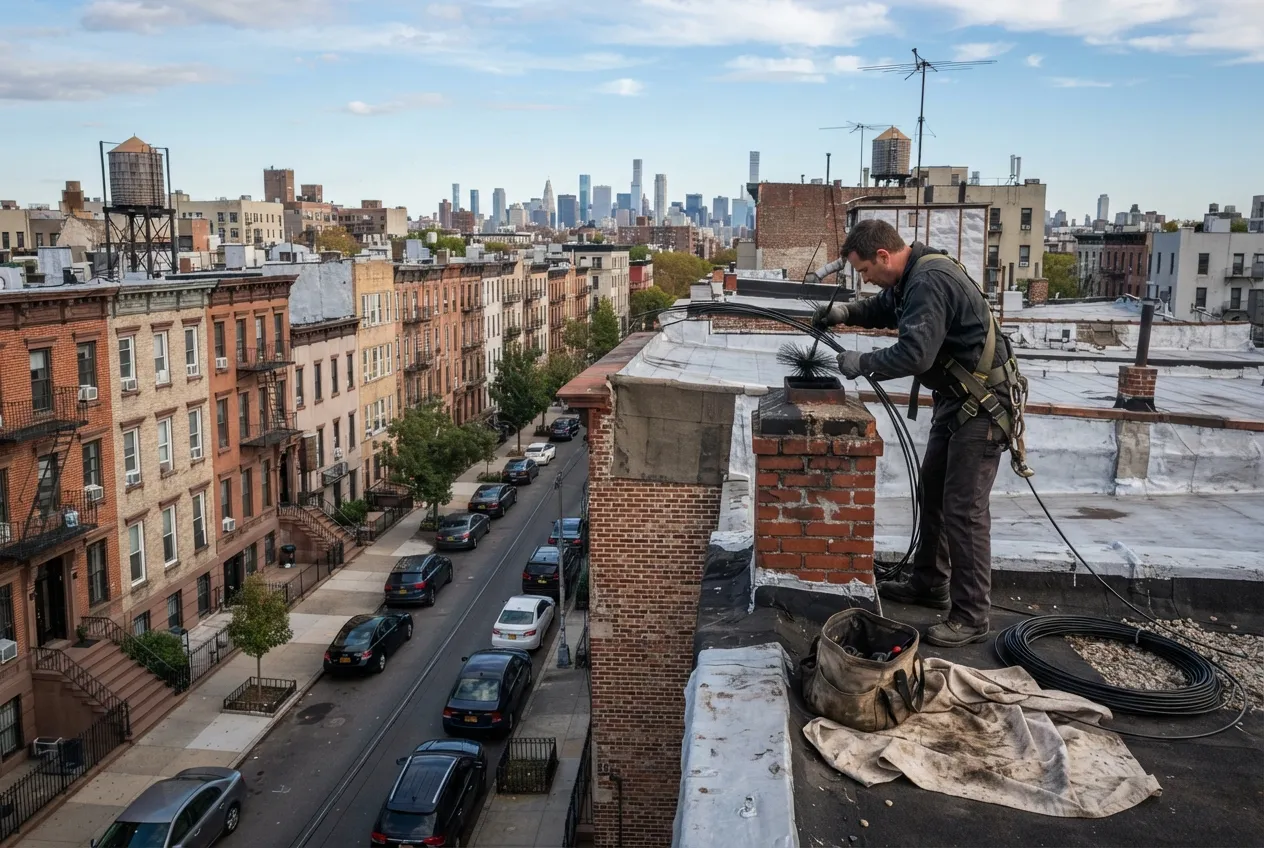
PrimeFlue repairs chimneys in Carnegie Hill brownstones, townhouses and pre-war buildings, from masonry and crowns to flue liners after oil-to-gas boiler conversions. Every repair starts with an inspection matched to your situation, and we schedule work to keep your heat running during the October-to-May heat season.
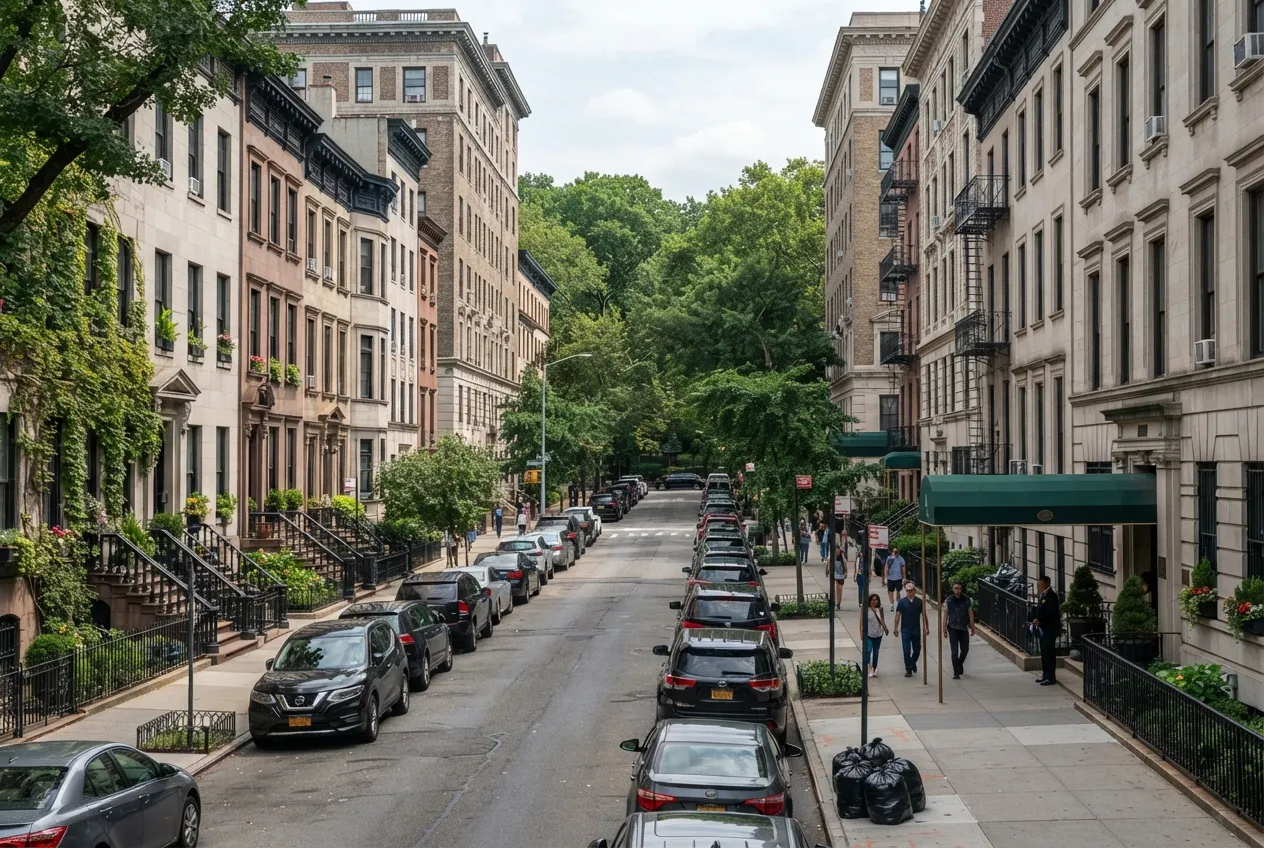
Carnegie Hill's brownstones, townhouses and pre-war apartment buildings were built around masonry chimneys that have been working for generations. Freeze-thaw cycles, decades of heating oil residue, and the acidic condensate from newer gas boilers all wear on brick, mortar and flue liners. PrimeFlue Chimney Services repairs chimneys in Carnegie Hill from our Manhattan office, about a mile away. Our certified technicians find out what is actually wrong, explain it in plain terms, and make the repair so your fireplace, boiler or furnace vents safely.
Chimney Problems We See in Carnegie Hill Homes
Most chimneys in this neighborhood are tall, narrow masonry stacks that rise above a rowhouse roofline or serve several floors of an apartment building. They take the full force of wind, rain and winter freezing, and many serve both a decorative fireplace and a heating system. That combination produces a familiar set of problems.
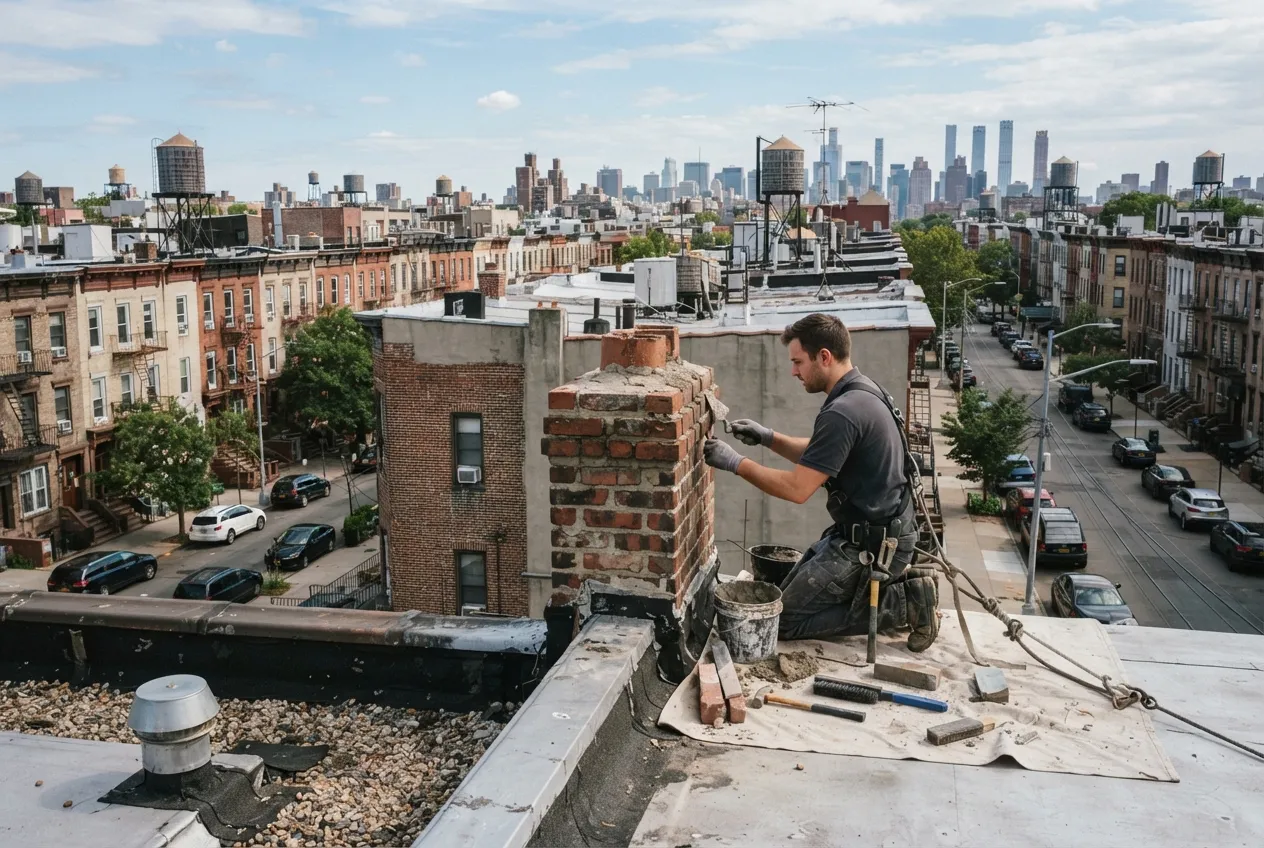
Some of these are cosmetic at first, but water getting into masonry tends to speed up damage. Catching it early usually means a smaller repair.
- Cracked or crumbling mortar joints that let water into the brick
- Spalling brick, where the face of the brick flakes or pops off
- Cracked or missing chimney crowns at the top of the stack
- Failed flashing where the chimney meets the roof, often showing up as a ceiling or wall stain
- Damaged or missing chimney caps that let in rain, debris and birds
- Cracked, deteriorated or mismatched flue liners
- Damaged fireplace dampers, smoke chambers and firebox brick
Starting With the Right Inspection
We don't quote a repair based on a guess from the sidewalk. The NFPA 211 standard calls for chimneys, fireplaces and vents to be inspected once a year, and it describes three inspection levels that tell us how deep to look.
A Level 1 inspection fits when nothing about the system has changed. A Level 2 inspection is called for when the system changes, such as a new boiler or a switch of fuel, or when the home is being sold, and it typically includes a camera look inside the flue. A Level 3 inspection is reserved for cases where a hidden hazard can only be reached by opening part of the chimney or the building. In older Carnegie Hill homes with interior chimneys running through finished walls, we explain exactly why a deeper inspection is needed before recommending one.
Oil-to-Gas Conversions and Flue Liners
Many buildings in Carnegie Hill once heated with oil and have since switched, or are planning to switch, to gas. When a New York City building converts its boiler from oil to gas, the chimney has to be evaluated as part of the work. A new liner is often needed because gas exhaust produces acidic condensate that can corrode an unlined or old masonry flue from the inside.
We inspect the existing flue, check that its size suits the new appliance, and install a properly sized liner when one is required. Coordinating with your heating contractor early keeps the conversion from stalling at the chimney stage.
Time for your annual chimney check?
Timing Repairs Around Heat Season
New York City's heat season runs from October 1 through May 31, when building owners must keep apartments heated to the city's minimum temperatures. For a townhouse owner or a co-op or condo board, a chimney problem that shuts down the boiler in January is far harder to handle than one fixed in July.
Late spring and summer are the best time for masonry rebuilding, crown work and liner installations. If a problem appears mid-winter, we prioritize repairs that let the heating system run safely and schedule larger work for warmer weather when it is safe to do so.
What a Repair Visit Looks Like
Working in a Manhattan brownstone or a pre-war building means protecting finished interiors and coordinating access with neighbors, supers or building management. We plan for that from the start.
- We inspect the chimney and photograph what we find
- We explain the problem, the repair options and what can wait
- We protect floors, furniture and the fireplace opening before work begins
- We coordinate roof or building access with you or your building staff
- We clean up and show you the completed repair
More services in Carnegie Hill
- Chimney Sweep in Carnegie Hill
- Chimney Inspection in Carnegie Hill
- Air Duct Cleaning in Carnegie Hill
- Chimney Liner Installation in Carnegie Hill