The short answer
Chimneys, fireplaces and vents in Carnegie Hill homes should be inspected once a year under the NFPA 211 standard. PrimeFlue's certified technicians perform Level 1, 2 and 3 inspections for brownstones, rowhouses and pre-war apartment buildings, with a deeper review when a system changes, a home is sold, or a boiler converts from oil to gas.
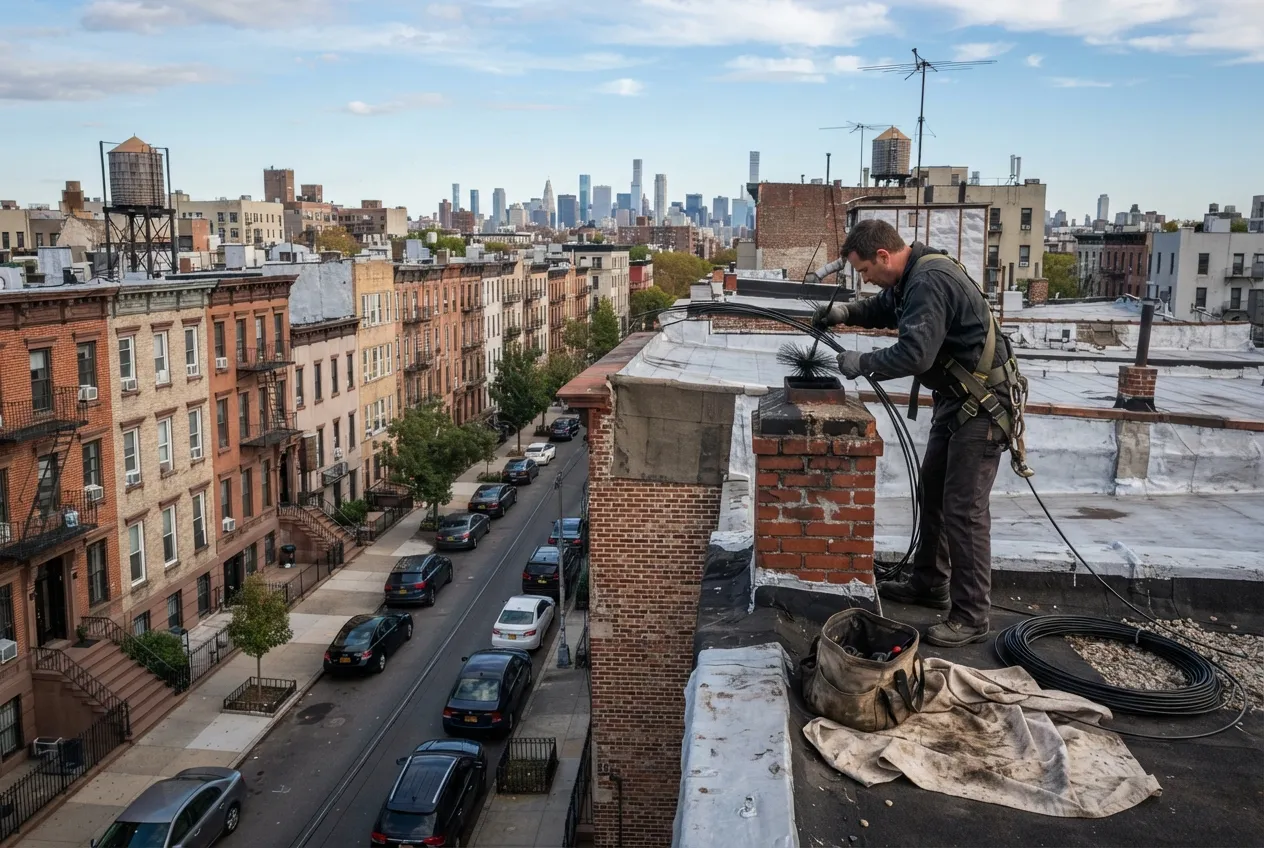
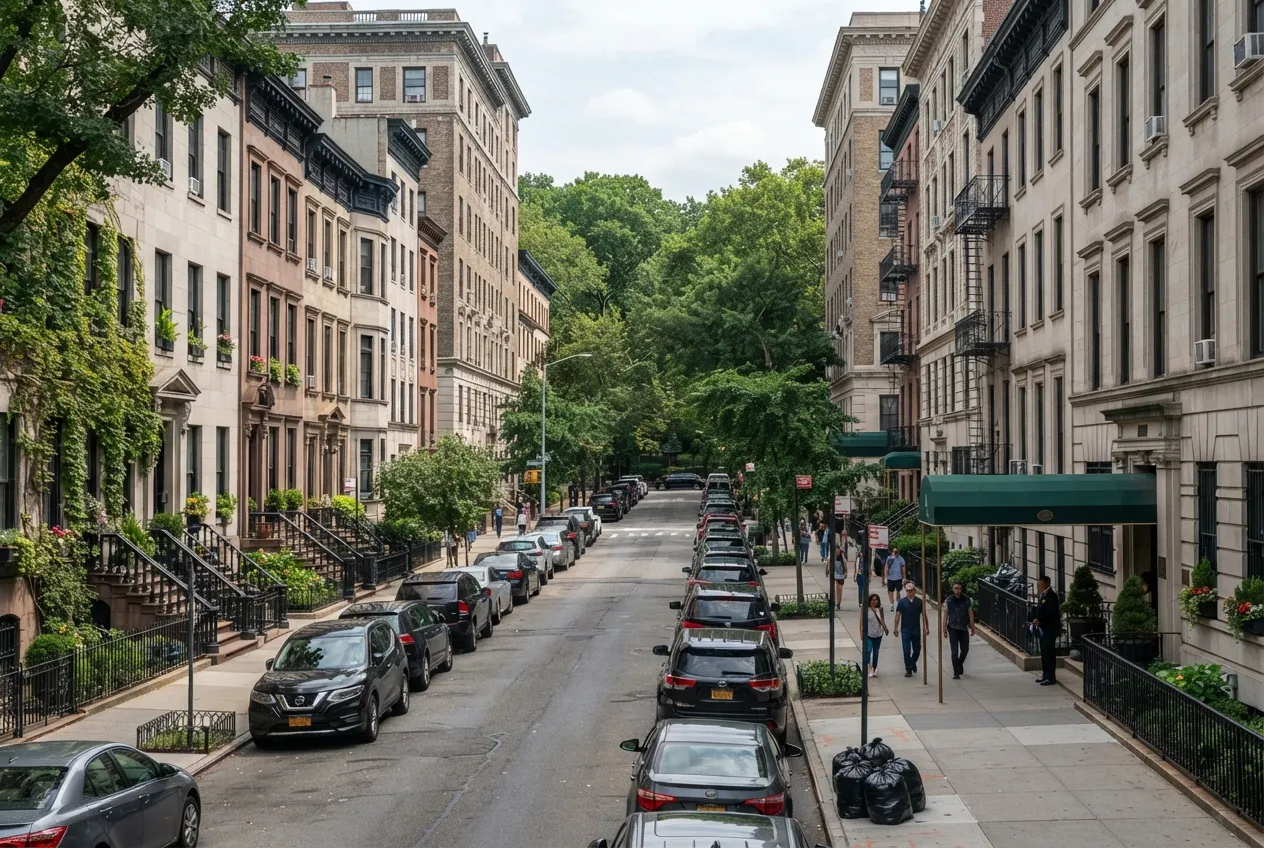
Carnegie Hill is about a mile from our Manhattan office, so PrimeFlue Chimney Services can reach most homes in the neighborhood without a long wait. Much of the housing here is older: brownstones, limestone rowhouses, and pre-war apartment buildings with masonry chimneys built long before today's heating equipment. Many of these flues have served wood fireplaces, coal, oil, and gas over the decades. A chimney inspection tells you what condition your flue is in now, whether it suits the appliance connected to it, and what, if anything, needs attention before you light a fire or run the boiler.
Why Carnegie Hill Chimneys Need a Yearly Check
The NFPA 211 standard calls for chimneys, fireplaces and vents to be inspected once a year. That applies whether you use a fireplace every winter weekend or only run a boiler that vents through the chimney.
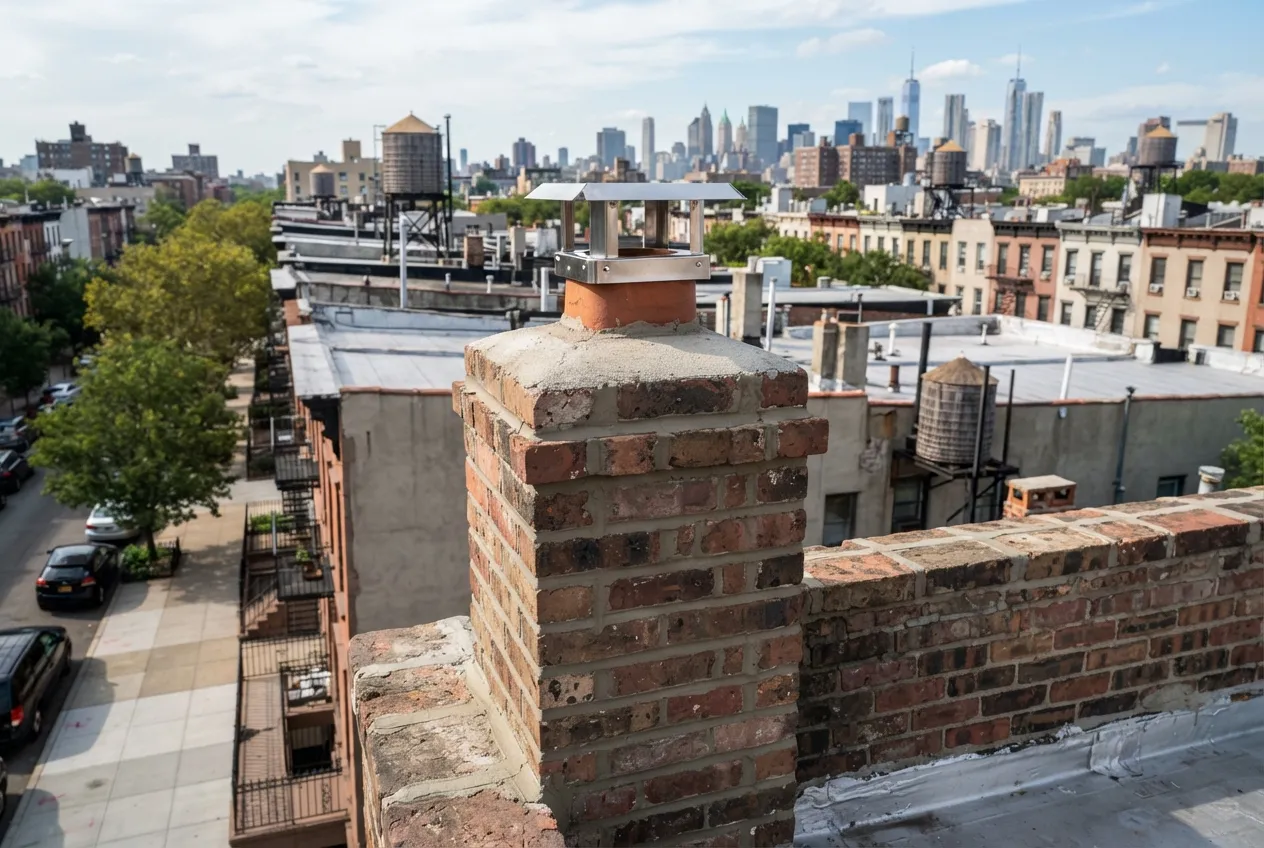
Older masonry flues in this part of Manhattan face a few common issues. Mortar joints wear down over time, clay tile liners can crack or shift, and crowns and caps take a beating from freeze and thaw cycles. In attached rowhouses and brownstones, chimneys often share walls with neighbors, so a small gap in a flue can matter more than it would in a detached house. A yearly inspection catches these problems while they are still small.
The Three Inspection Levels
Chimney professionals use three levels of inspection. Our technicians will explain which one fits your situation before any work starts.
- Level 1: For chimneys where nothing has changed. We check the readily accessible parts of the chimney, the fireplace or appliance connection, and look for blockages, buildup and visible damage.
- Level 2: Called for when the system changes, such as a new appliance or a switch of fuel, or when the home is sold. This includes a closer look at accessible areas, often with a camera run through the flue.
- Level 3: Used when a hidden hazard has to be reached by opening part of the chimney or building. This is less common and is only recommended when the earlier levels point to a concealed problem.
Oil-to-Gas Conversions in Pre-War Buildings
Many brownstones and pre-war buildings in Carnegie Hill were originally heated with oil. When a New York City building converts its boiler from oil to gas, the chimney has to be evaluated as part of the work. A new liner is often needed, because gas exhaust produces acidic condensate that can corrode a masonry flue that was never designed for it.
If you are planning a conversion, or your building has recently gone through one, a Level 2 inspection gives you and your heating contractor a clear picture of the flue. We document what we find so the right liner decision can be made.
Time for your annual chimney check?
Timing Around Heat Season
New York City's heat season runs from October 1 through May 31, when building owners must keep apartments heated to the city's minimum temperatures. For owners of rowhouses and small apartment buildings, that means the boiler and its chimney need to be ready before October.
Scheduling your inspection in late spring or summer gives you time to handle any repairs without pressure. If you have a wood-burning fireplace, an inspection before the first cool evenings of fall is a sensible habit.
What to Expect From a PrimeFlue Visit
Our certified technicians protect floors and furniture around the fireplace or boiler room, then examine the firebox, damper, smoke chamber, flue, and, where it is safe and accessible, the exterior chimney and crown. In apartment buildings, we coordinate roof and basement access with the superintendent or management.
Afterward, we walk you through what we saw, share photos when they help, and explain any recommended repairs in plain terms. If everything looks sound, we tell you that too. We also serve nearby homes in the Upper East Side, Yorkville, Lenox Hill, Roosevelt Island, and East Midtown.
More services in Carnegie Hill
- Chimney Sweep in Carnegie Hill
- Chimney Repair in Carnegie Hill
- Air Duct Cleaning in Carnegie Hill
- Chimney Liner Installation in Carnegie Hill