The short answer
Most Upper East Side chimney repairs involve water damage to older masonry, failed flashing, or flue liners that no longer fit the heating system, especially after an oil-to-gas conversion. PrimeFlue inspects the chimney first, shows you what's wrong, and schedules the work so your heat isn't disrupted when you need it.
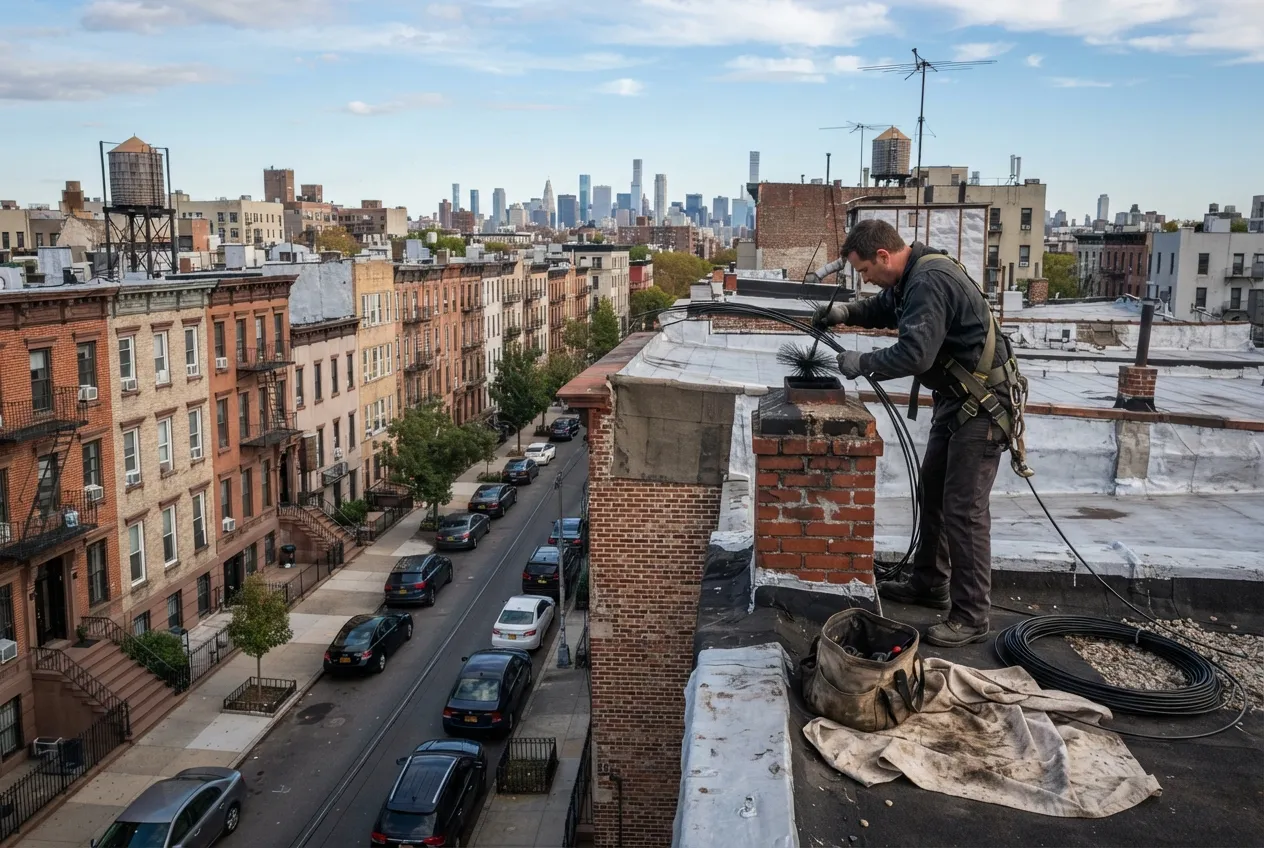
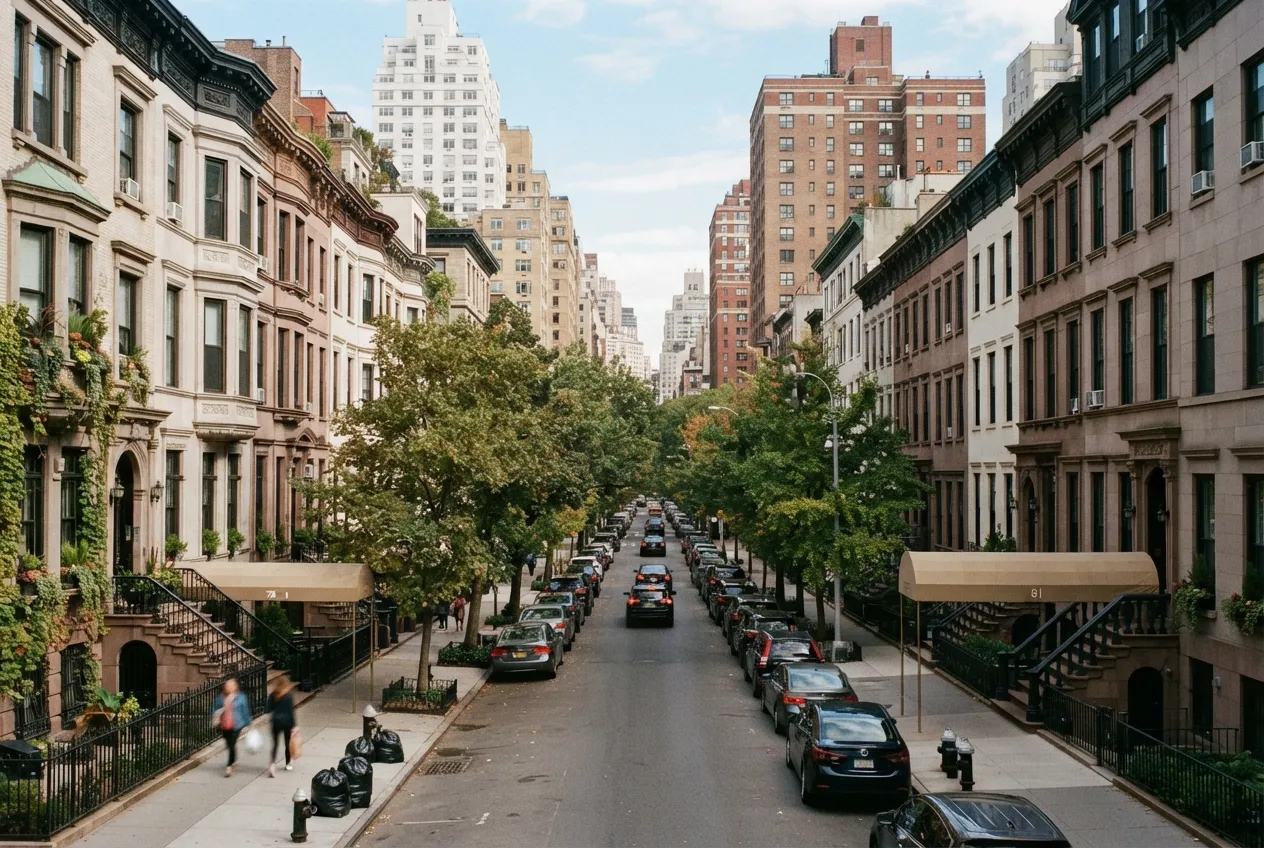
Chimneys on the Upper East Side have been through many New York winters. Most were built for coal or oil, and many have since been converted to gas. That history shows up as cracked crowns, worn mortar, leaking flashing and flue liners that no longer suit the appliance they serve. PrimeFlue Chimney Services works from our office at 18 E 75th St, so we're close to the brownstones, rowhouses, townhouses and pre-war apartment buildings across ZIP codes 10021, 10028, 10044, 10065, 10075, 10128 and 10162. We also handle repairs in Carnegie Hill, Lenox Hill, Roosevelt Island, Yorkville and East Midtown. Our certified technicians find the actual cause of the problem, explain it in plain terms, and repair what needs repairing.
What Usually Needs Repair on Upper East Side Chimneys
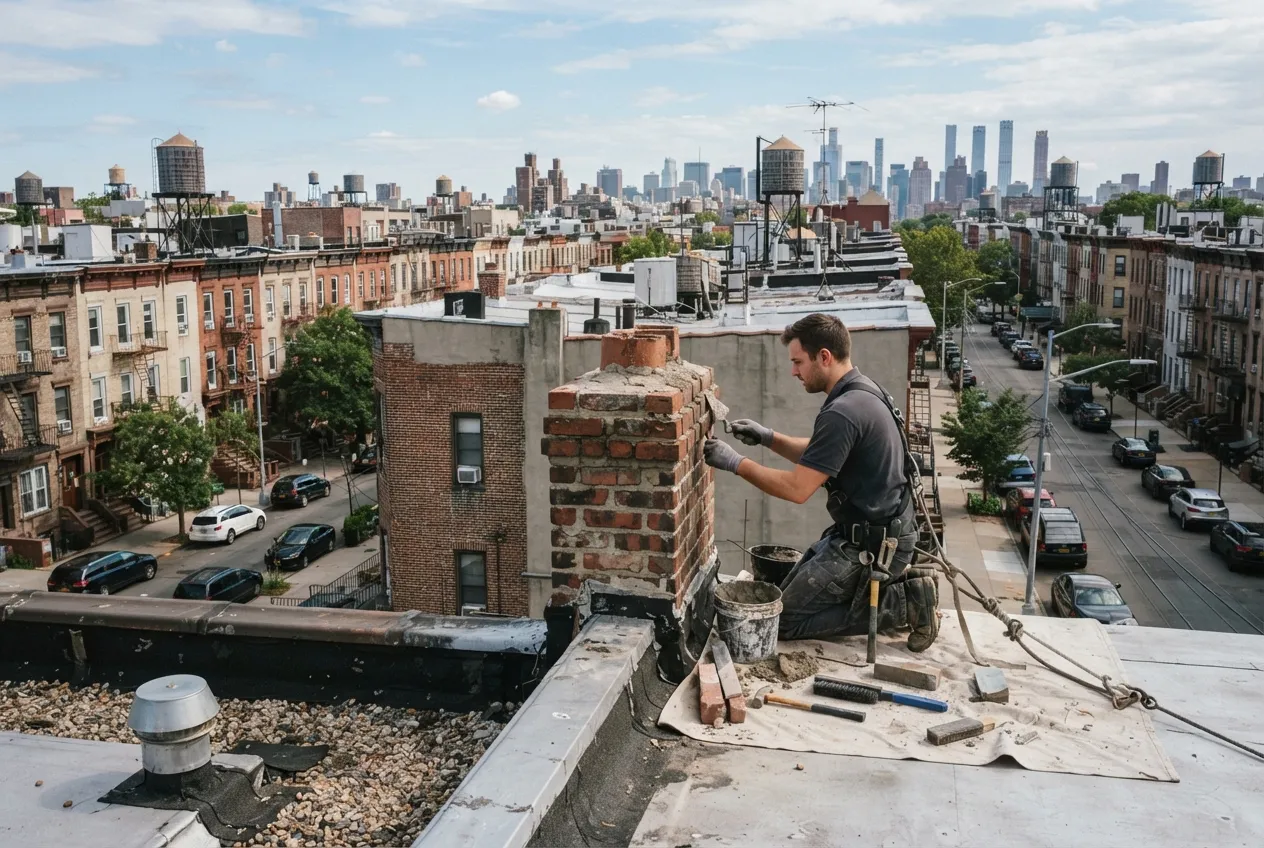
Older Manhattan masonry fails in predictable ways. Water gets into brick and mortar, freezes, expands and slowly opens gaps. A small crack in a crown or one missing mortar joint can let in enough water to stain a ceiling several floors below. On rowhouses and brownstones with shared walls, a leak can also travel sideways before it shows up.
These are the repairs we handle most often in the neighborhood:
- Cracked or crumbling chimney crowns that let rain into the top of the flue
- Repointing of eroded mortar joints and replacing spalled or broken brick
- Resealing or replacing flashing where the chimney meets a flat or pitched roof
- Repairs to cracked clay tile flue liners and installation of new liners
- Rebuilding deteriorated smoke chambers and fireboxes in wood-burning fireplaces
- Replacing rusted dampers and adding chimney caps to keep out water, birds and debris
Oil-to-Gas Conversions and Chimney Relining
Many buildings in this part of Manhattan have switched their boilers from oil to gas. When a New York City building makes that conversion, the chimney must be evaluated as part of the job. A new liner is often needed, because gas exhaust produces acidic condensate that can corrode a masonry flue over time.
If your building has converted or is planning to, we can inspect the flue and tell you whether the existing liner can stay. If it can't, we'll explain which type of liner fits the new appliance. Relining protects the masonry and helps the exhaust vent the way it's designed to.
Scheduling Repairs Around Heat Season
New York City's heat season runs from October 1 through May 31. During that period, building owners must keep apartments heated to the city's minimum temperatures. For a building that relies on one boiler chimney, that makes timing important.
Late spring and summer are usually the easiest times for major work such as relining or rebuilding a crown. If a problem turns up during the heating months, we'll tell you whether the system is safe to keep running and plan the repair to keep downtime as short as possible.
Time for your annual chimney check?
How a Repair Visit Works
Every repair begins with an inspection, because the visible damage is often not where the problem started. The NFPA 211 standard calls for chimneys, fireplaces and vents to be inspected once a year. Chimney professionals use three inspection levels. Level 1 is for systems where nothing has changed. Level 2 is for times when the system changes, such as a new appliance or a fuel switch, or when the home is sold. Level 3 is for cases where a hidden hazard can only be reached by opening part of the chimney or building.
After the inspection, we walk you through what we found, often with photos, and describe the repair in plain language. Then we schedule the work.
Working in Brownstones and Pre-War Buildings
Repairing a chimney in a dense Manhattan neighborhood takes some planning. Many jobs require roof access through a building, so we coordinate with supers, managing agents and co-op or condo boards as needed. Inside, we cover floors and furniture and keep the work area contained. In townhouses with several fireplaces, we check each flue separately. One chimney stack often holds several flues, and they may not all be in the same condition.
More services in Upper East Side
- Chimney Sweep in Upper East Side
- Chimney Inspection in Upper East Side
- Air Duct Cleaning in Upper East Side
- Chimney Liner Installation in Upper East Side