The short answer
Upper East Side chimneys often need a new liner when the old clay tile is cracked or missing, when it doesn't match a new appliance, or during an oil-to-gas boiler conversion. PrimeFlue's certified technicians inspect the flue, recommend the right liner, and install it from our office on East 75th Street.
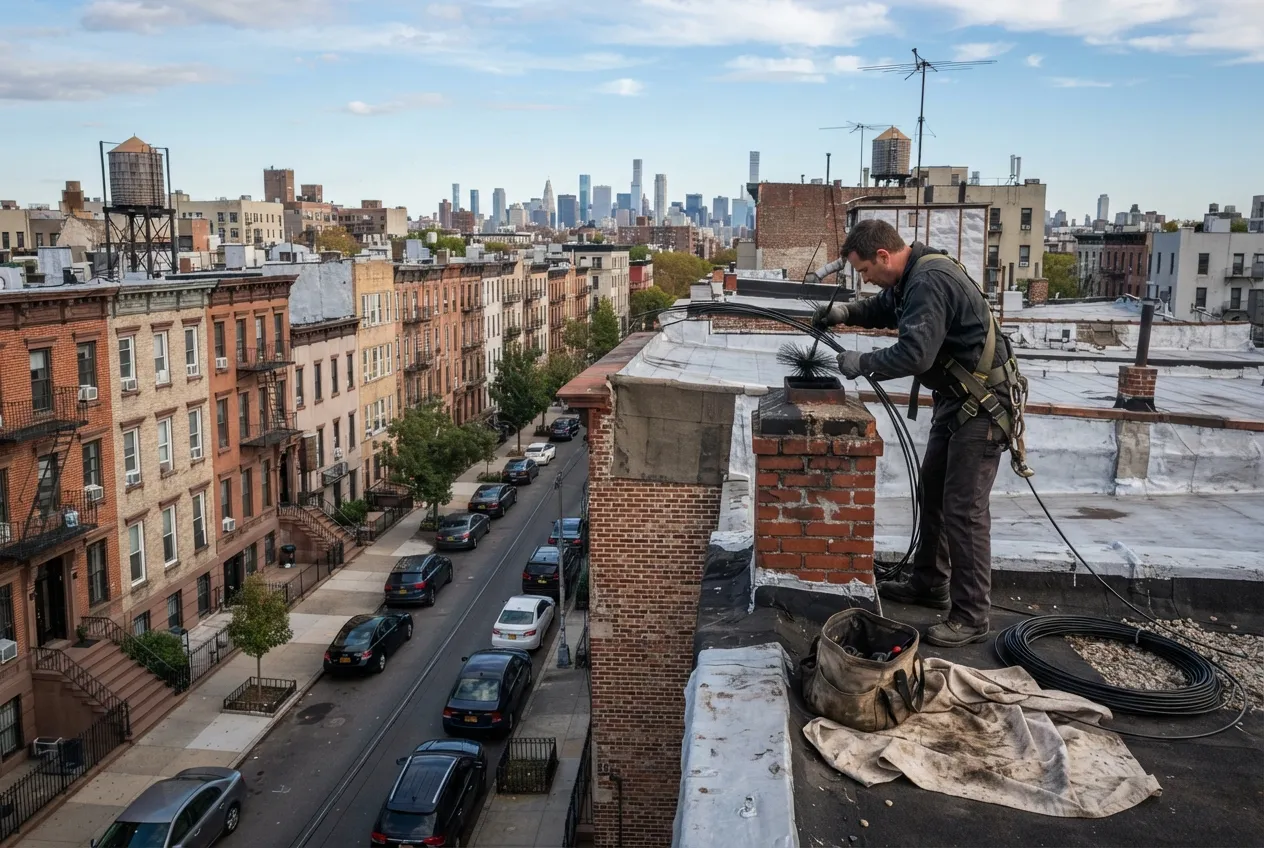
Many homes on the Upper East Side were built with masonry chimneys long before modern boilers, water heaters and fireplace inserts existed. The flue liner keeps hot exhaust and corrosive byproducts away from the surrounding brick and mortar, whether the building is a brownstone, a rowhouse or a pre-war apartment building. When that liner is cracked, missing or wrong for the appliance it serves, the chimney needs to be relined. PrimeFlue Chimney Services works out of our office at 18 E 75th St. Our certified technicians install chimney liners throughout the neighborhood and the surrounding area.
What a Liner Does and Signs Yours Needs Attention
A chimney liner is the inner channel that carries smoke and combustion gases up and out of the house. Over decades, clay tile liners can crack from heat, shift out of alignment, or wear away at the joints. Some older chimneys were built with no liner at all. A damaged liner can let heat reach nearby framing and allow exhaust to seep into living spaces. Watch for these signs:
- Flakes of tile or crumbling mortar collecting at the base of the flue
- Staining, damp patches or white deposits on walls next to the chimney
- A fireplace that smokes into the room or drafts slowly
- An inspection report that notes gaps, cracks or missing liner sections
- A new appliance that is a different size or uses a different fuel than the original
Oil-to-Gas Conversions in Manhattan Buildings
Many Upper East Side buildings have already switched, or plan to switch, from oil heat to gas. In New York City, the chimney has to be evaluated as part of any boiler conversion from oil to gas, and a new liner is often needed. Gas exhaust produces acidic condensate. When that moisture sits against an unlined or tile-lined masonry flue, it can corrode the chimney from the inside.
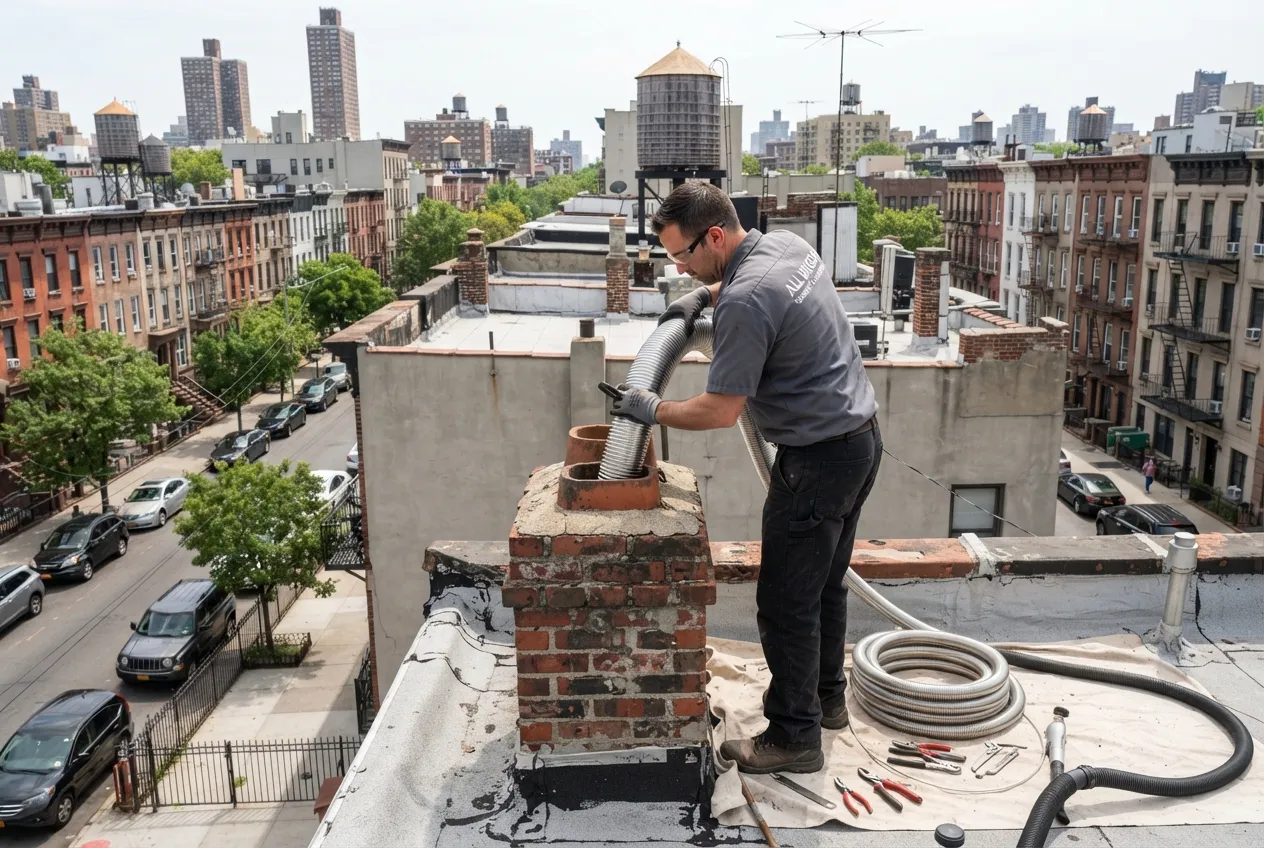
We work with owners, property managers and boiler contractors throughout the conversion. We evaluate the existing flue, confirm the liner size the new equipment needs, and install the liner so the chimney is ready when the burner work is finished. Planning the chimney portion early helps keep the whole conversion on schedule.
Liner Options We Install
The right liner depends on the appliance, the fuel, the shape of the flue and how much room there is inside it. After inspecting the chimney, we explain which option fits your building and why.
- Stainless steel liners for gas and oil appliances and many wood-burning fireplaces and inserts
- Insulated stainless liners where clearance to wood framing or draft performance is a concern
- Cast-in-place liners that form a new, smooth flue inside an irregular or deteriorated masonry chimney
- Partial or full relining of damaged clay tile flues
Time for your annual chimney check?
How an Installation Works
Liner work in a dense neighborhood takes planning. Roof access, building staff, neighbors and shared party walls all affect the job. We keep you informed at each step:
- We inspect the flue, often with a camera, to measure it and locate damage.
- We give you a written explanation of what we found and the liner we recommend.
- We schedule the work around roof access and any building requirements.
- We clean the flue before the liner goes in.
- We install the liner, connect it to the appliance and seal the top of the chimney.
- We do a final check of the connection and draft and give you photos for your records.
Timing, Heat Season and Yearly Inspections
New York City's heat season runs from October 1 through May 31. During that period, building owners must keep apartments heated to the city's minimum temperatures. For buildings that depend on a boiler, liner work is easiest to schedule in late spring and summer, before the system has to run.
The NFPA 211 standard calls for chimneys, fireplaces and vents to be inspected once a year. A Level 2 inspection applies when you change an appliance, switch fuel or sell a home, and these are common points where liner problems first come to light. A Level 3 inspection is used when a hidden hazard can only be reached by opening part of the chimney or building.
Serving the Upper East Side and Nearby Neighborhoods
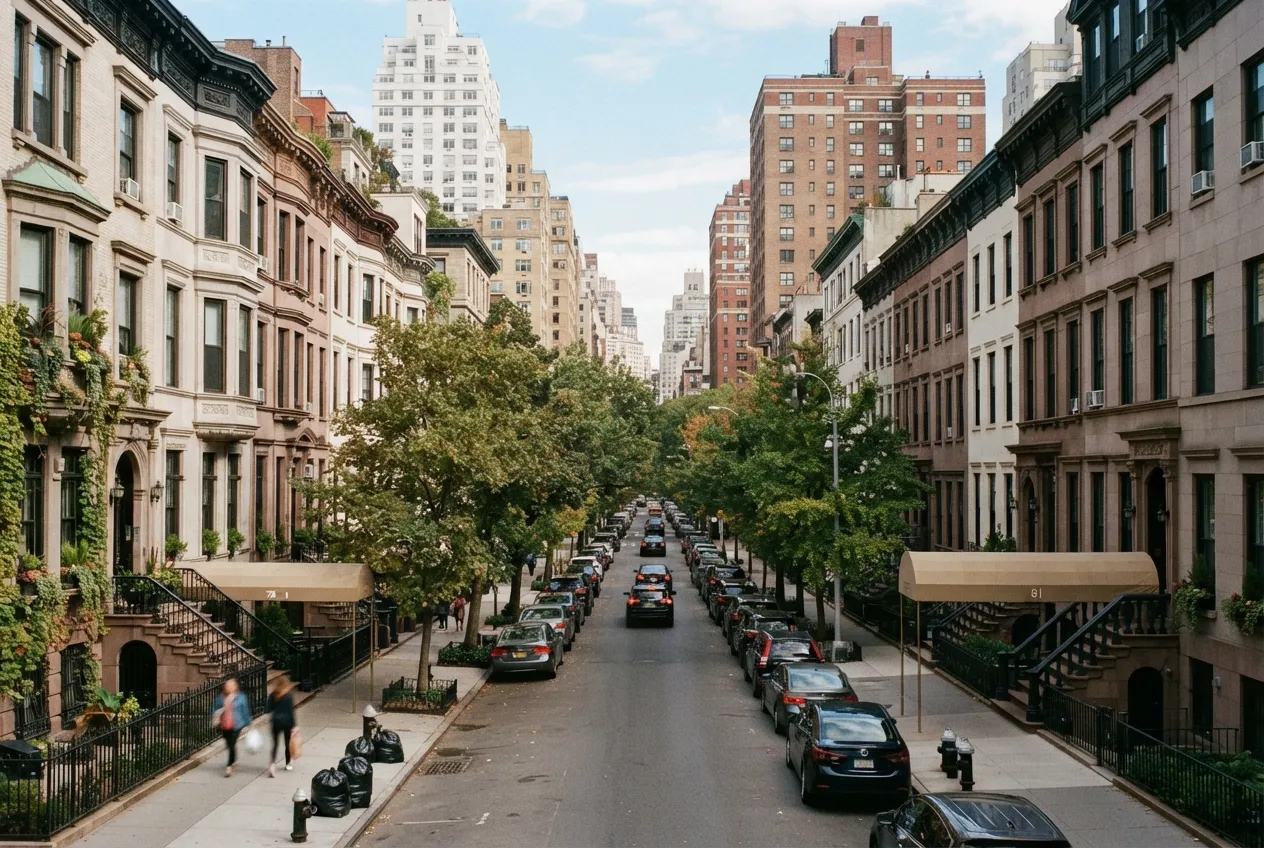
We install chimney liners across the Upper East Side, including ZIP codes 10021, 10028, 10044, 10065, 10075, 10128 and 10162. Our office is in the neighborhood, and we also serve Carnegie Hill, Lenox Hill, Roosevelt Island, Yorkville and East Midtown.
More services in Upper East Side
- Chimney Sweep in Upper East Side
- Chimney Inspection in Upper East Side
- Chimney Repair in Upper East Side
- Air Duct Cleaning in Upper East Side