The short answer
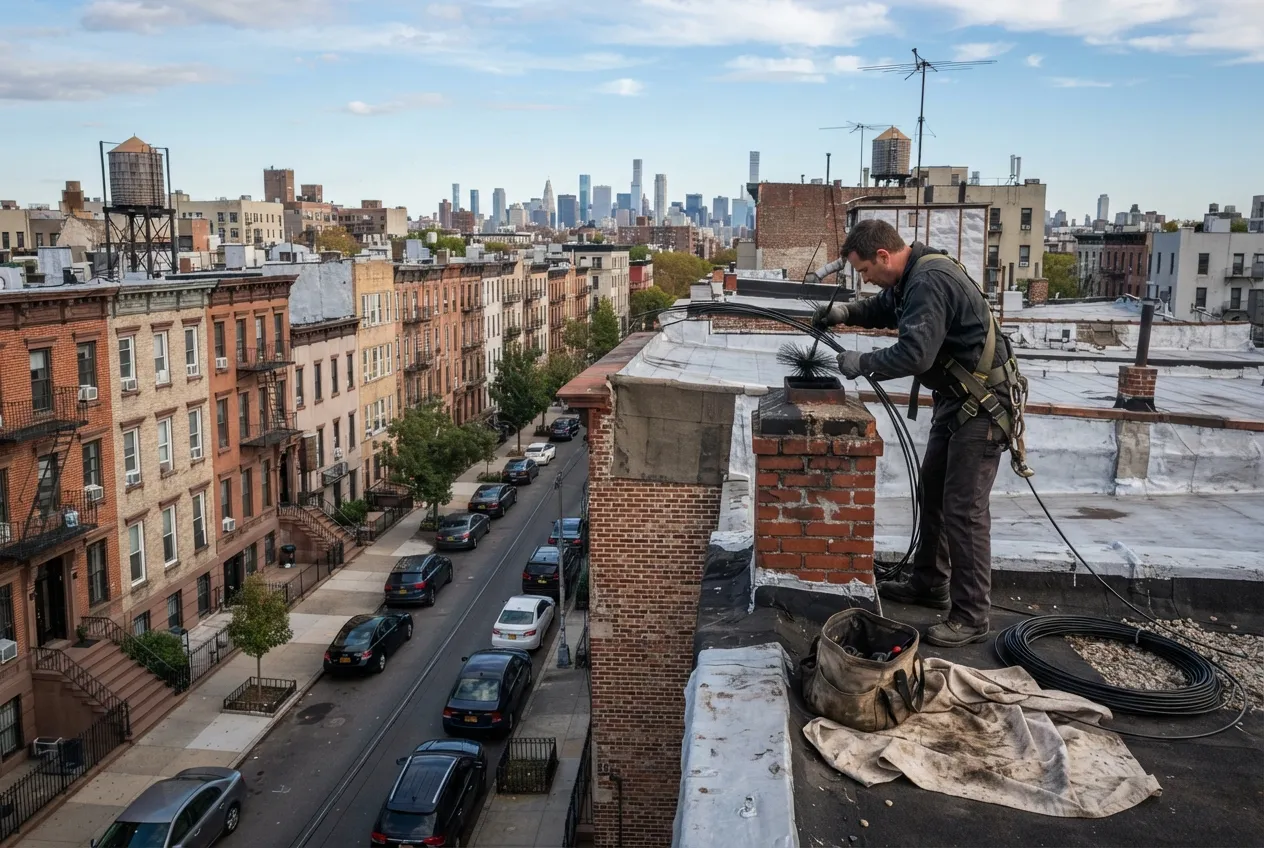
Air duct cleaning is worth it when you can see substantial mold growth, signs of vermin, or heavy dust and debris in the ducts, which is the standard the U.S. EPA uses. PrimeFlue inspects Upper East Side brownstones, townhouses and apartments from our office on East 75th Street, cleans the system with mechanical tools and HEPA-filtered negative air, and does not push chemical treatments.
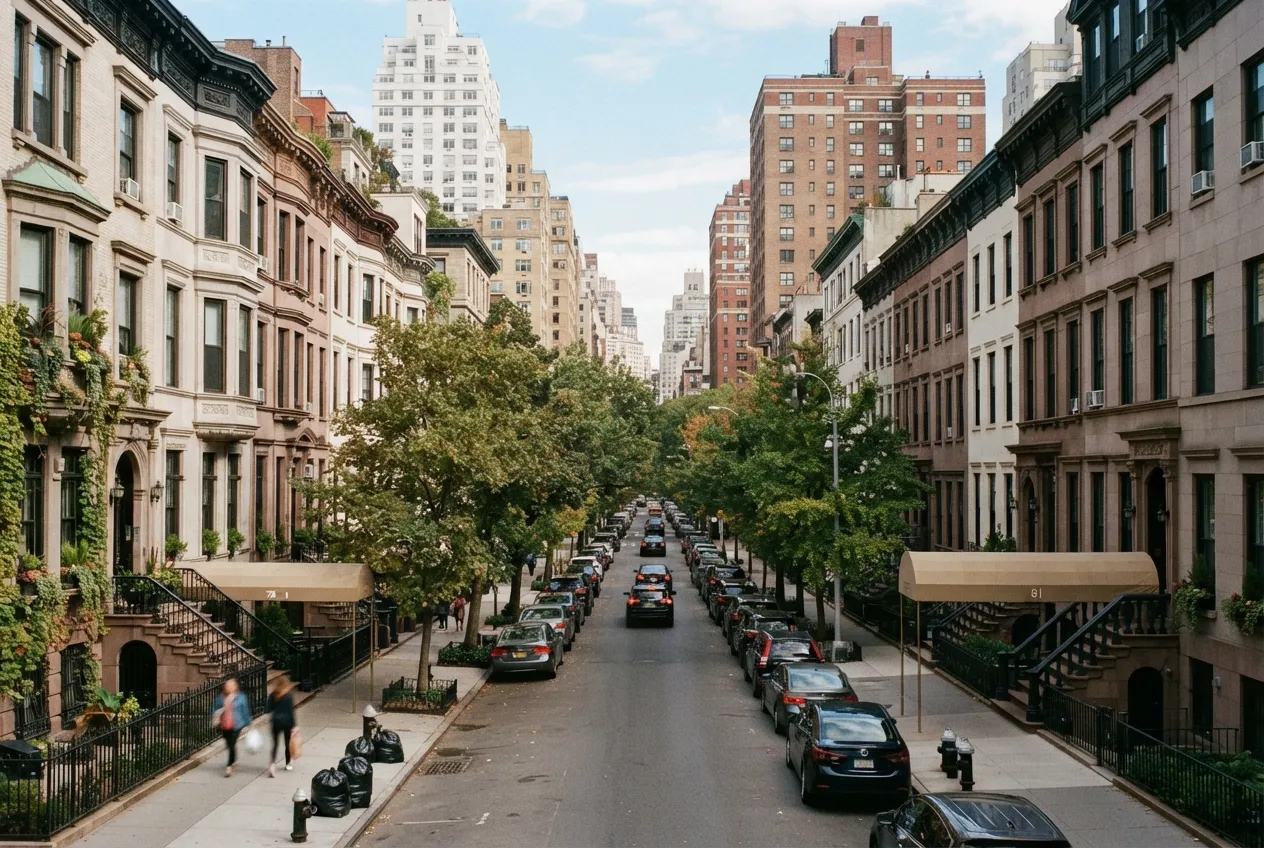
Upper East Side homes range from brownstones and townhouses with ducted central air added during renovations to pre-war and postwar apartments with their own air handlers. Each setup collects dust, construction debris and sometimes worse in different places. PrimeFlue Chimney Services works out of our office at 18 E 75th St, so a visit here is local for us. Our certified technicians look first and recommend cleaning only when your ducts actually need it. Below is how we decide, what we do in the kinds of homes found in this neighborhood, and how to plan around building rules and the heating season.
When Duct Cleaning Makes Sense
The U.S. EPA advises cleaning air ducts when there is substantial visible mold growth, evidence of vermin, or excessive dust and debris in the system. The EPA also notes that duct cleaning has not been shown to prevent health problems. We think homeowners should hear that up front. Clean ducts are a reasonable maintenance goal, but they are not a medical treatment.
These are the situations where we most often find a real reason to clean on the Upper East Side:
- After a gut renovation or kitchen or bath remodel, when plaster dust and drywall debris got into returns that were left open
- When dust blows out of supply registers each time the system starts
- When you find mouse droppings, nesting material or insect activity near the air handler or inside duct runs
- When you can see mold on duct surfaces, coils or the drain pan, after the moisture source has been fixed
- When you move into a townhouse or apartment and the previous owner's maintenance history is unknown
How Ductwork Varies Across Upper East Side Homes
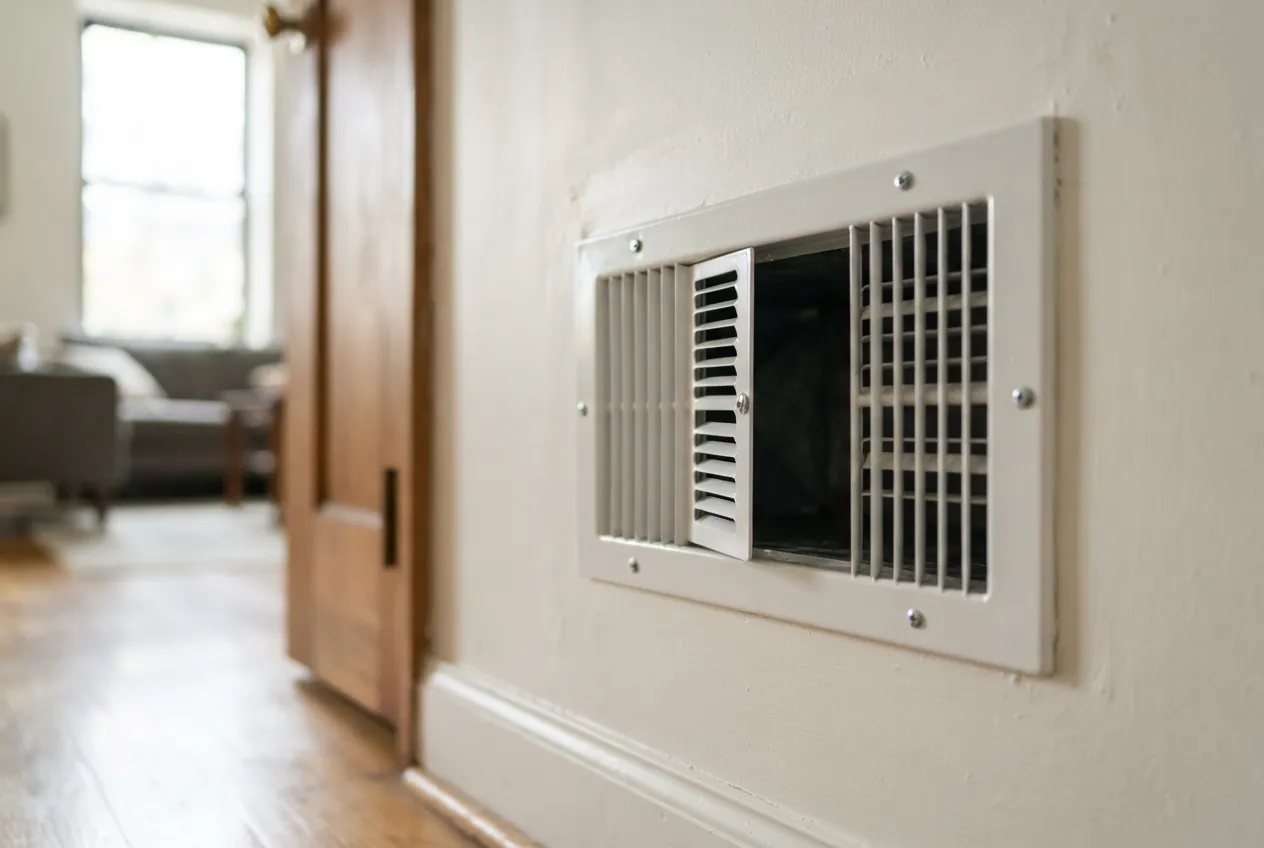
Brownstones and rowhouses were built long before central air. Their ducts were added later, often threaded through closets, dropped ceilings, or attic and cellar spaces. That means many bends, flexible duct sections and long horizontal runs where debris settles. We map the layout before we start so every branch gets reached, including the top-floor runs that are easy to miss.
In pre-war and postwar apartment buildings, the ductwork usually serves a single unit. The air handler often sits in a closet or above a hallway ceiling. Space is tight, so we bring compact equipment and protect floors, furniture and finished millwork along the path from the door to the unit. On Roosevelt Island and in the newer high-rises east of First Avenue, we often find ducted fan coil systems where the coil and drain pan need as much attention as the ducts themselves.
What Happens During a PrimeFlue Visit
We start with an inspection. A technician removes registers, looks inside accessible duct sections with a camera, and checks the blower, coil and filter. If the ducts are in reasonable shape, we will tell you so and suggest a filter schedule instead of a full cleaning.
When cleaning is warranted, the work follows a set order:
- Connect HEPA-filtered negative air equipment so loosened debris is pulled out of the system instead of into your rooms
- Agitate every supply and return run with rotary brushes and air whips sized to the duct
- Clean registers, grilles and the blower compartment, and check the coil and drain pan for buildup
- Seal access openings properly and install a fresh filter
- Walk you through camera footage before and after, so you can see what was removed
Time for your annual chimney check?
Chemical Treatments and Advertised Specials
The EPA cautions consumers about chemical biocides and sealants used inside ducts. It also advises researching the process before responding to very cheap advertised offers. We do not apply chemical treatments as a routine add-on. If mold is present, the first step is finding and fixing the moisture that caused it, often a clogged condensate line or a leaking pan. Then we remove the growth mechanically. If you are comparing quotes, ask each company to explain exactly which components they will clean and how they will contain the debris.
Planning Around the Heat Season and Building Rules
New York City's heat season runs from October 1 through May 31. Townhouses with ducted forced-air heat run their systems hard during those months, and apartments with heat pump or fan coil systems do the same. Booking an inspection in late summer or early fall lets you start the heating months with a clean system. Cleaning in late spring works the same way before air conditioning season.
Many apartment buildings set rules about contractor access, insurance paperwork, elevator reservations and work hours. Check with your managing agent or superintendent before you book. We will schedule around whatever the building requires. If your laundry is in the unit, we can also inspect the dryer vent during the same visit. The U.S. Fire Administration identifies failure to clean as the leading factor in home clothes dryer fires.
Neighborhoods and ZIP Codes We Serve
Our office is at 18 E 75th St, and we handle air duct cleaning throughout the Upper East Side, including ZIP codes 10021, 10028, 10044, 10065, 10075, 10128 and 10162. We also work in the nearby neighborhoods of Carnegie Hill, Lenox Hill, Roosevelt Island, Yorkville and East Midtown. Being close by makes it easier to fit an inspection around building access windows and your schedule.
More services in Upper East Side
- Chimney Sweep in Upper East Side
- Chimney Inspection in Upper East Side
- Chimney Repair in Upper East Side
- Chimney Liner Installation in Upper East Side