The short answer
Roosevelt Island buildings usually need a new chimney liner when the existing one is cracked or deteriorated, when a boiler is converted from oil to gas, or when a new appliance needs a flue sized to it. PrimeFlue inspects the flue first, sizes the liner to the appliance, and installs it with an inspection before and after the work.
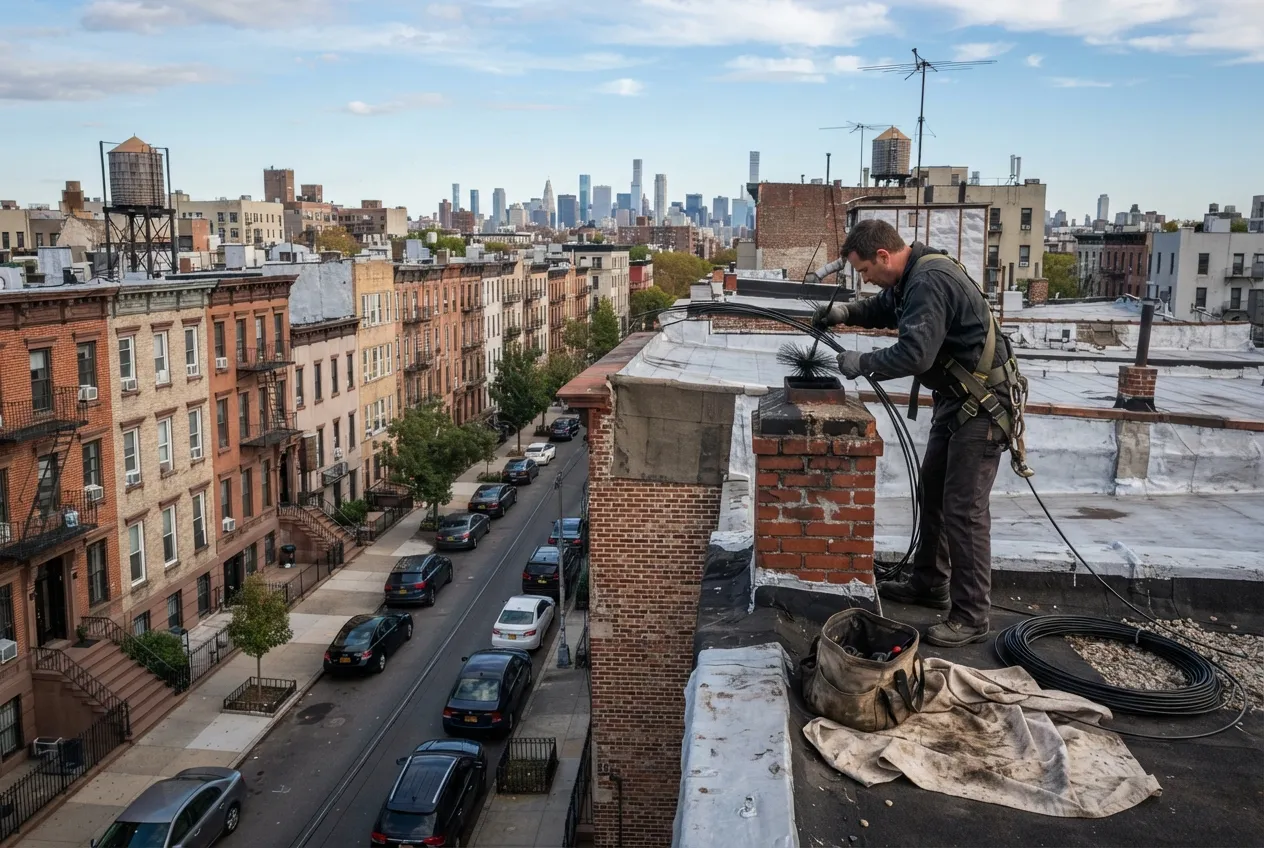
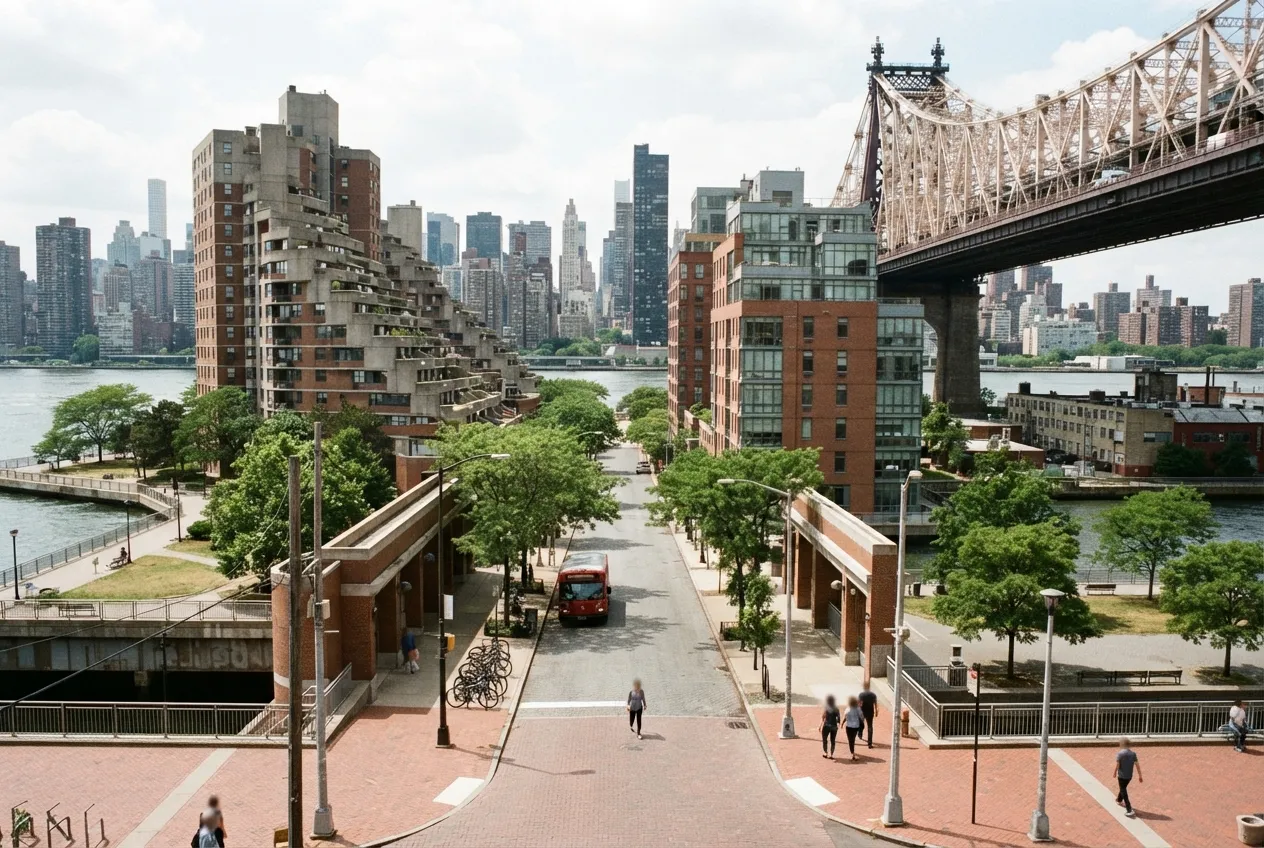
A chimney liner is the protective channel inside your flue. It carries smoke and exhaust gases out of the building and keeps heat and corrosive byproducts away from the surrounding masonry and framing. On Roosevelt Island, most homes are apartments in mid-rise and high-rise residential buildings, along with some co-op and condo units and building-wide heating systems. A cracked, missing or wrong-sized liner can affect a single fireplace or a central boiler serving many households. PrimeFlue Chimney Services installs and replaces chimney liners for Roosevelt Island owners, boards and building managers from our Manhattan office on East 75th Street.
When a Roosevelt Island Chimney Needs a New Liner
Liners rarely fail all at once. In apartment buildings, problems usually show up during an inspection, a boiler service visit, or a change to the heating system. In individual units with a fireplace, owners sometimes notice signs inside the firebox or in the flue itself.
These are the most common reasons we recommend a new or replacement liner:
- Cracked, spalling or missing clay tile sections found during an inspection
- Masonry damage from acidic condensate, such as crumbling mortar or flaking brick inside the flue
- A boiler or water heater switched from oil to gas
- A new appliance whose exhaust needs a flue of a different size
- A flue that drafts poorly, so smoke or odors come back into the living space
- Damage after a chimney fire, even a small one
Oil-to-Gas Conversions and Your Chimney
Many New York City buildings have converted, or are planning to convert, from heating oil to natural gas. When a building's boiler is converted from oil to gas, the chimney has to be evaluated as part of the job. A new liner is often needed. Gas exhaust produces acidic condensate that can corrode a masonry flue that handled oil for years without trouble.
For Roosevelt Island boards and managers, the conversion is a good time to look at the whole venting system rather than only the boiler. We inspect the existing flue, report on its condition, and recommend a liner sized for the new equipment. That way your heating contractor and your venting plan are working from the same information.
How We Install a Chimney Liner
Every job starts with the flue as it actually is, not as the building plans say it should be. The steps generally follow this order:
- Inspect the chimney, including a camera look at the full length of the flue
- Confirm which appliances vent into it and how much exhaust they produce
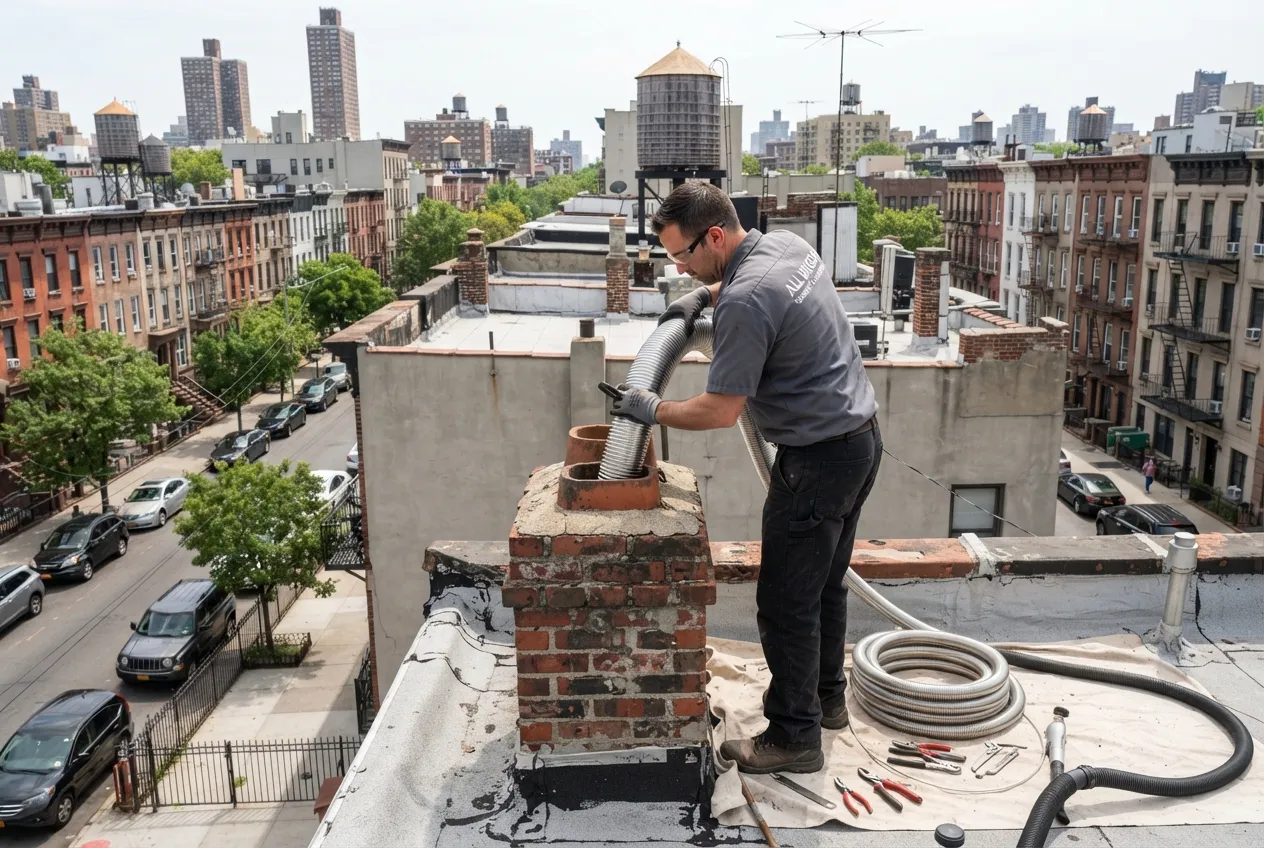
- Recommend a liner type and size, often stainless steel for gas and oil appliances
- Clean the flue and clear any debris or obstructions before installation
- Install the liner, connections and cap, and insulate where the system calls for it
- Check draft and connections, then document the finished work for your records
Time for your annual chimney check?
Planning Around New York City's Heat Season
New York City's heat season runs from October 1 through May 31. During those months, building owners must keep apartments heated to the city's minimum temperatures. A boiler flue can't simply go out of service for days in January.
For buildings with central heat, we recommend scheduling liner work in late spring or summer whenever possible. If an inspection turns up a problem during the heating months, we'll talk through the options with your super or management. That includes how to sequence the work so heat interruptions stay as short as possible.
Inspection After Installation and Every Year After
The NFPA 211 standard calls for chimneys, fireplaces and vents to be inspected once a year. Chimney professionals use three inspection levels. A Level 1 inspection fits when nothing has changed. A Level 2 inspection applies when the system changes, such as a new appliance or a switch of fuel, or when the home is sold. A Level 3 inspection is used when a hidden hazard has to be reached by opening part of the chimney or building.
A new liner or a fuel conversion counts as a change to the system, so it calls for a Level 2 inspection. If you're selling or buying an apartment with a working fireplace on Roosevelt Island, a Level 2 inspection is also the right step. Our certified technicians will explain what they found and what, if anything, needs attention.
Serving Roosevelt Island and Nearby East Side Neighborhoods
We install chimney liners throughout Roosevelt Island and the surrounding Manhattan ZIP codes 10021, 10044, 10065, 10075 and 10162. We also work in Lenox Hill, the Upper East Side, Carnegie Hill, Yorkville and East Midtown. That area covers brownstones, rowhouses and pre-war apartment buildings as well as newer residential towers.
More services in Roosevelt Island
- Chimney Sweep in Roosevelt Island
- Chimney Inspection in Roosevelt Island
- Chimney Repair in Roosevelt Island
- Air Duct Cleaning in Roosevelt Island