The short answer
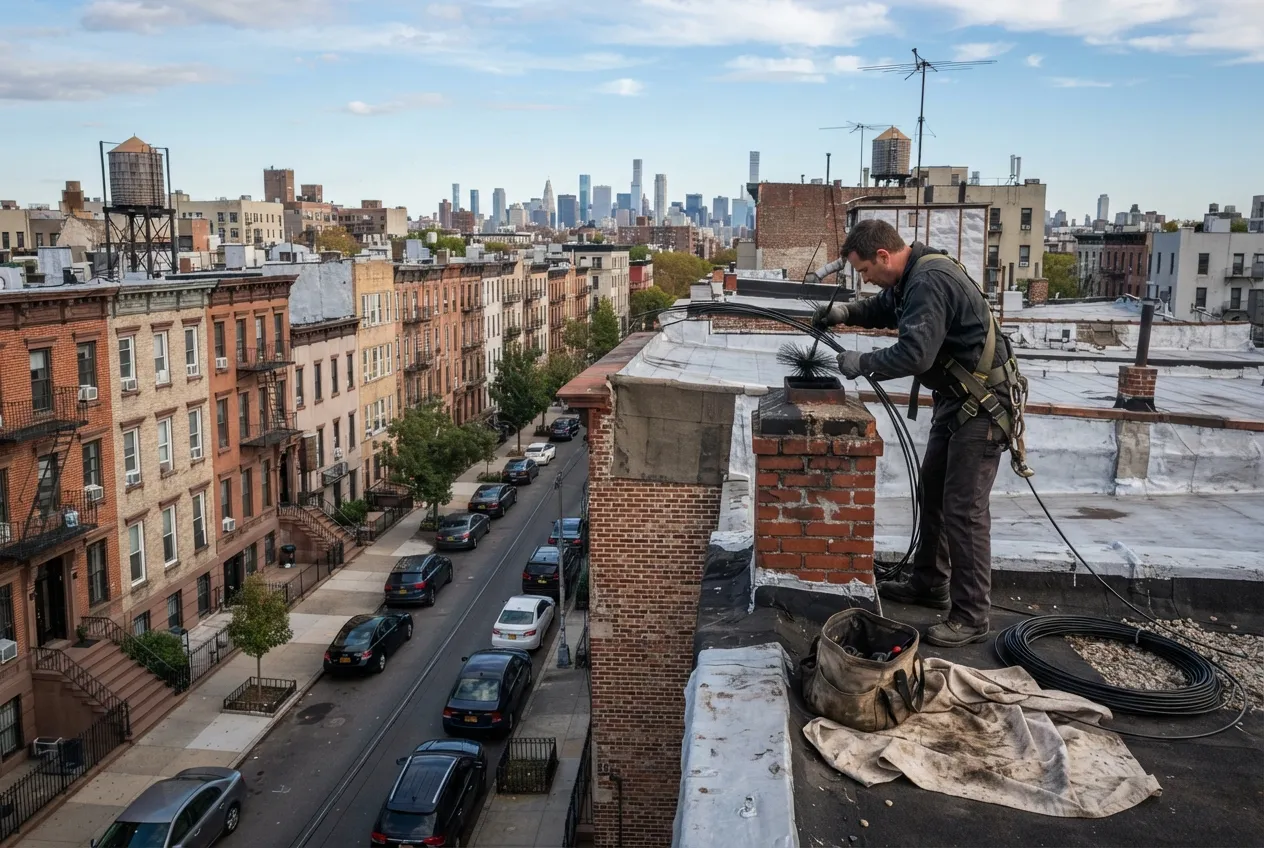
Chimney repair in Dutch Kills usually means fixing worn mortar and brick, cracked crowns, leaking flashing, or damaged flue liners on older rowhouses and multi-family buildings. We inspect first, explain what we find, and repair only what the chimney needs. Scheduling outside the October-to-May heat season gives the most flexibility.
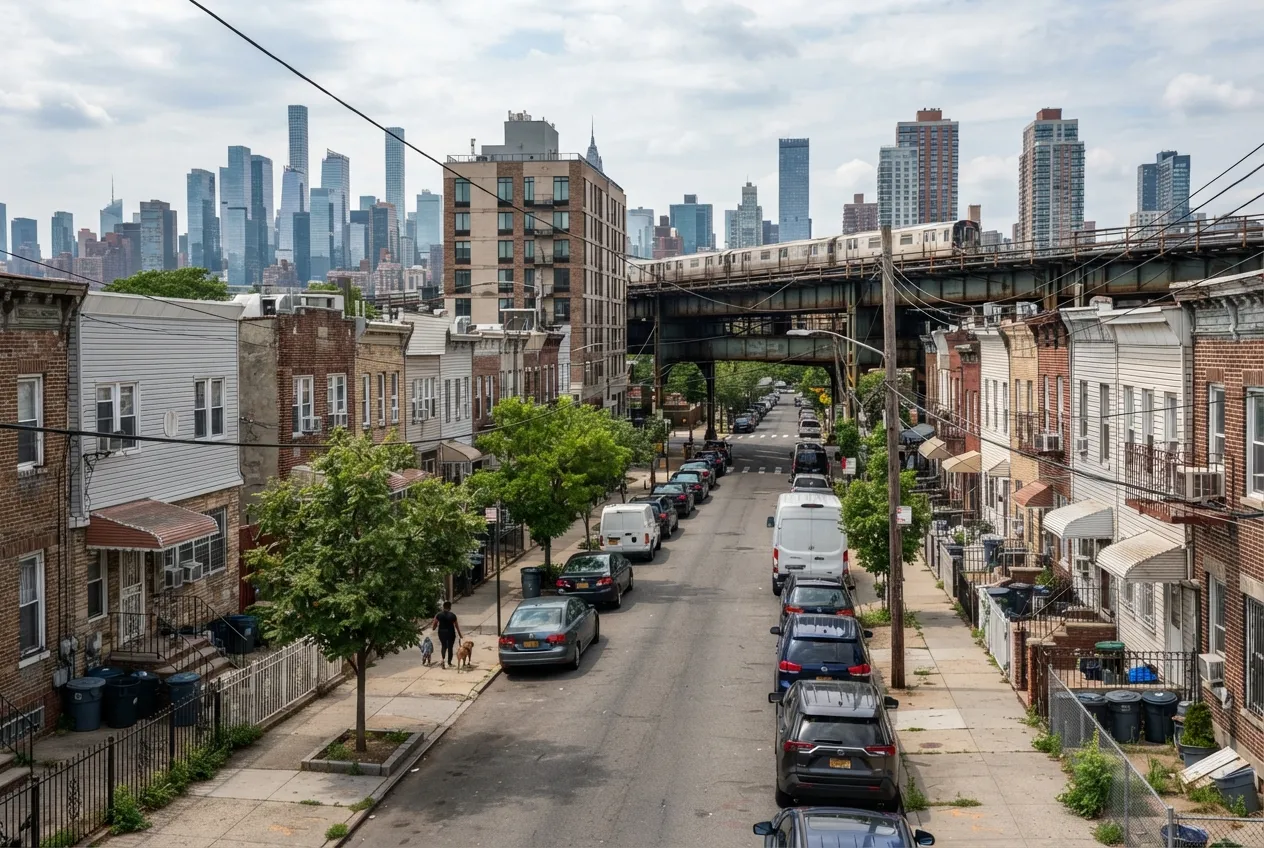
Dutch Kills sits in the western part of Queens, a short trip from our Manhattan office, and its housing ranges from attached rowhouses and small multi-family buildings to pre-war apartment buildings. Many of these chimneys have years of freeze-thaw cycles, rain and heating-season use behind them. When a chimney starts losing mortar, leaking at the roofline or showing cracks in its flue, a repair addresses the specific damage before it spreads. PrimeFlue's certified technicians repair chimneys for homeowners and building owners in ZIP code 11106, and we start every repair by finding out what is actually wrong.
Common Chimney Repairs on Dutch Kills Homes
Most chimney problems we see in older Queens housing start at the top of the chimney, where it takes the most weather. Water that gets into masonry freezes, expands and pushes bricks and mortar apart, and the damage grows a little each winter. In attached rowhouses, a leak at one chimney can show up as a stain on a shared wall or a ceiling below, so the source is not always obvious from inside.
These are the repairs we handle most often:
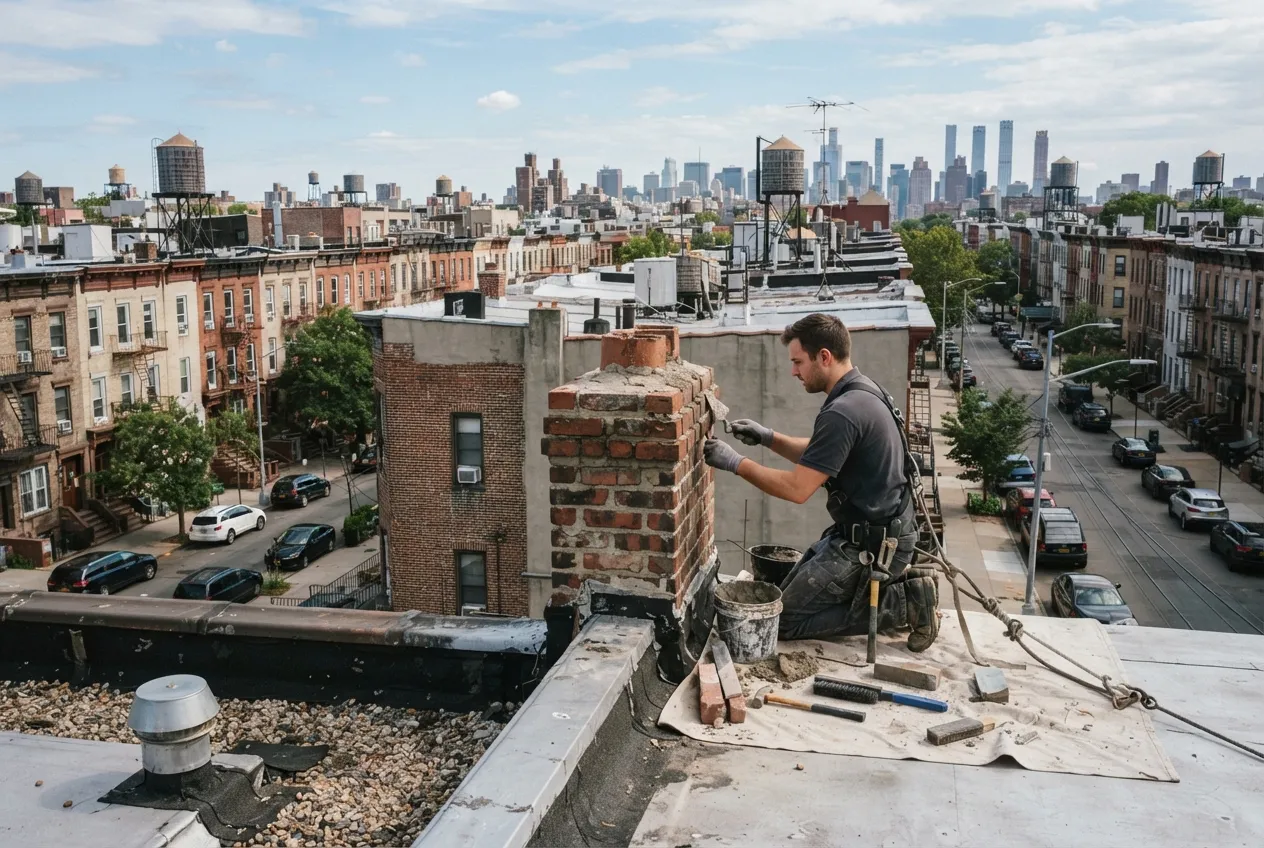
- Repointing: replacing cracked or missing mortar joints so water stays out of the brick
- Brick replacement where faces have spalled or crumbled
- Crown repair or rebuilding when the concrete cap on top of the chimney is cracked
- Flashing repair where the chimney meets the roof and leaks have started
- Flue liner repair or relining when tiles are cracked or a liner is no longer suited to the appliance
- Chimney cap and damper repair or replacement to keep out rain, debris and animals
Why We Inspect Before We Repair
A repair is only as good as the diagnosis behind it. The NFPA 211 standard calls for chimneys, fireplaces and vents to be inspected once a year, and chimney professionals use three inspection levels. A Level 1 inspection fits when nothing about the system has changed. A Level 2 inspection is used when the system changes, such as a new appliance or a switch of fuel, or when the home is sold. A Level 3 inspection is reserved for cases where a hidden hazard has to be reached by opening part of the chimney or the building.
For most repair calls, we look at the exterior masonry, the roofline and the flue, then walk you through what we found with photos where possible. If the damage is minor, we say so. If something is serious, such as a cracked liner in a flue that vents a boiler or furnace, we explain why it matters for safety and what the options are.
Oil-to-Gas Conversions and Liners
Many multi-family and pre-war buildings in Dutch Kills were originally heated with oil. When a New York City building converts its boiler from oil to gas, the chimney has to be evaluated as part of the work. A new liner is often needed because gas exhaust produces acidic condensate that can corrode a masonry flue from the inside.
If you are planning a conversion, or have already converted and never had the chimney looked at, we can assess the flue and tell you whether it can serve the new equipment or needs relining. Bringing us in early helps keep the chimney work from holding up the rest of the project.
Time for your annual chimney check?
Timing Repairs Around the Heat Season
New York City's heat season runs from October 1 through May 31, when building owners must keep apartments heated to the city's minimum temperatures. For a building whose boiler vents through the chimney, that makes timing important. Masonry and liner work that would interrupt heat is easiest to schedule in late spring and summer.
Problems do not always wait for convenient weather, though. If you notice smoke or fumes where they should not be, water coming in around the chimney, or pieces of brick or tile falling into the firebox or cleanout, call us promptly rather than waiting for the off-season.
What to Expect From a Repair Visit
We schedule a time that works for you and arrive ready to look at the full chimney, not just the spot you noticed. After the inspection, we describe the problem in plain terms and lay out the recommended repair before any work begins. Work areas are protected, and we clean up when the job is done.
We also serve nearby neighborhoods, including Queensbridge, Ravenswood, Old Astoria, Roosevelt Island and Lenox Hill, so if you own property in more than one area, we can help across them.
More services in Dutch Kills
- Chimney Sweep in Dutch Kills
- Chimney Inspection in Dutch Kills
- Air Duct Cleaning in Dutch Kills
- Chimney Liner Installation in Dutch Kills