The short answer
Under the NFPA 211 standard, chimneys, fireplaces and vents should be inspected once a year, and a more detailed inspection is needed when you change appliances or fuel, or sell the home. PrimeFlue inspects chimneys in Dutch Kills and nearby Queens neighborhoods, explains which inspection level fits your situation, and reports what we find.
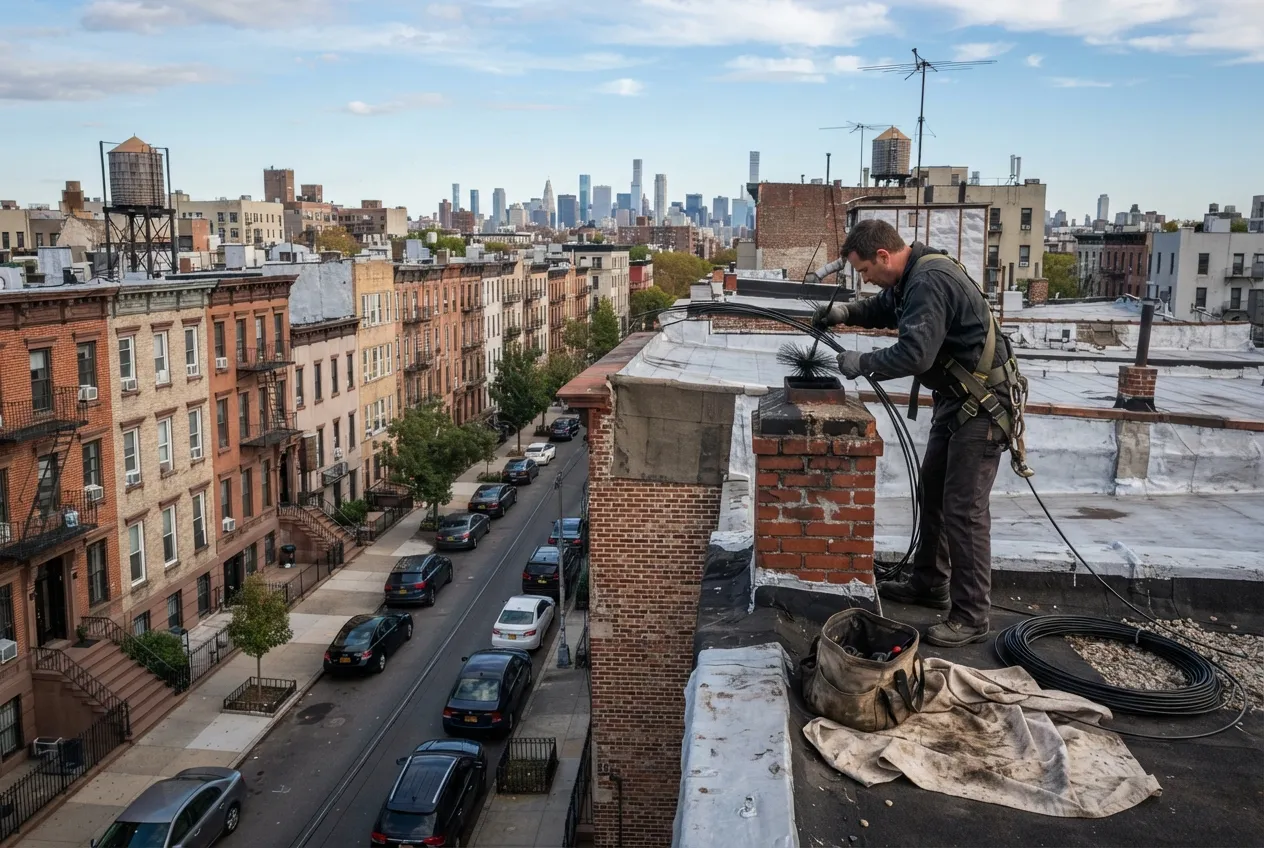
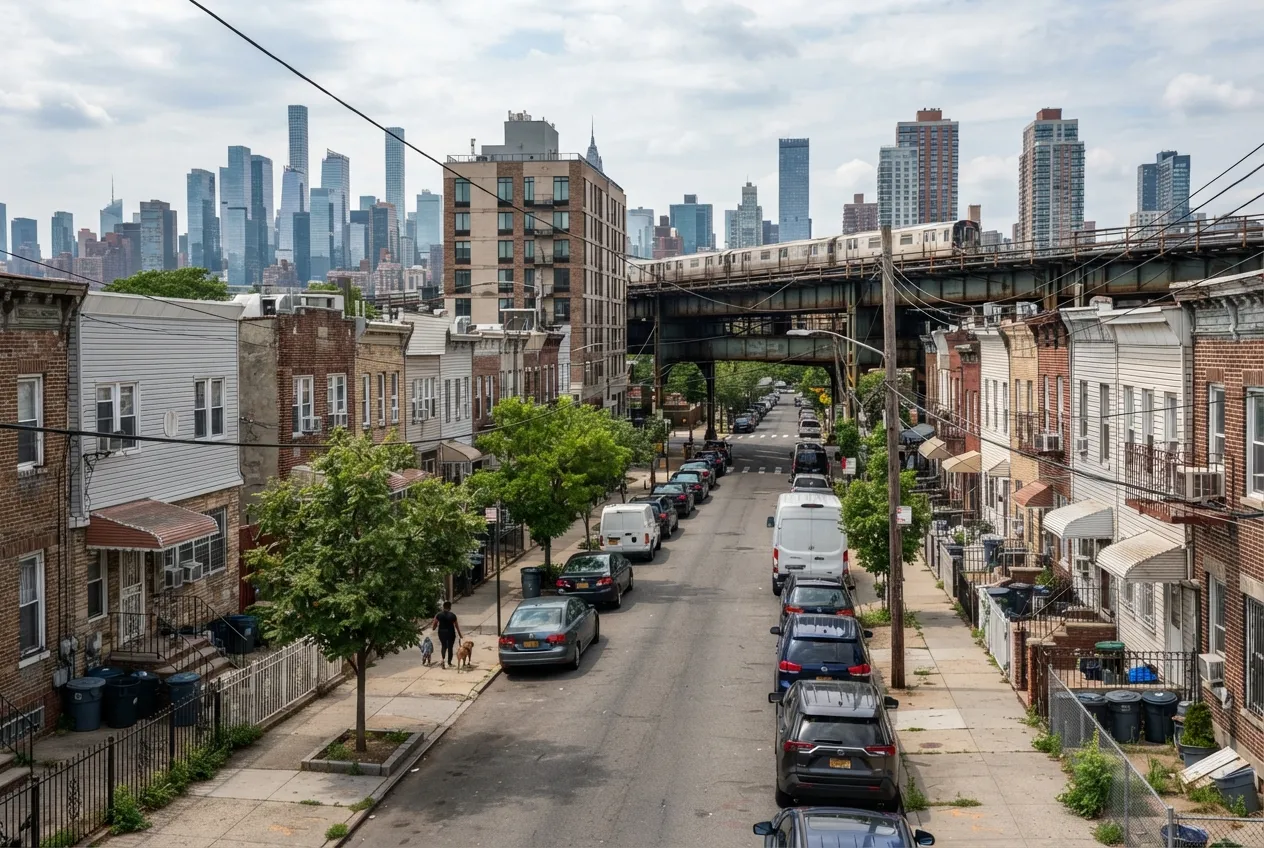
Dutch Kills sits about a mile from our Manhattan office, so PrimeFlue Chimney Services can get to homes in ZIP code 11106 without a long trip across the city. The neighborhood mixes older rowhouses, two- and three-family homes, and pre-war apartment buildings, many with chimneys that have served several generations of heating equipment. An inspection tells you what condition that chimney is in today, whether it suits the appliance it serves now, and what, if anything, needs attention before you rely on it again. Our certified technicians explain what they find in plain terms and show you the evidence.
Which Inspection Level Fits Your Dutch Kills Home
The NFPA 211 standard calls for chimneys, fireplaces and vents to be inspected once a year. Chimney professionals use three levels of inspection, and the right one depends on what has happened to your home since the last time someone looked at the chimney.
We'll ask a few questions before the visit so we arrive ready for the right level of work. If you aren't sure, describe what has changed and we'll tell you which level makes sense.
- Level 1: for a chimney with no changes to the system. We check the readily accessible parts of the chimney, the appliance connection and the flue for blockages and obvious damage.
- Level 2: needed when the system changes, such as a new boiler or furnace or a switch of fuel, or when the home is being sold. This typically includes a camera inspection of the flue interior.
- Level 3: used when a hidden hazard has to be reached by opening part of the chimney or building. We only recommend this when earlier findings point to a concealed problem.
What We Look For in Rowhouses and Older Multifamily Buildings
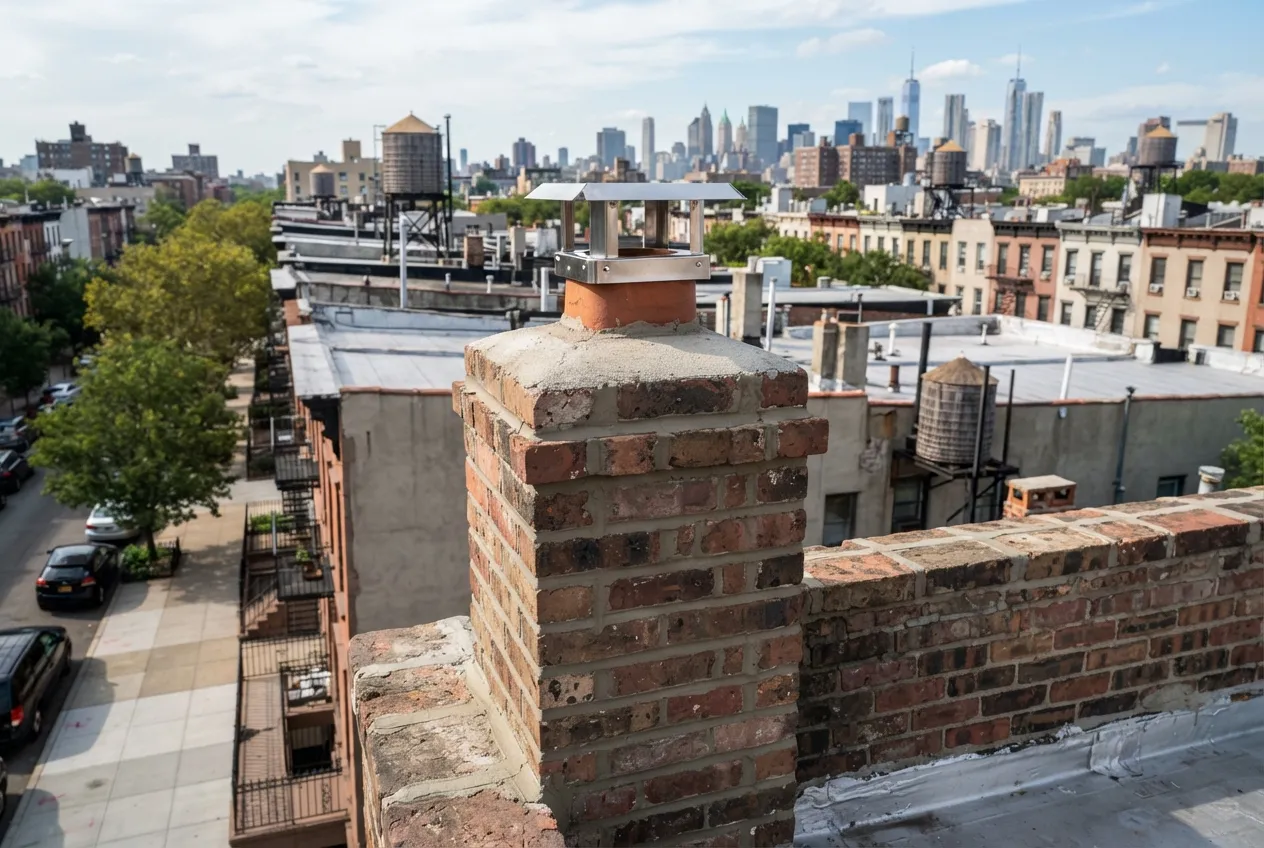
Many Dutch Kills chimneys are tall masonry flues shared by a boiler in the basement, and some older homes still have a fireplace on an upper floor. Brick and mortar exposed to decades of freeze-thaw cycles and flue gases can crack, spall or lose mortar at the joints, and the damage often starts inside the flue where you can't see it.
During an inspection we look at the crown and cap, the exterior masonry, the flashing where the chimney meets the roof, the connector pipe from the appliance, and the condition of the flue liner. We also check for creosote buildup at fireplaces, debris or nesting material that can block a flue, and signs of water getting into the chimney, such as staining on interior walls near the chimney.
Oil-to-Gas Conversions and Chimney Liners
Some buildings in this part of Queens have switched, or are planning to switch, their boilers from oil to gas. When a New York City building converts its boiler from oil to gas, the chimney has to be evaluated as part of the work. A new liner is often needed because gas exhaust produces acidic condensate that can corrode a masonry flue.
If you're planning a conversion, an inspection before the new equipment goes in helps you know whether the existing flue can be used or whether a liner should be part of the plan. If the conversion has already happened, a Level 2 inspection confirms the chimney is suited to the new appliance.
Time for your annual chimney check?
Timing Your Inspection Around Heat Season
New York City's heat season runs from October 1 through May 31, and building owners must keep apartments heated to the city's minimum temperatures during that time. For owners of two- and three-family homes and small apartment buildings, that means the boiler and its chimney need to be ready before October.
Scheduling your inspection in late spring or summer gives you time to handle any repairs without taking the heating system offline when tenants depend on it. It also avoids the fall rush, when many owners realize at the same time that their chimneys haven't been checked.
What You Get After the Inspection
After the visit, we walk you through what we saw, with photos or camera footage where they help. If the chimney is in good shape, we tell you so. If something needs work, we explain what it is, why it matters, and which items are urgent and which can wait.
We also serve homeowners in nearby Queensbridge, Ravenswood, Old Astoria and Roosevelt Island, as well as Lenox Hill in Manhattan, so neighbors with similar buildings can expect the same approach.
More services in Dutch Kills
- Chimney Sweep in Dutch Kills
- Chimney Repair in Dutch Kills
- Air Duct Cleaning in Dutch Kills
- Chimney Liner Installation in Dutch Kills