The short answer
A new chimney liner protects the masonry and safely vents exhaust when the old flue is damaged, the wrong size, or not suited to your current fuel. In Dutch Kills, relining usually follows an inspection, a boiler conversion from oil to gas, or a new appliance. We inspect first, then recommend the liner type that fits your chimney and equipment.
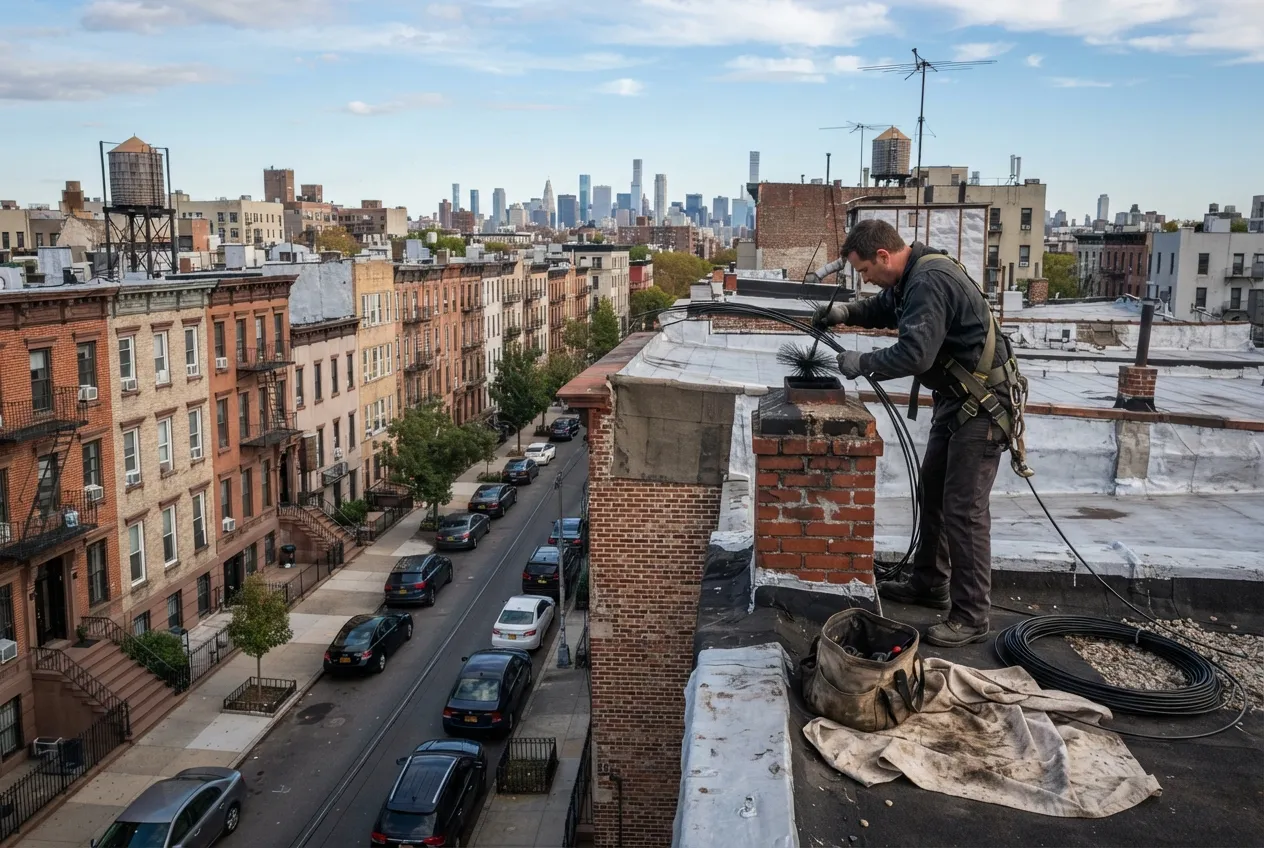
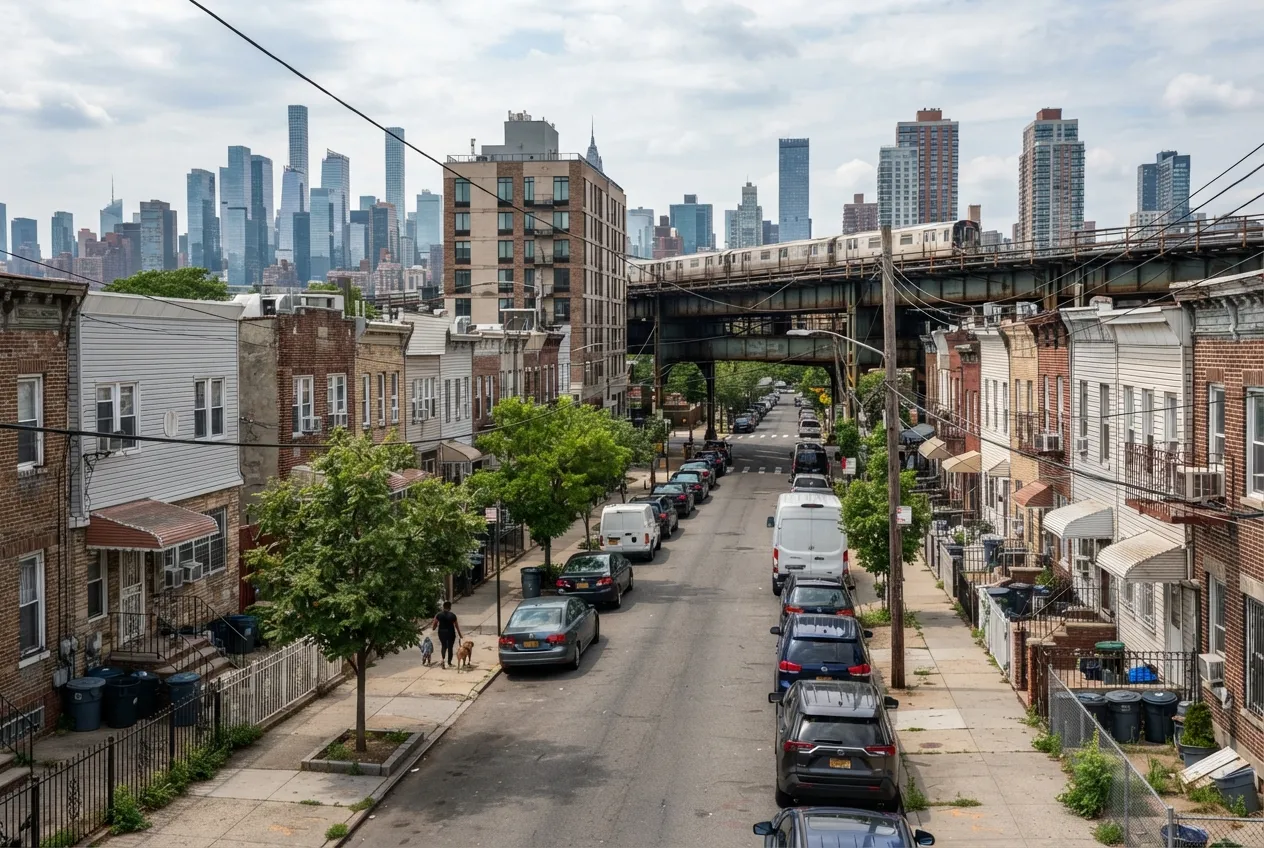
A chimney liner is the channel inside your chimney that carries smoke and exhaust out of the house and keeps heat and acidic byproducts away from the surrounding brick and framing. In Dutch Kills, many homes and small buildings were built long before today's heating equipment existed. The original clay tile flues are often cracked, missing sections, or the wrong size for the boiler, furnace, or water heater now connected to them. PrimeFlue Chimney Services installs new liners for rowhouses, small multifamily buildings, and pre-war apartment buildings throughout Dutch Kills and ZIP code 11106. Our office in Manhattan is about a mile away, so scheduling an inspection or follow-up visit is straightforward.
Why Dutch Kills Chimneys Often Need Relining
Older masonry chimneys in this part of Queens were usually lined with clay tile, or sometimes not lined at all. Decades of heating cycles, water getting in through the crown, and building settlement can crack those tiles or wear down the mortar joints between them. A damaged flue can let heat and exhaust reach the brick and nearby wood, and it can let carbon monoxide escape into living space instead of venting outside.
Equipment changes cause problems too. Today's boilers and water heaters often produce cooler exhaust than the oil-fired units these chimneys were built for. In an oversized flue, that exhaust can cool before it gets out, which leads to poor draft and condensation inside the chimney.
- Cracked, shifted, or missing clay flue tiles
- Eroded mortar joints visible during a camera inspection
- A flue sized for an old oil burner but now serving a smaller gas appliance
- Water stains, flaking masonry, or white deposits on the chimney
- Draft problems, such as exhaust odors near the boiler or water heater
Oil-to-Gas Conversions and Liners
When a New York City building converts its boiler from oil to gas, the chimney has to be evaluated as part of the job. A new liner is often needed because gas exhaust produces acidic condensate that can corrode a masonry flue over time. Many Dutch Kills buildings have gone through this change or are planning it, so this is one of the most common reasons we reline chimneys here.
We coordinate with your heating contractor so the liner is sized for the new appliance and installed on a schedule that fits the conversion. Because the city's heat season runs from October 1 through May 31, owners of multifamily buildings usually find it easier to plan relining for late spring or summer, when a short shutdown won't leave tenants without heat.
Liner Options We Install
The right liner depends on the chimney's condition, the shape of the flue, and what's venting through it. We'll explain the tradeoffs in plain terms before any work begins.
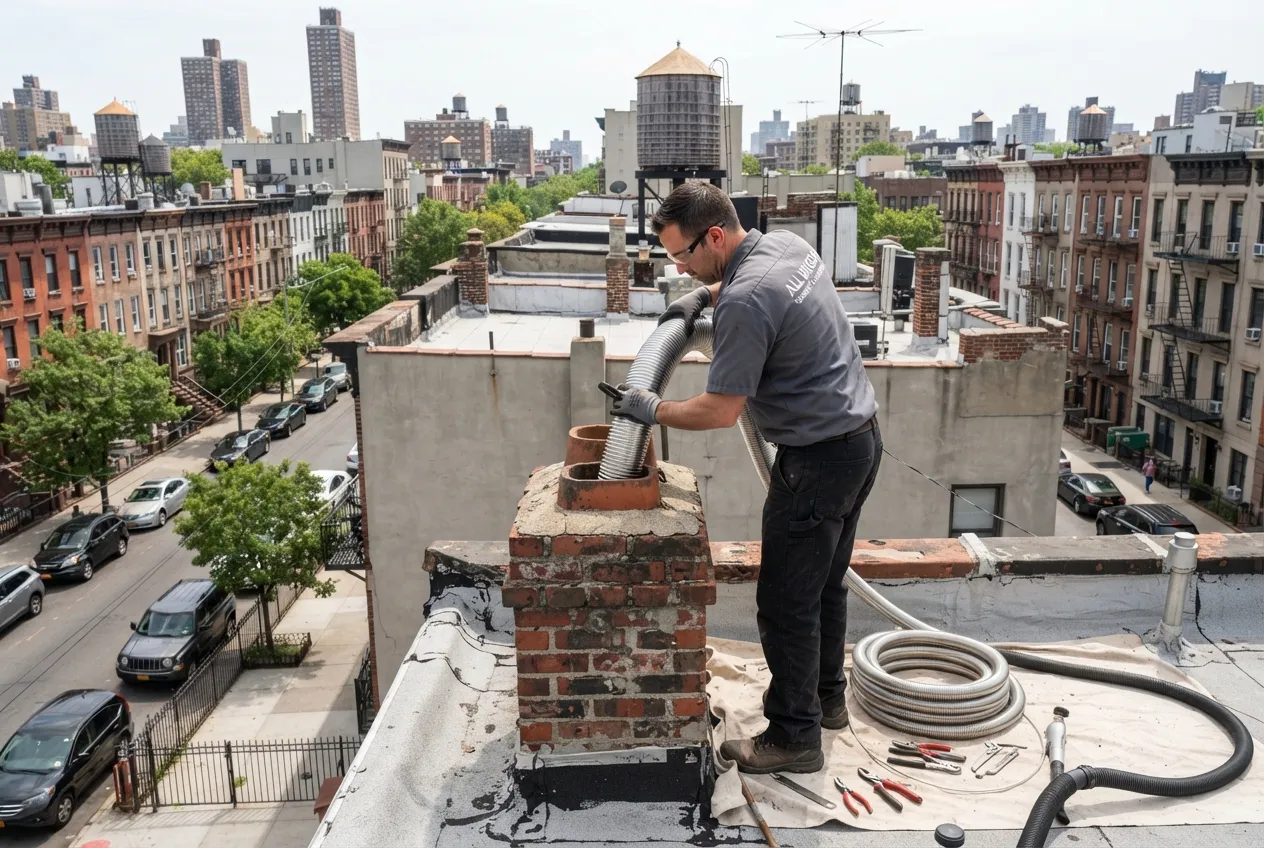
- Stainless steel liners: The most common choice for gas and oil boilers, furnaces, and water heaters. They are sized to the appliance and run continuously from the connection to the top of the chimney.
- Insulated stainless liners: Used where extra insulation helps keep exhaust warm, improve draft, and reduce condensation, or where it's needed for clearance to combustible materials.
- Cast-in-place liners: A poured, cement-based lining that can seal and add strength to a deteriorated masonry flue, often used for wood-burning fireplaces.
- Clay tile replacement: Sometimes practical for a fireplace flue when the chimney can be accessed, though it is less common in tight rowhouse settings.
Time for your annual chimney check?
How Installation Works
Every job starts with an inspection. The NFPA 211 standard calls for chimneys, fireplaces, and vents to be inspected once a year, and it calls for a more detailed Level 2 inspection when the system changes, such as a new appliance or a fuel switch, or when a home is sold. We use a camera to look at the full length of the flue and record what we find.
If relining is needed, our certified technicians clean the flue and measure it, then install the liner from the roof down. We connect it to the appliance, fit a top plate and cap, and check draft once the system is running. You get a clear explanation of what was done and what to watch for afterward.
In attached rowhouses and pre-war buildings, we pay close attention to roof access, shared walls, and protecting interior finishes near the boiler room or fireplace.
Serving Dutch Kills and Nearby Neighborhoods
Along with Dutch Kills, we install chimney liners in Queensbridge, Ravenswood, Old Astoria, Roosevelt Island, and Lenox Hill. Whether you own a single rowhouse or manage a small apartment building, we can inspect your chimney and give you straight answers about whether relining makes sense.
More services in Dutch Kills
- Chimney Sweep in Dutch Kills
- Chimney Inspection in Dutch Kills
- Chimney Repair in Dutch Kills
- Air Duct Cleaning in Dutch Kills