The short answer
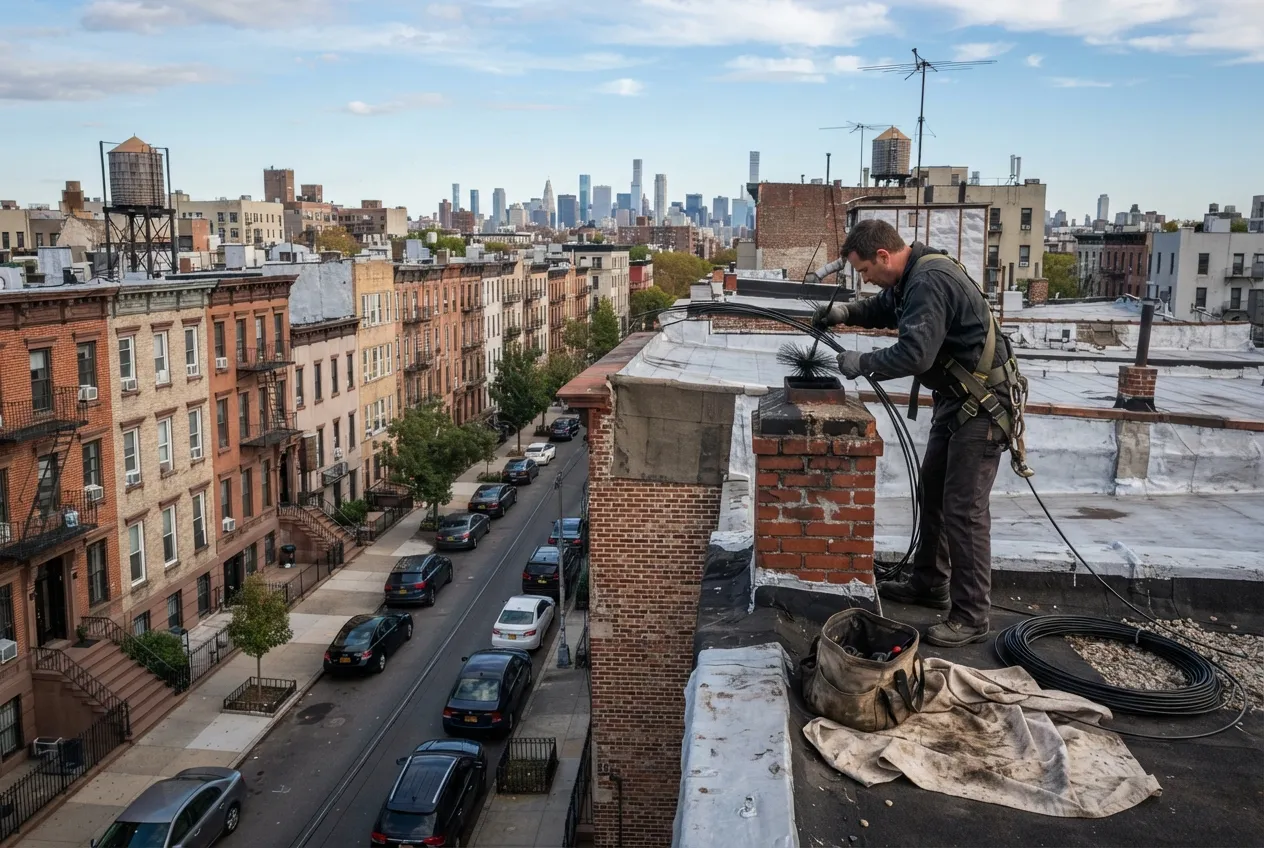
Yorkville homes often need a new chimney liner because older clay tile flues crack with age or no longer match the appliance they vent, especially after an oil-to-gas boiler conversion. PrimeFlue inspects the chimney, recommends a liner sized to your appliance and fuel, and installs it from the roof down.
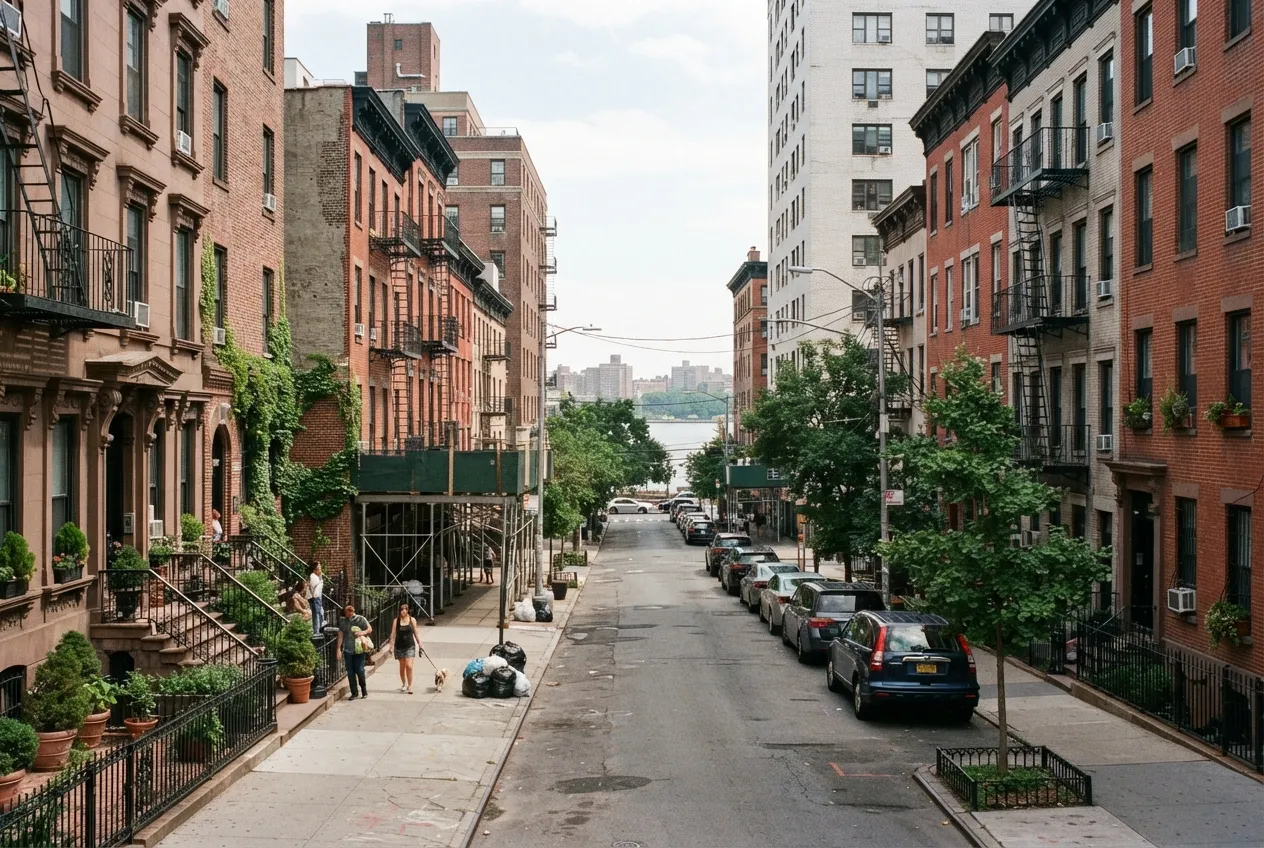
A chimney liner is the protective channel inside a flue. It carries smoke and exhaust out of your home and keeps heat and corrosive byproducts away from the surrounding masonry. In Yorkville, many homes are older rowhouses, brownstones and pre-war apartment buildings, and their original clay tile liners are often cracked, missing in sections, or not sized for the appliance now connected to them. PrimeFlue Chimney Services installs new liners for fireplaces, boilers and water heaters in ZIP codes 10028 and 10128. Our Manhattan office is about a mile south of the neighborhood, so scheduling an evaluation is straightforward.
Why Yorkville Chimneys Often Need a New Liner
Older Manhattan masonry chimneys were built for coal, wood or oil. Over decades, heat cycles, moisture and freeze-thaw weather can crack clay tiles and erode mortar joints. That leaves gaps where hot gases can reach brick or wood framing. In some older buildings, the flue was never lined at all.
Changes inside the building matter too. A replaced boiler, a new water heater or a fireplace converted to gas can leave the existing flue the wrong size or the wrong material for what it now vents. An undersized flue can struggle to draft. An oversized one lets exhaust cool too quickly, which leads to condensation and buildup.
- Pieces of tile or flaky masonry at the base of the flue or in the cleanout
- White staining or damp spots on interior walls near the chimney
- Smoke or odors backing into rooms when the appliance runs
- Crumbling mortar visible at the top of the chimney
- A recent or planned change of boiler, water heater or fuel
Oil-to-Gas Conversions and Liners
When a New York City building converts its boiler from oil to gas, the chimney has to be evaluated as part of that work. A new liner is often needed because gas exhaust produces acidic condensate that can corrode a masonry flue from the inside. That damage can be slow and hard to see until the mortar and tile have already deteriorated.
If your Yorkville building is planning a conversion, bring us in early. That way the liner can be sized to the new equipment and installed alongside the boiler work rather than after it. Many owners also try to schedule this work outside the heat season, which in New York City runs from October 1 through May 31. During those months, building owners must keep apartments heated to the city's minimum temperatures.
Liner Options We Install
The right liner depends on the appliance, the fuel and the shape of the existing flue. After evaluating your chimney, our certified technicians explain which option fits and why.
- Flexible stainless steel liners: common for gas and oil appliances and many wood-burning fireplaces, and able to follow the bends found in older chimneys
- Rigid stainless steel liners: used in straighter flues where a smooth, sturdy run is practical
- Aluminum liners: suited only to certain gas appliances where the manufacturer allows them
- Cast-in-place liners: a poured, insulating lining that can reinforce a deteriorated masonry flue
- Insulation around metal liners where clearances or draft performance call for it
Time for your annual chimney check?
How Liner Installation Works
We start with an inspection. Under the NFPA 211 standard, a Level 2 inspection applies when a system changes, such as a new appliance or a switch of fuel, and when a home is sold. If a hidden problem can only be reached by opening part of the chimney or building, a Level 3 inspection may be needed. We'll tell you which level applies before any work begins.
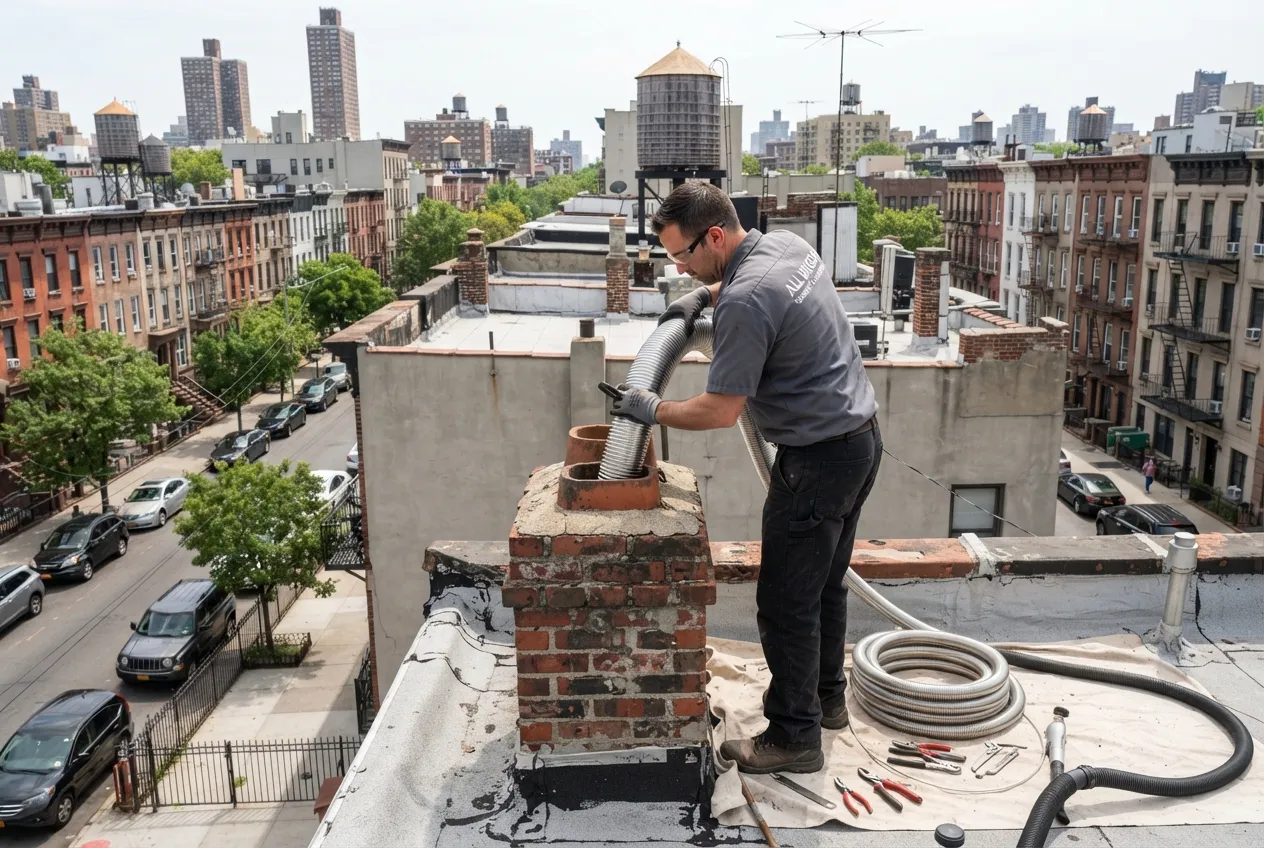
Next, we measure the flue, confirm the appliance's venting requirements and clean the chimney so the liner goes into a clear passage. We lower the liner from the roof, connect it at the appliance, and fit a top plate and cap to keep out rain and animals. In attached rowhouses and apartment buildings, we plan roof access ahead of time and protect shared hallways, stairs and floors while we work.
When the installation is finished, we confirm the appliance drafts properly and walk you through what was done.
Keeping a New Liner in Good Shape
A new liner still needs regular attention. NFPA 211 calls for chimneys, fireplaces and vents to be inspected once a year, and a Level 1 inspection is usually enough when nothing has changed. Annual checks catch loose caps, debris and early corrosion before they become larger repairs. Beyond Yorkville, we also serve the Upper East Side, Carnegie Hill, Lenox Hill, Roosevelt Island and Old Astoria.
More services in Yorkville
- Chimney Sweep in Yorkville
- Chimney Inspection in Yorkville
- Chimney Repair in Yorkville
- Air Duct Cleaning in Yorkville