The short answer
The NFPA 211 standard calls for chimneys, fireplaces, and vents to be inspected once a year. Queensbridge homes and buildings usually need a Level 1 inspection, or a Level 2 after a fuel switch, a new appliance, or a sale. PrimeFlue's certified technicians handle both and explain any Level 3 needs clearly.
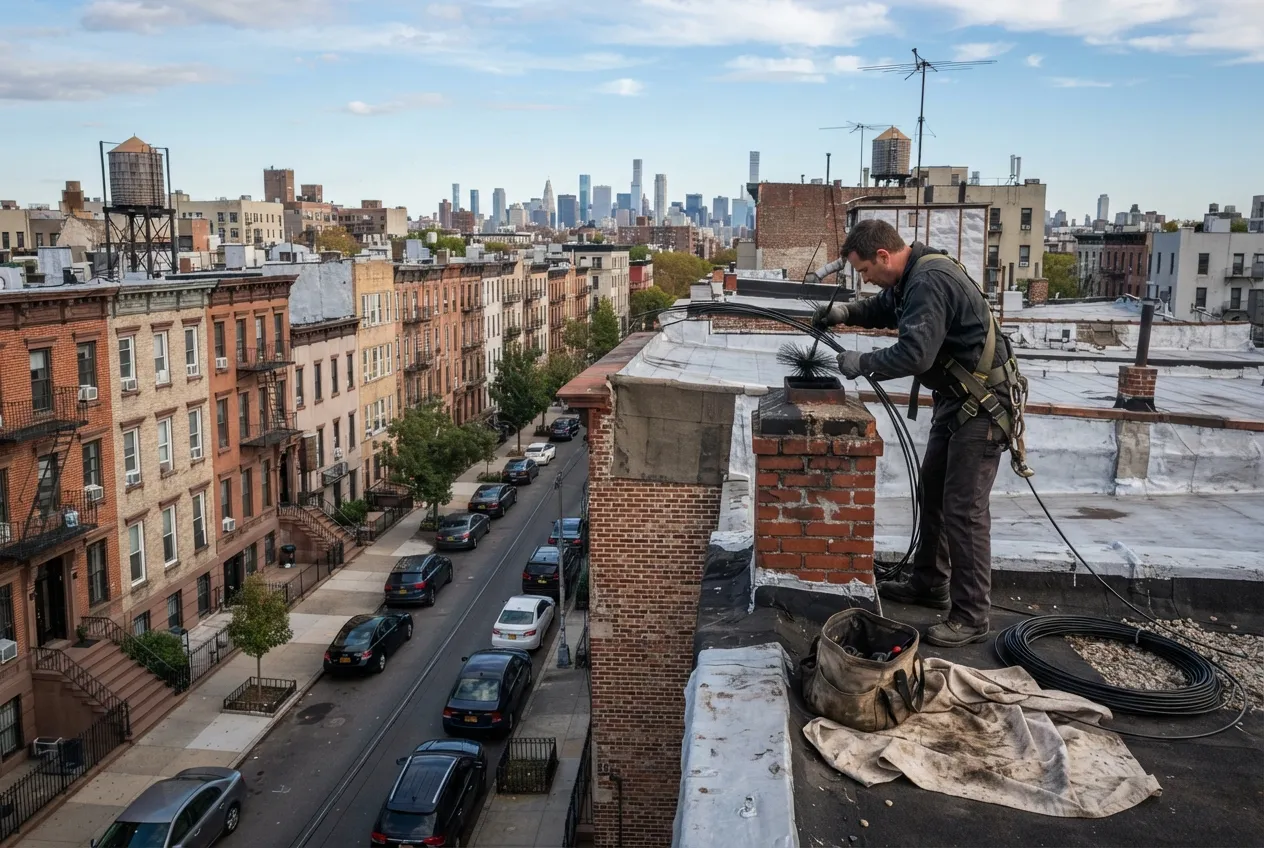
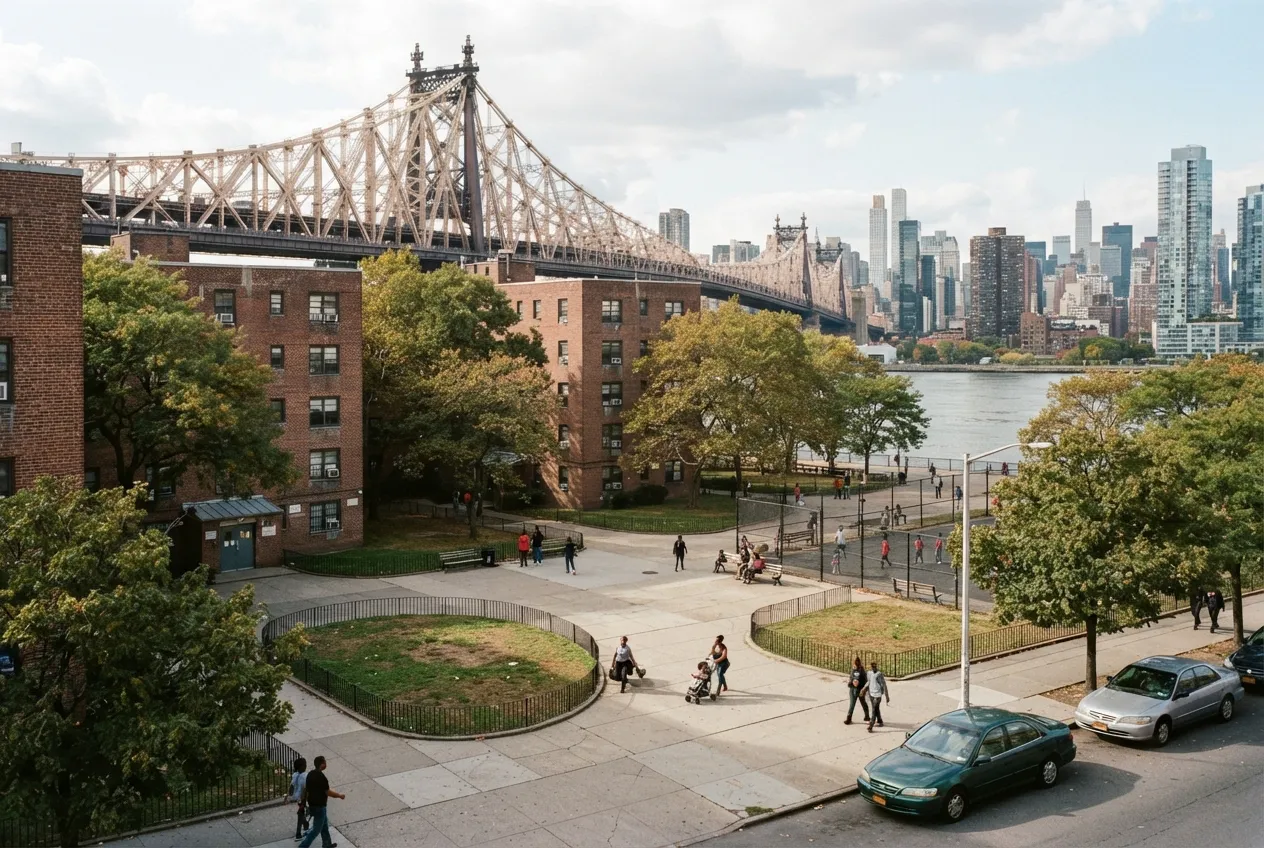
PrimeFlue Chimney Services inspects chimneys and flues for homeowners and building owners in Queensbridge, Queens (ZIP 11106). The neighborhood is about a mile southeast of our Manhattan office, so it's a short trip for our certified technicians. Queensbridge's housing includes mid-rise and pre-war apartment buildings, older rowhouses, and small multifamily buildings, often with long masonry flues serving boilers or water heaters. A chimney inspection tells you whether that flue is sound, clear, and suited to the appliance it serves. You get a plain report of what we found and what, if anything, needs attention.
Why Yearly Inspections Matter in Queensbridge
The NFPA 211 standard calls for chimneys, fireplaces, and vents to be inspected once a year. In Queensbridge, most chimneys serve heating equipment rather than a decorative fireplace. A boiler or furnace venting through an older masonry flue runs hard for months. Over time, mortar joints wear, liners crack, and debris can build up and partly block the flue.
New York City's heat season runs from October 1 through May 31. During that time, building owners must keep apartments heated to the city's minimum temperatures. A chimney problem found in January can mean shutting down heat while repairs are made. Scheduling an inspection in late summer or early fall gives you time to fix issues before the boiler is needed every day.
The Three Inspection Levels, Explained
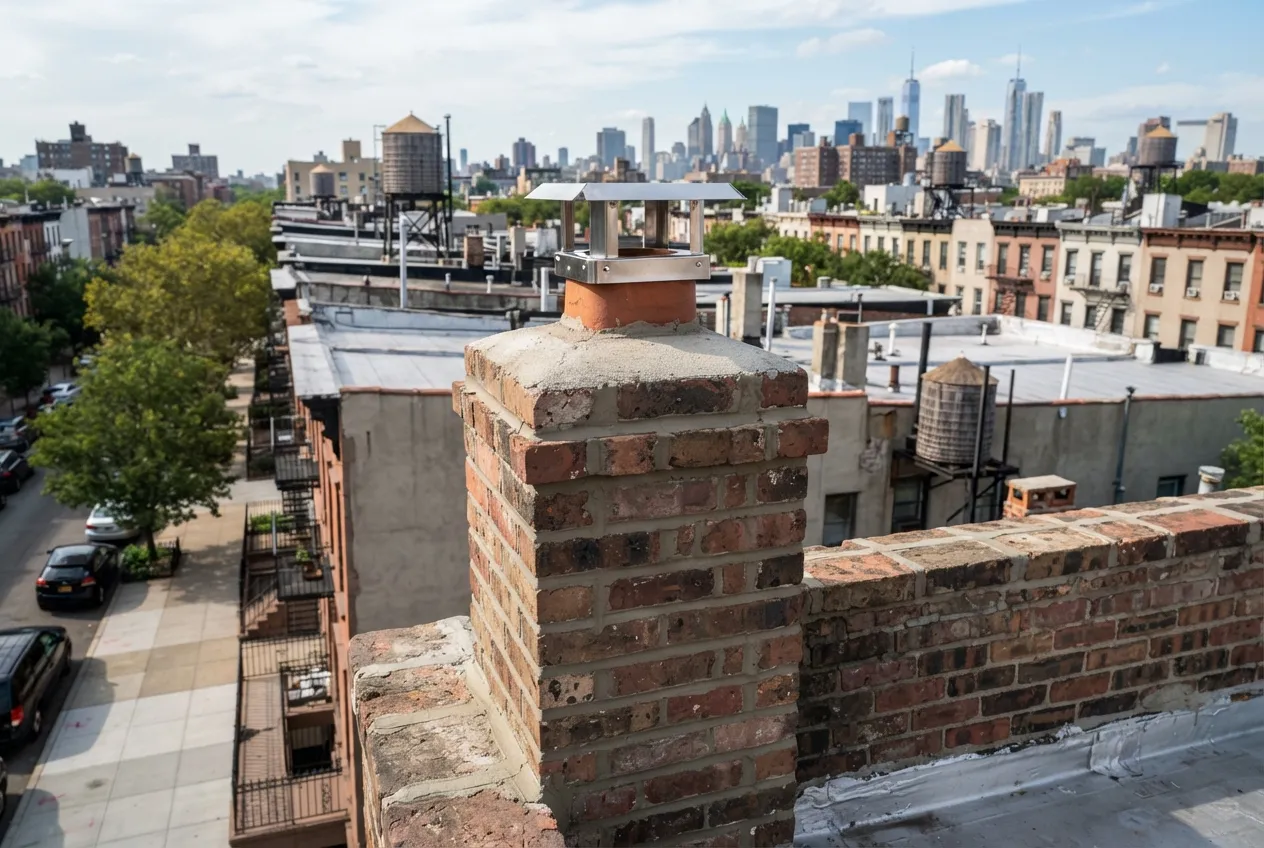
Chimney professionals use three levels of inspection. The right one depends on what has happened with your system since it was last checked.
- Level 1: For chimneys where nothing has changed. We examine the readily accessible parts of the chimney, flue, and appliance connection, and confirm the flue is clear of obstructions and combustible deposits.
- Level 2: Needed when the system changes, such as a new boiler or water heater or a switch from one fuel to another, or when the property is sold. This includes a camera inspection of the flue's interior and a closer look at accessible areas like attics, basements, and crawl spaces.
- Level 3: Used when a serious hidden hazard is suspected and the only way to reach it is to open part of the chimney or the building. We explain why before recommending this level, since it involves removing material.
Oil-to-Gas Conversions and Liners
Many Queens buildings have moved, or are moving, from oil heat to gas. When a New York City building converts its boiler from oil to gas, the chimney has to be evaluated as part of the work. A new liner is often needed. Gas exhaust produces acidic condensate, and over time it can corrode a masonry flue that was built for oil.
If you are planning a conversion or have recently finished one, a Level 2 inspection shows the condition of the existing flue. It also shows whether the current liner is suited to the new appliance. We will tell you plainly what we see so you and your heating contractor can plan the next steps.
Time for your annual chimney check?
What to Expect on Inspection Day
Our technician will ask about the appliances connected to the chimney, any recent changes, and any problems you've noticed. These might include odors, soot near the appliance, water stains, or crumbling masonry. We protect the work area, examine the appliance connection and accessible flue, and run a camera through the flue when the inspection level calls for it.
Afterward, we go over the findings with you, including photos where we have them. If the chimney is in good shape, you'll know that. If it needs cleaning, repair, or a liner, we'll explain the reason and how urgent it is.
Serving Queensbridge and Nearby Neighborhoods
Along with Queensbridge, we inspect chimneys in nearby Ravenswood, Dutch Kills, and Old Astoria in Queens. We also serve Roosevelt Island and Lenox Hill in Manhattan. Whether you own a rowhouse or manage a pre-war apartment building, our certified technicians can match the inspection to your system.
More services in Queensbridge
- Chimney Sweep in Queensbridge
- Chimney Repair in Queensbridge
- Air Duct Cleaning in Queensbridge
- Chimney Liner Installation in Queensbridge