The short answer
A chimney liner is usually needed in Hallets Point when an older masonry flue is cracked or deteriorated, or when a boiler or furnace is switched from oil to gas. PrimeFlue inspects the flue first, then sizes and installs a liner matched to the appliance it serves.
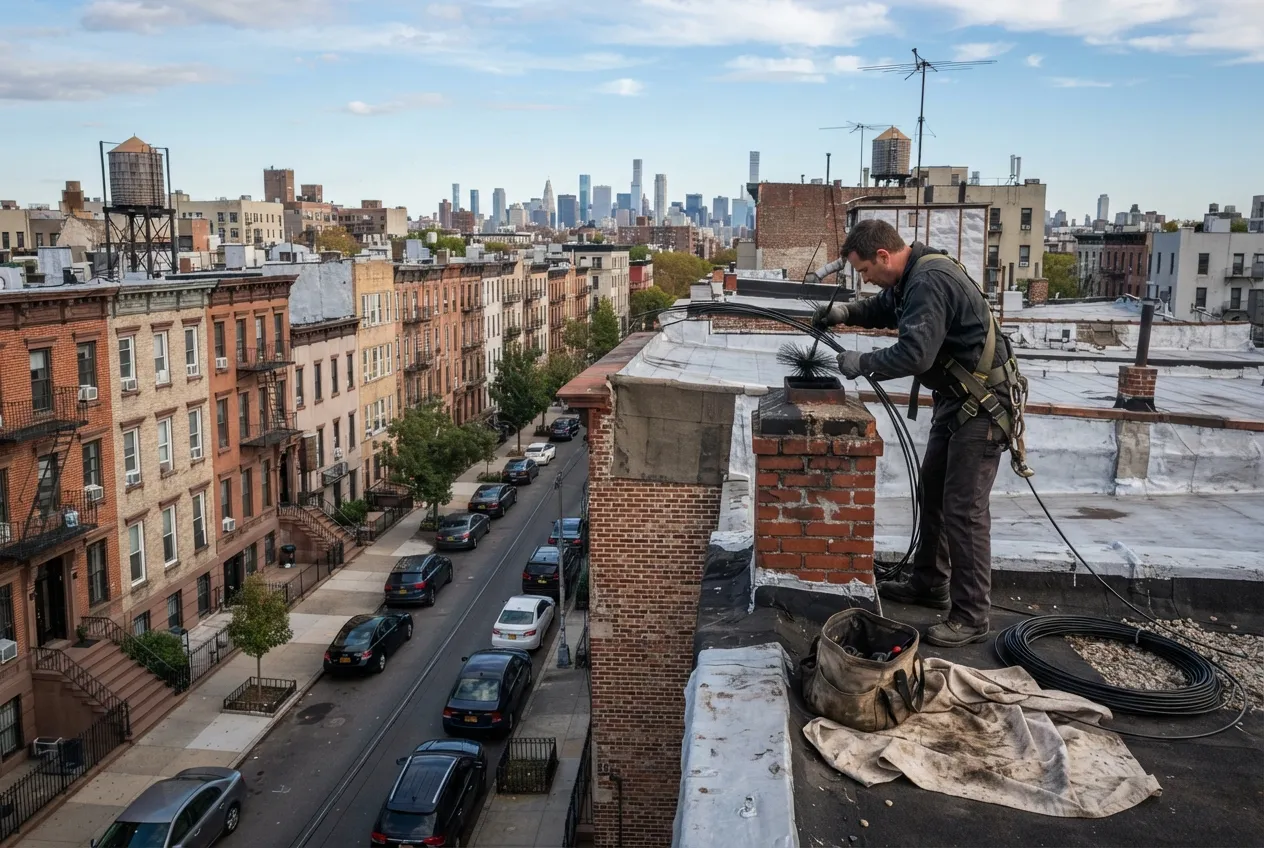
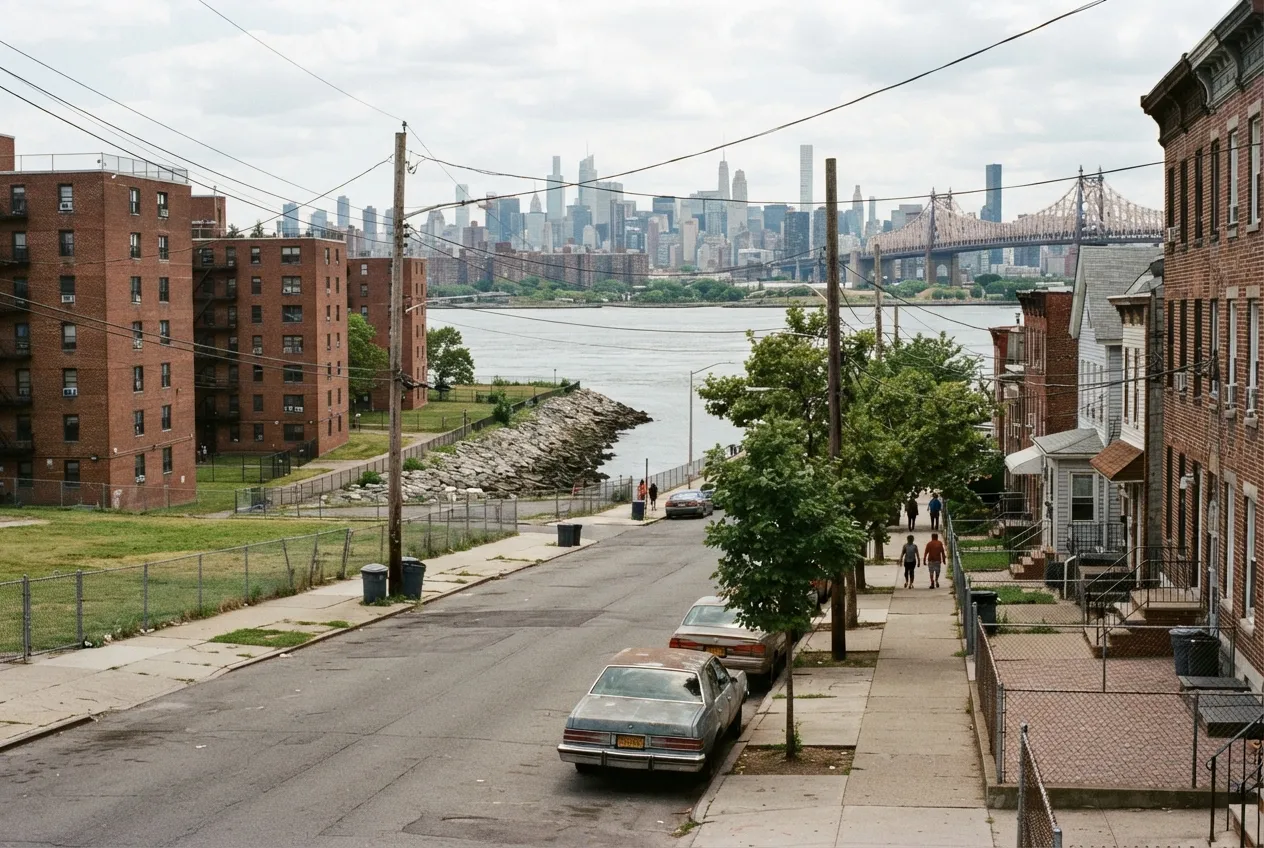
A chimney liner is the protective channel inside your flue that carries smoke and exhaust gases up and out of the house. In Hallets Point, many chimneys serve older masonry rowhouses, attached homes and small apartment buildings, and their original clay tile or bare brick flues have often cracked, shifted or worn down after decades of use. Others were built for an oil boiler and now vent a gas appliance they were never designed for. PrimeFlue Chimney Services installs new liners for homes and buildings throughout Hallets Point. We work from our Manhattan office, about a mile west, so we know the building types and venting problems common to this part of Queens. Our certified technicians start with an inspection, explain what they found, and recommend a liner only when the flue actually needs one.
Why Hallets Point Chimneys Often Need Relining
Much of the housing stock around Hallets Point and the rest of western Queens includes brick rowhouses, attached two- and three-family homes, and pre-war apartment buildings. Their chimneys typically have clay tile liners or no true liner at all. Over the years, freeze-thaw cycles, settling and heat damage open gaps between tiles and crack the mortar joints. Once that happens, exhaust can seep into the masonry and, in some cases, into living space or into the wall cavities next to the flue.
Wear is not the only cause. A liner can also be undersized or oversized for the appliance it serves, and that hurts draft. Poor draft can push combustion gases back into the home and leads to heavier soot and creosote buildup in wood-burning fireplaces.
Oil-to-Gas Conversions and Your Flue
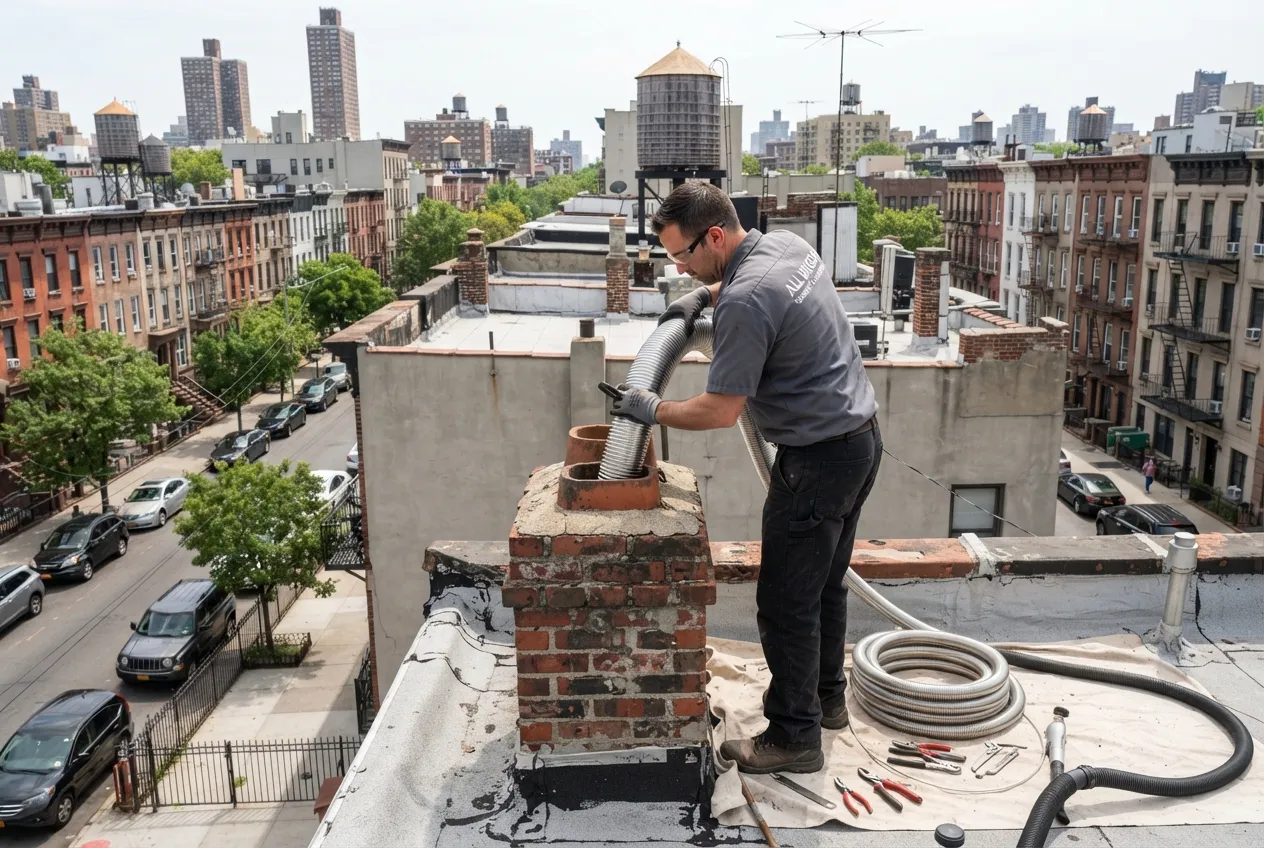
When a New York City building converts its boiler from oil to gas, the chimney has to be evaluated as part of the job. A new liner is often needed. Gas exhaust produces acidic condensate, and over time that moisture can corrode a masonry flue from the inside. We regularly see the results: crumbling tile, mortar debris collecting at the base of the chimney, and stained or damp brick.
If your building is planning a conversion, bring us in early. We evaluate the existing flue, confirm the right liner size for the new boiler or water heater, and coordinate timing with your heating contractor. For buildings with tenants, that matters. New York City's heat season runs from October 1 through May 31, and owners must keep apartments heated to the city's minimum temperatures during that period. Scheduling liner work before the season starts helps avoid gaps in heat.
How We Install a Chimney Liner
Every installation starts with an inspection. Under the NFPA 211 standard, chimneys should be inspected once a year. A change to the system, such as a new appliance or a switch of fuel, calls for a more detailed Level 2 inspection, which includes a camera look inside the flue. If the problem may be hidden behind a wall or inside the chimney structure, a Level 3 inspection may be needed to reach it.
Once we know the condition of the flue, the work generally follows these steps:
- Measure the flue and confirm what each connected appliance requires
- Recommend a liner type, most often stainless steel for gas, oil or wood, and explain why it fits your chimney
- Clean the flue and clear loose debris before installation
- Install the liner from the top down and connect it to the appliance
- Add a top plate and cap to keep rain, debris and animals out
- Test draft and walk you through the finished work with photos
Time for your annual chimney check?
Liner Options for Different Homes
Stainless steel liners are the most common choice for relining older Queens chimneys because they fit through existing flues, including ones with offsets, and they hold up against acidic gas condensate. Insulated stainless liners help a flue warm up faster, which improves draft and reduces condensation. In some cases, rebuilding or casting a new liner in place is the better option. This is more likely with fireplace flues that need structural repair. We explain the tradeoffs plainly so you can decide what makes sense for your home.
Serving Hallets Point and Nearby Neighborhoods
Along with Hallets Point, we install chimney liners in Old Astoria, Ravenswood, Queensbridge, Dutch Kills and, across the river, Yorkville. Whether you own a single rowhouse with a wood-burning fireplace or manage a multifamily building with a boiler flue, we plan the work around access, roof conditions and tenants' schedules.
More services in Hallets Point
- Chimney Sweep in Hallets Point
- Chimney Inspection in Hallets Point
- Chimney Repair in Hallets Point
- Air Duct Cleaning in Hallets Point