The short answer
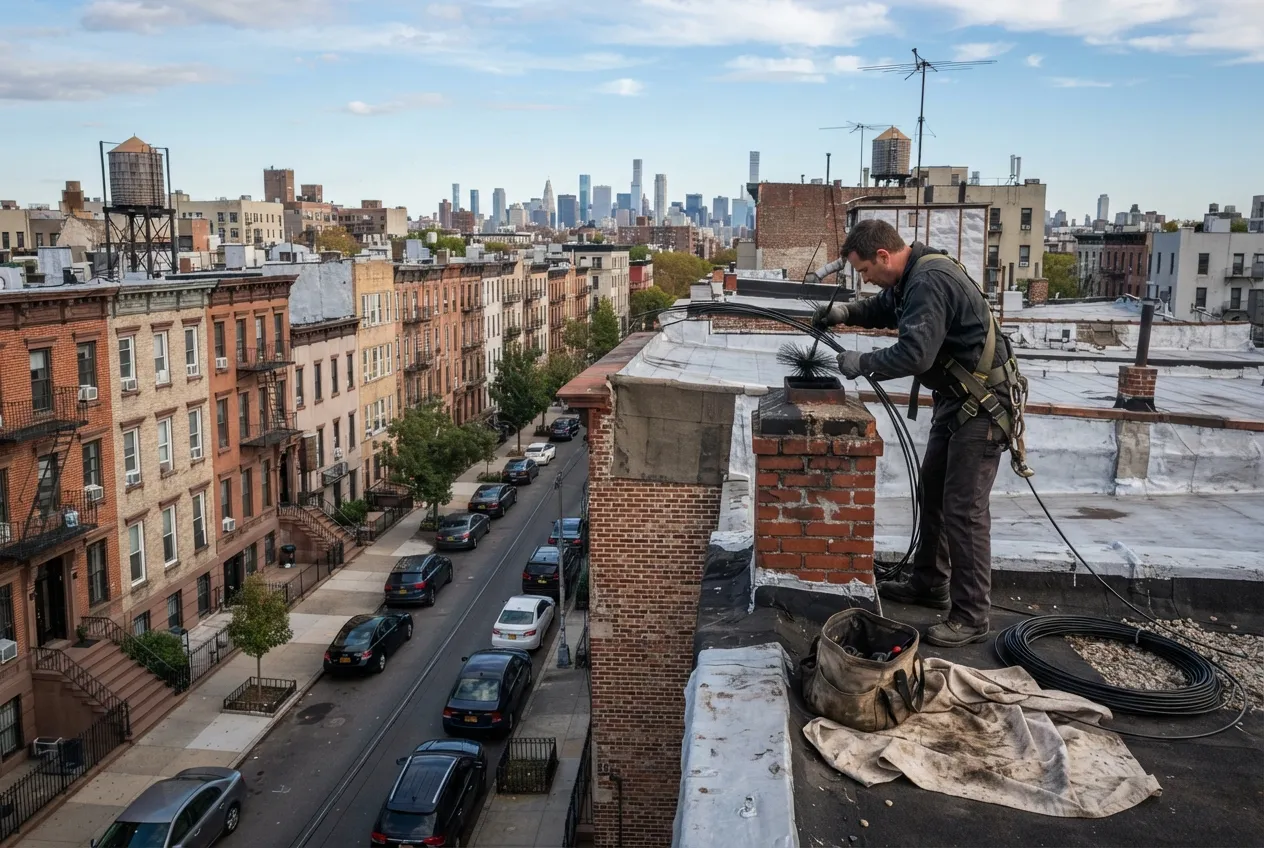
The NFPA 211 standard calls for a chimney inspection once a year, and the level depends on whether anything about your system has changed. In Hallets Point, most homes need a routine Level 1 check, but a boiler conversion, new appliance, or home sale calls for a more detailed Level 2 inspection.
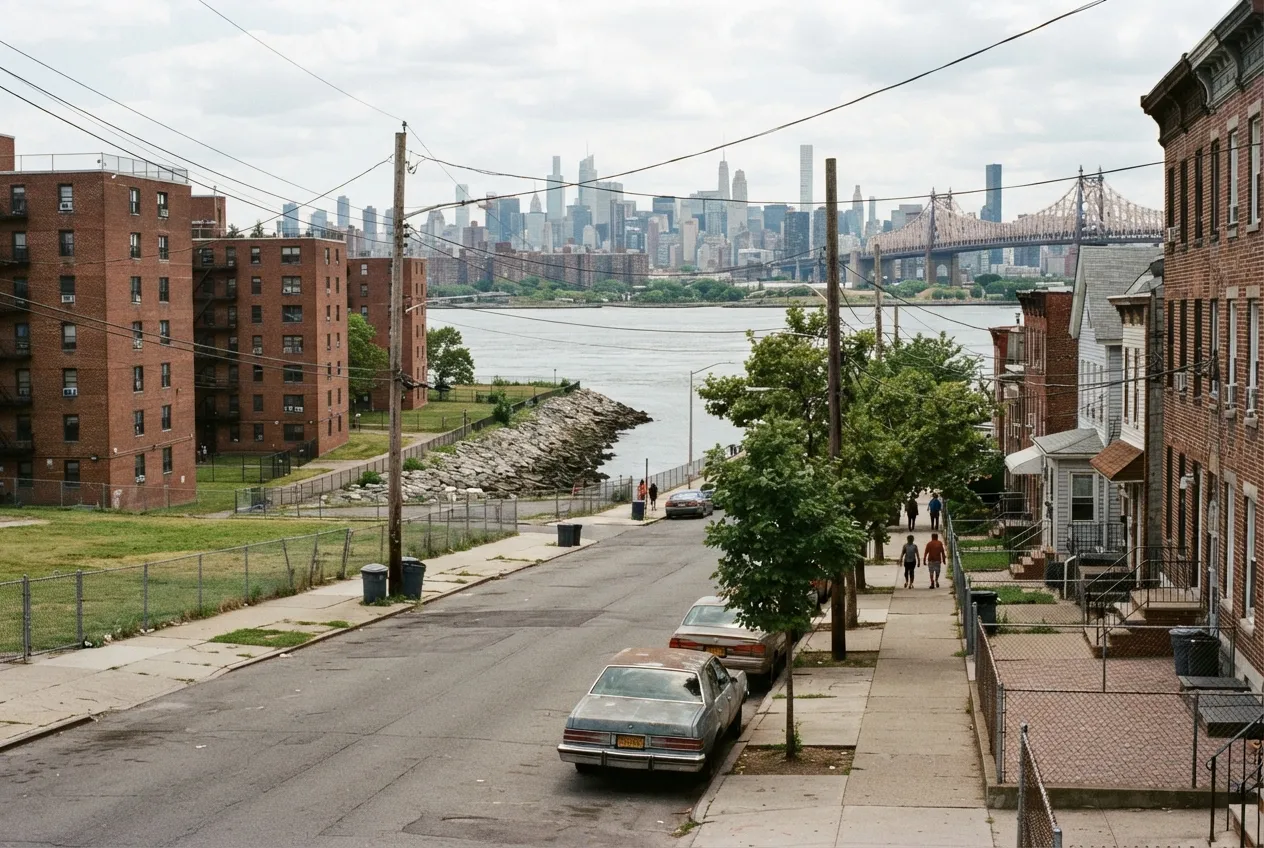
Hallets Point sits on the Queens side of the East River, about a mile east of our Manhattan office, so our certified technicians can get to you quickly. The neighborhood mixes older rowhouses and attached homes, pre-war and mid-century multifamily buildings, and newer apartment construction. Many of these buildings have masonry chimneys that have served fireplaces, oil burners, and gas boilers over the decades. A chimney inspection tells you what condition that flue is in now, whether it suits the appliance connected to it, and what needs attention before you light a fire or start the heating season.
What the Three Inspection Levels Mean for Your Home
The NFPA 211 standard recommends inspecting chimneys, fireplaces, and vents once a year. Chimney professionals use three levels of inspection. Which one you need depends on your situation, not on how large the job looks from the outside.
Most Hallets Point homeowners who use their fireplace or heating system the same way year after year need a Level 1 inspection. If anything has changed, or if we find signs of trouble that can't be seen from the accessible areas, we'll explain why a more detailed look makes sense before going further.
- Level 1: For a system that hasn't changed. We check the readily accessible parts of the chimney, firebox, damper, and connections for soundness, blockages, and buildup.
- Level 2: For a system that has changed, such as a new appliance or a switch of fuel, or when the home is being sold. This includes a camera inspection of the flue interior and a look at accessible attics, crawl spaces, and basements the chimney passes through.
- Level 3: For a suspected hidden hazard that can only be reached by opening part of the chimney or building. This is uncommon and is only recommended when earlier findings point to it.
Oil-to-Gas Conversions in Queens Buildings
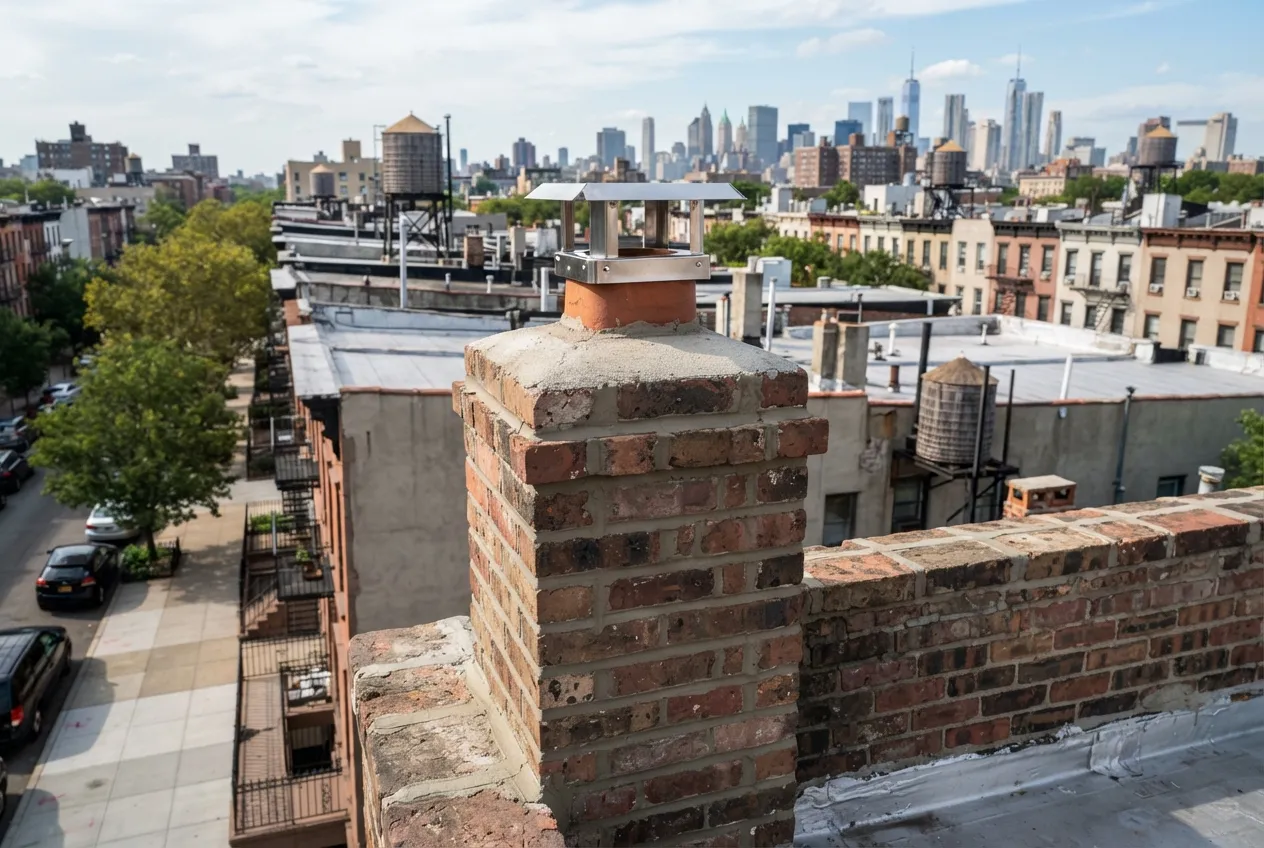
Some multifamily and older residential buildings in and around Hallets Point were originally heated by oil. When a New York City building converts its boiler from oil to gas, the chimney has to be evaluated as part of the work.
This matters because gas exhaust behaves differently from oil exhaust. It produces acidic condensate that can corrode a masonry flue from the inside. As a result, a new liner is often needed. A Level 2 inspection with a camera shows the condition of the existing flue, whether it's sized correctly for the new appliance, and whether relining should be part of the conversion plan. If you're a building owner or co-op board planning a conversion, it helps to schedule the inspection early so the chimney findings can shape the project instead of delaying it.
Timing Your Inspection Around Heat Season
New York City's heat season runs from October 1 through May 31. During those months, building owners must keep apartments heated to the city's minimum temperatures. A chimney or flue problem discovered in the middle of winter can put that obligation at risk while repairs are arranged.
For that reason, we suggest scheduling your inspection in late spring or summer, after the heating system has worked through a full season. Any damage or buildup from the winter will be visible then, and there is time to handle repairs before October. Homeowners who burn wood in a fireplace benefit from the same timing, since creosote and debris from the past season can be cleared before the next one.
Time for your annual chimney check?
What We Look For in Hallets Point Homes
Older masonry chimneys near the waterfront face steady exposure to wind and moisture. During an inspection, our technicians pay attention to the issues we commonly find in rowhouses and older apartment buildings across western Queens.
- Cracked or missing flue tiles, and gaps in mortar joints inside the flue
- Spalling brick, loose mortar, and damaged crowns at the top of the chimney
- Missing or rusted chimney caps that let in rain, birds, and debris
- Creosote buildup in wood-burning fireplaces
- Corrosion or deterioration in flues serving gas appliances
- Damper function and the condition of the firebox and smoke chamber
- Connector pipes from boilers and water heaters, including slope, joints, and clearances
What You Get After the Inspection
After the visit, you'll receive a clear explanation of what we found, with photos or camera footage where they help. We separate items that need prompt attention from things to keep an eye on. If cleaning or repair is needed, we'll tell you what it involves so you can decide how to proceed.
We also serve nearby Old Astoria, Ravenswood, Queensbridge, and Dutch Kills, as well as Yorkville across the river.
More services in Hallets Point
- Chimney Sweep in Hallets Point
- Chimney Repair in Hallets Point
- Air Duct Cleaning in Hallets Point
- Chimney Liner Installation in Hallets Point