The short answer
A chimney liner protects your masonry and your home from heat and corrosive exhaust, and older Turtle Bay flues often have cracked clay tiles or no liner at all. A new liner is commonly needed after an oil-to-gas boiler conversion or when you change appliances. PrimeFlue inspects the flue first, then sizes and installs a liner matched to the appliance it serves.
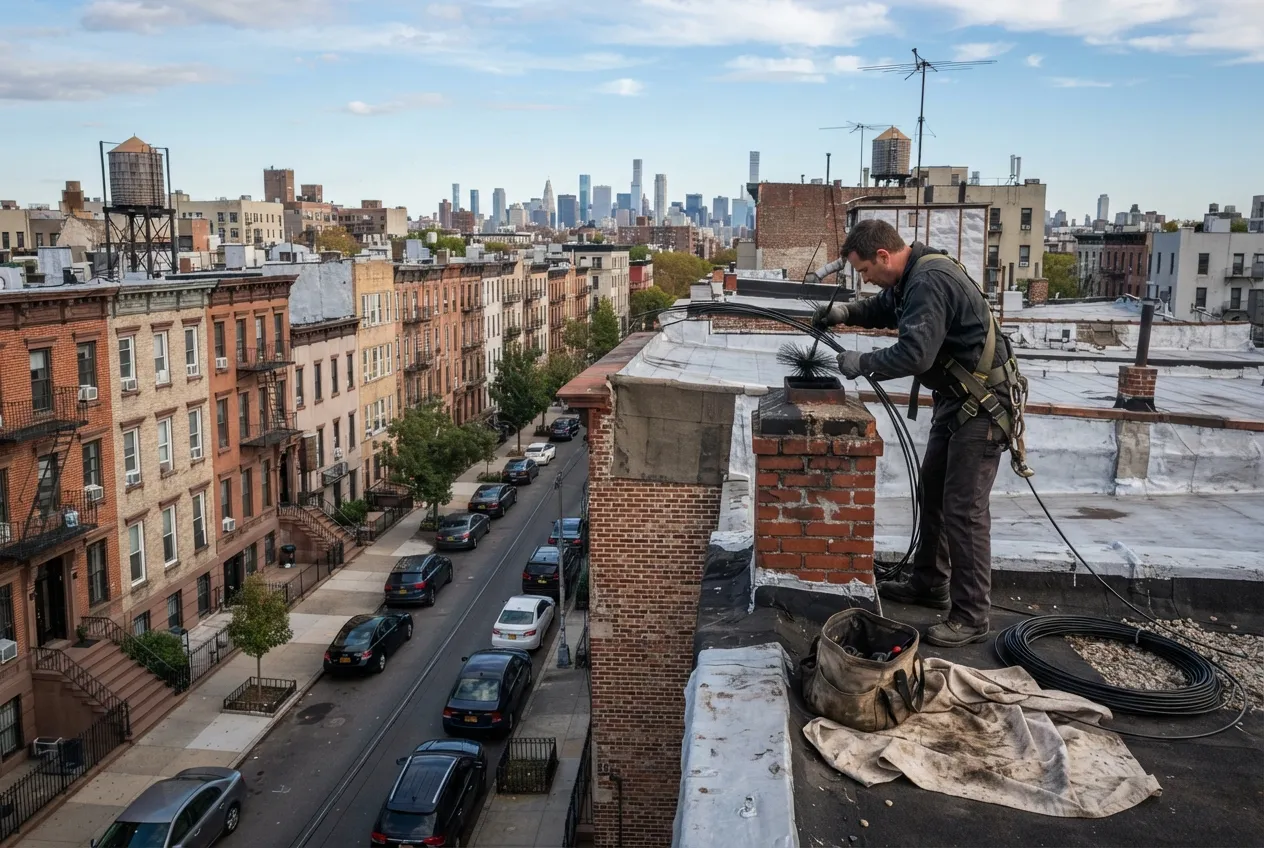
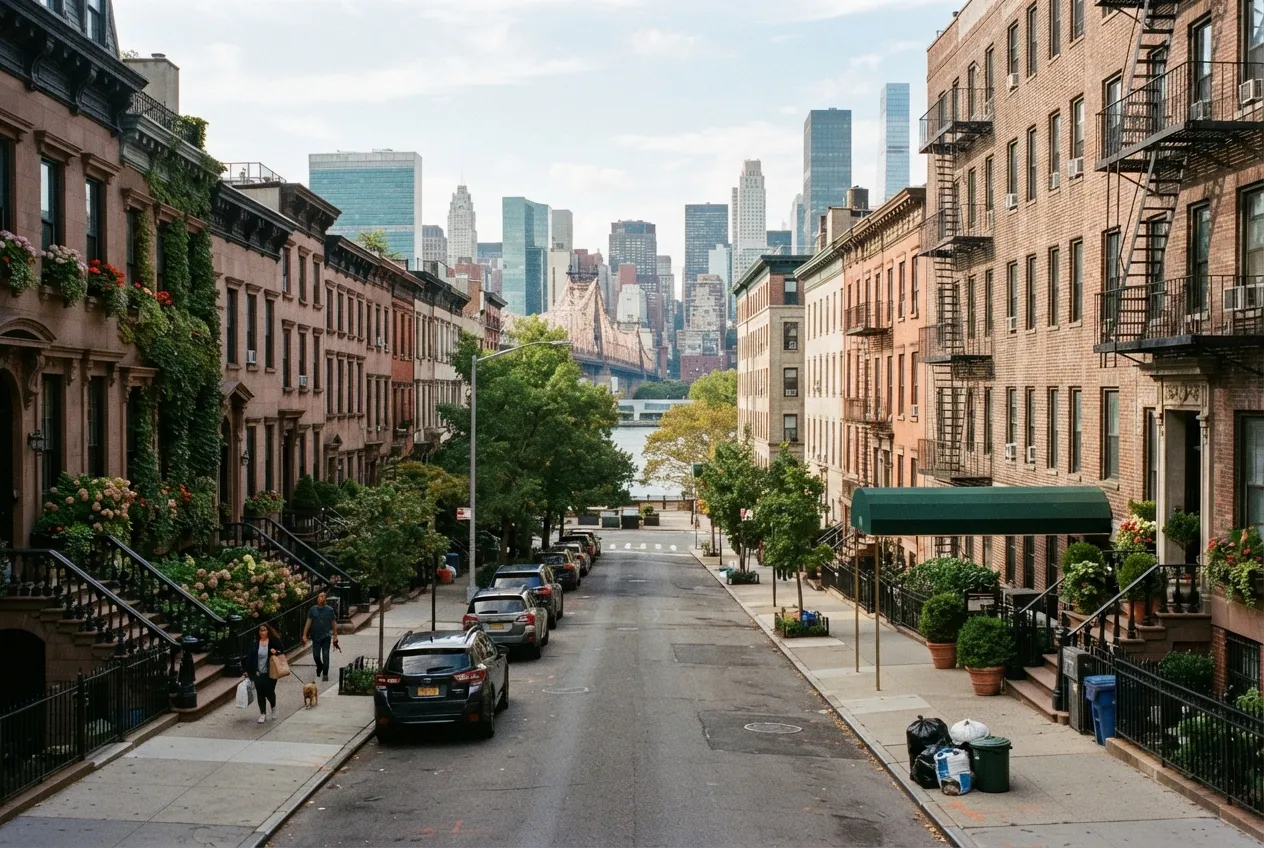
Many Turtle Bay homes were built long before today's heating appliances and fuels, and their chimney flues often show their age. You might own a brownstone or rowhouse with a wood-burning fireplace, or manage a pre-war apartment building whose boiler vents through a tall masonry chimney. Either way, the liner inside the flue carries exhaust out of the building and keeps heat, moisture and acidic byproducts away from the surrounding brick and wood. PrimeFlue Chimney Services installs new chimney liners throughout Turtle Bay, across the 10017 and 10022 ZIP codes and the rest of the neighborhood. Our certified technicians start every job by finding out what your flue actually needs. We don't assume a full relining is required.
Why Turtle Bay Chimneys Often Need a New Liner
Brownstones, rowhouses and pre-war apartment buildings in Turtle Bay were typically built with clay tile flue liners or, in some cases, with no liner at all. Over decades, clay tiles crack from heat, mortar joints between them erode, and Manhattan's freeze-and-thaw winters push water deeper into damaged masonry. A flue in that condition can let heat reach nearby framing, let exhaust leak into living space, and draft poorly.
Many owners only learn about liner problems during an inspection, a home sale or an appliance upgrade. Here are the signs we look for:
- Cracked, shifted or missing flue tiles seen during a camera inspection
- Crumbling mortar, flaking brick or white staining on the chimney exterior
- Water stains on walls or ceilings near the chimney
- Poor draft, smoke rolling into the room, or lingering exhaust odors
- A new furnace, boiler, water heater, stove or insert being connected to an old flue
Oil-to-Gas Conversions and Boiler Chimneys
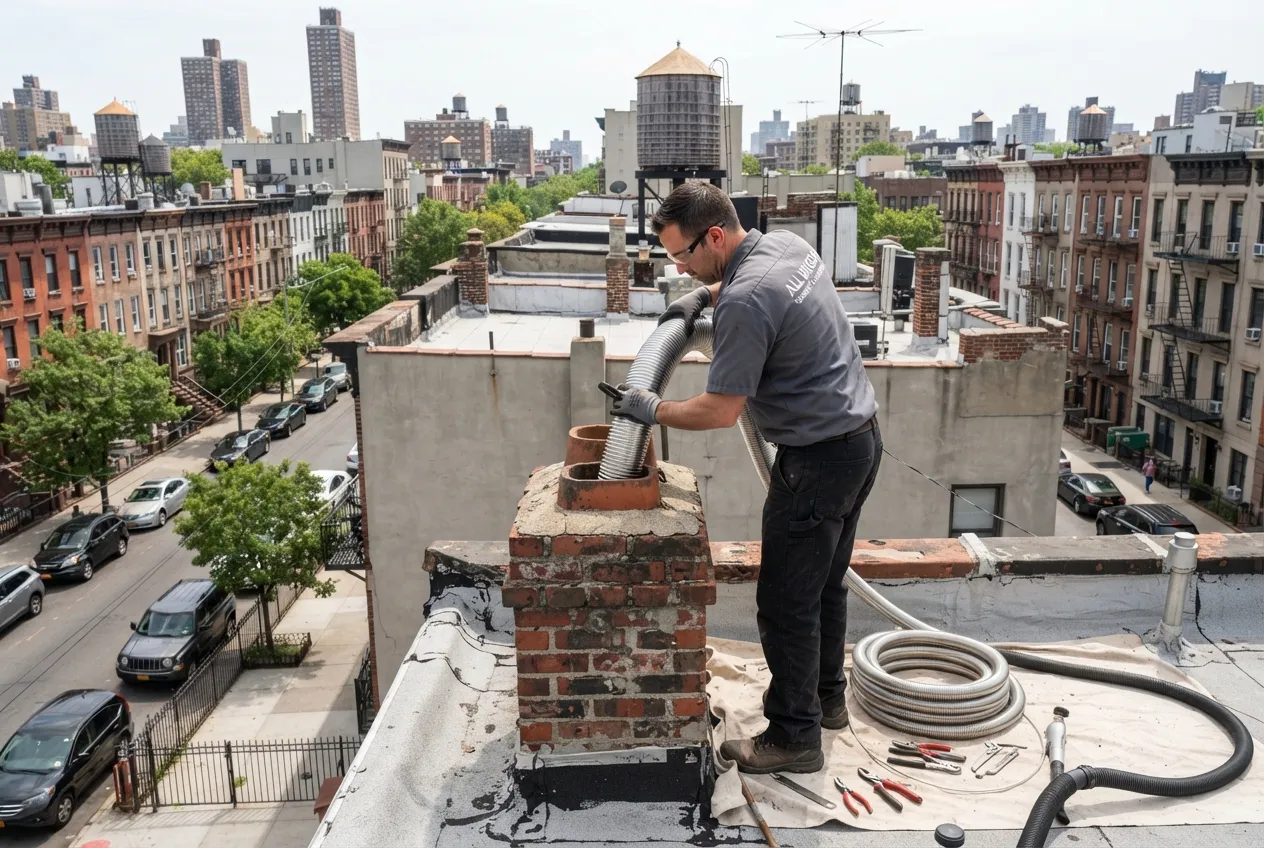
Many Turtle Bay buildings that once burned heating oil have switched or are planning to switch to gas. When a New York City building converts its boiler from oil to gas, the chimney has to be evaluated as part of the work. A new liner is often needed because gas exhaust produces acidic condensate that can corrode a masonry flue from the inside.
We work alongside your plumber or boiler contractor to confirm the flue size the new equipment needs. We then install a liner made for that exhaust. For co-ops and condominium buildings, we can coordinate roof access and scheduling with the managing agent or superintendent.
Liner Options We Install
The right liner depends on the fuel, the appliance and the shape of your existing flue. After the inspection, we explain the options that fit your chimney and why we recommend one over another.
- Stainless steel liners, flexible or rigid, for gas, oil and wood-burning appliances
- Insulated stainless liners for exterior chimneys and wood-burning fireplaces or inserts
- Cast-in-place liners that seal and strengthen deteriorated masonry flues
- Liners sized to the appliance's exhaust requirements, not just to the opening of the old flue
- New chimney caps installed with the liner to keep out rain, debris and animals
Time for your annual chimney check?
How the Installation Works
The NFPA 211 standard calls for chimneys, fireplaces and vents to be inspected once a year. It also describes a more detailed Level 2 inspection when the system changes, such as a new appliance or a switch of fuel, or when a home is sold. That is usually where a liner project begins. We examine the flue with a camera, measure it, and check the smoke chamber, crown and connection to the appliance. If a hidden problem can only be reached by opening part of the chimney or wall, we explain why before doing any of that work.
On installation day, we protect floors and furnishings and work from the roof and the appliance end of the flue. We fit and connect the liner and seal the top. We then confirm the appliance drafts properly. In narrow rowhouses and tall apartment buildings, access is often the hardest part, so we plan the route to the roof in advance.
Timing matters too. New York City's heat season runs from October 1 through May 31, when building owners must keep apartments heated to the city's minimum temperatures. If your boiler chimney needs a new liner, scheduling the work before October helps you avoid a shutdown during the heating months.
Serving Turtle Bay and Nearby Neighborhoods
Turtle Bay is a short trip from our Manhattan office, so we can schedule inspections and installations throughout the neighborhood. That includes the 10152, 10154, 10167, 10169, 10170, 10171, 10172 and 10174 ZIP codes. We also install chimney liners in East Midtown, Lenox Hill, Roosevelt Island, the Upper East Side and Carnegie Hill.
More services in Turtle Bay
- Chimney Sweep in Turtle Bay
- Chimney Inspection in Turtle Bay
- Chimney Repair in Turtle Bay
- Air Duct Cleaning in Turtle Bay