The short answer
Under the NFPA 211 standard, chimneys, fireplaces and vents should be inspected once a year. In Turtle Bay that usually means a Level 1 check for an unchanged fireplace or flue, or a Level 2 inspection when you buy or sell a home, add an appliance, or convert a building boiler from oil to gas.
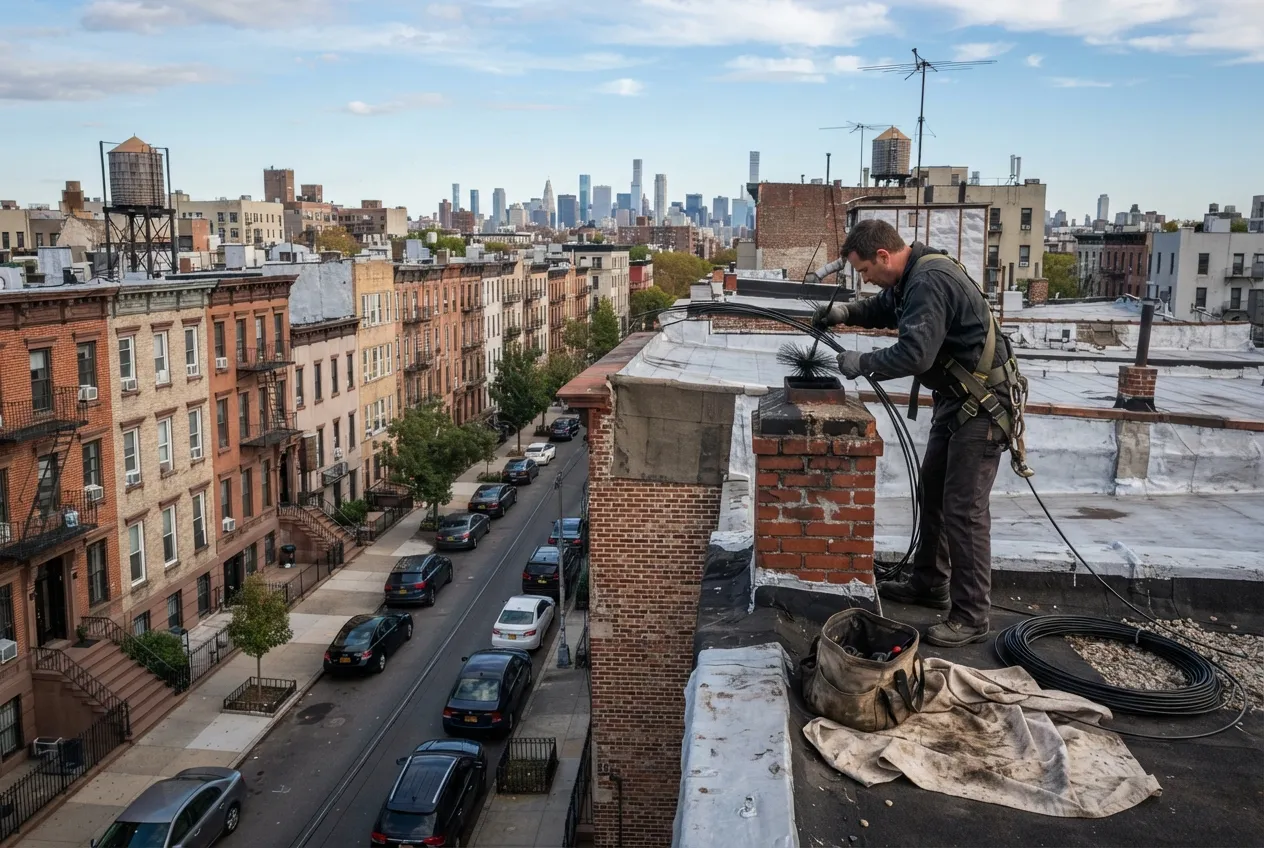
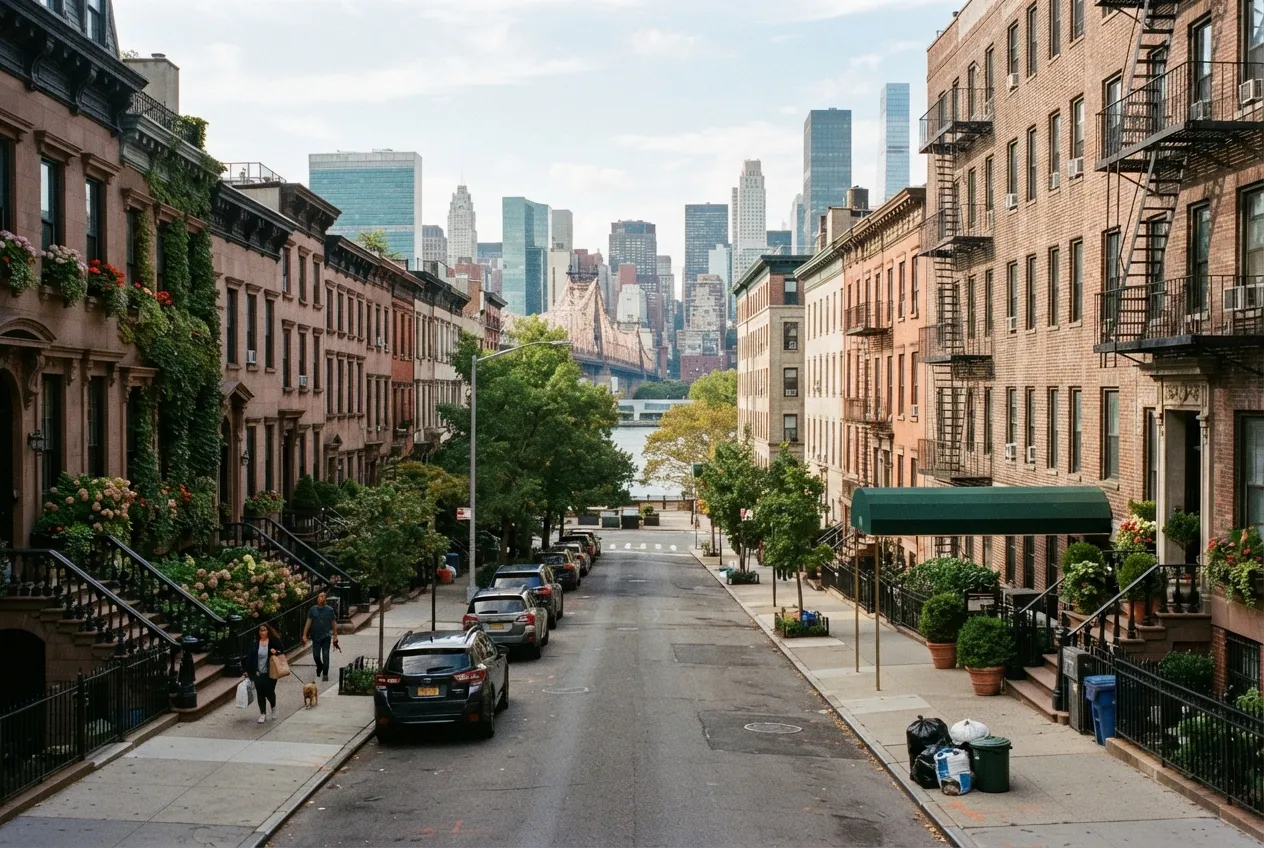
Turtle Bay has brownstones and rowhouses with working or long-closed fireplaces, plus pre-war apartment buildings with boilers that vent through tall masonry chimneys. A chimney can look fine from the room or the roof and still hide cracked flue tiles, missing mortar, or a liner that no longer suits the appliance it serves. PrimeFlue Chimney Services is about a mile from Turtle Bay, and our certified technicians inspect fireplaces, boiler and furnace flues, and vents across ZIP codes 10017 and 10022 and the commercial and residential addresses in 10152 through 10174. We tell you what we find, show you what we see, and explain which fixes are urgent and which can wait.
Which Inspection Level Your Turtle Bay Home Needs
The NFPA 211 standard calls for a yearly inspection of chimneys, fireplaces and vents. Chimney professionals use three levels, and the right one depends on what has changed in your home.
Most Turtle Bay owners who use their fireplace the same way each winter need a Level 1. When something changes, or when a home is sold, a Level 2 is the right call. A Level 3 is only needed when a hidden problem has to be reached by opening part of the chimney or the wall around it. We don't recommend a Level 3 unless the earlier levels point to a specific concern.
- Level 1: nothing has changed. We check the accessible parts of the firebox, damper, smoke chamber, flue and chimney exterior.
- Level 2: a new appliance, a switch of fuel, or a sale. We add a camera scan of the full flue and check accessible attic, basement and roof areas.
- Level 3: a suspected hidden hazard. We remove part of the chimney or building to reach it.
Brownstones and Rowhouses with Older Fireplaces
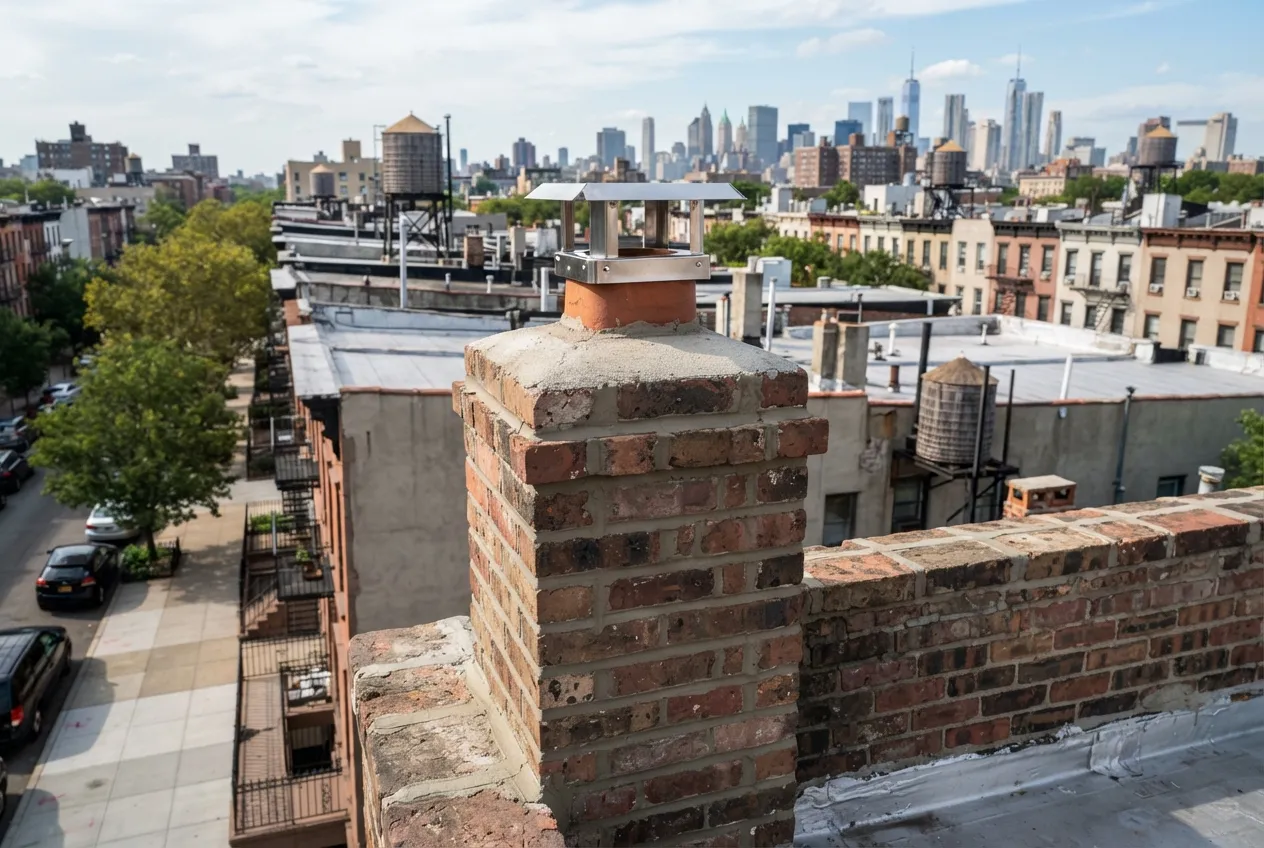
Many townhouses in the neighborhood have several fireplaces stacked floor over floor, each with its own flue in a shared chimney. Over the decades some get sealed, some get converted to gas logs, and some get reopened by a new owner who assumes they still work. A flue that sat unused for years can hold debris or animal nests, and the tile or mortar between flues can break down. That lets smoke or gases move into a neighboring flue or into the house.
Before you light a fire in a fireplace that hasn't been used in a while, or after you buy a townhouse, we scan each flue on camera. We check the damper and smoke chamber and look at the crown and flashing from the roof. You get a clear account of which fireplaces are safe to use as they are.
Apartment Buildings, Co-ops and Oil-to-Gas Conversions
Pre-war and mid-century apartment buildings in Turtle Bay often vent the boiler through a tall masonry chimney. When a New York City building converts its boiler from oil to gas, the chimney has to be evaluated as part of the work. A new liner is often needed, because gas exhaust produces acidic condensate that can corrode a masonry flue.
We work with building owners, co-op boards and superintendents to inspect the boiler flue, document its condition with camera footage, and say plainly whether relining is likely to be part of the project. Because the city's heat season runs from October 1 through May 31, when apartments must stay heated to the city's minimum temperatures, we suggest scheduling boiler flue inspections in late spring or summer. That leaves time for repairs before the heat has to be on.
Time for your annual chimney check?
What You Get After the Inspection
We write up the findings in plain language with photos or video from inside the flue. Each item is marked as a safety issue to fix before use, a repair to plan for, or something to watch at next year's inspection. If the chimney is in good shape, we say so.
We also serve East Midtown, Lenox Hill, Roosevelt Island, the Upper East Side and Carnegie Hill, so neighbors in nearby buildings can often be scheduled on the same visit.
More services in Turtle Bay
- Chimney Sweep in Turtle Bay
- Chimney Repair in Turtle Bay
- Air Duct Cleaning in Turtle Bay
- Chimney Liner Installation in Turtle Bay