The short answer
Most Old Astoria homes need a chimney inspection once a year, which is what the NFPA 211 standard recommends. A basic Level 1 inspection covers a system that hasn't changed. A home sale, new appliance or switch from oil to gas calls for a more detailed Level 2 inspection, and gas conversions often require a new liner.
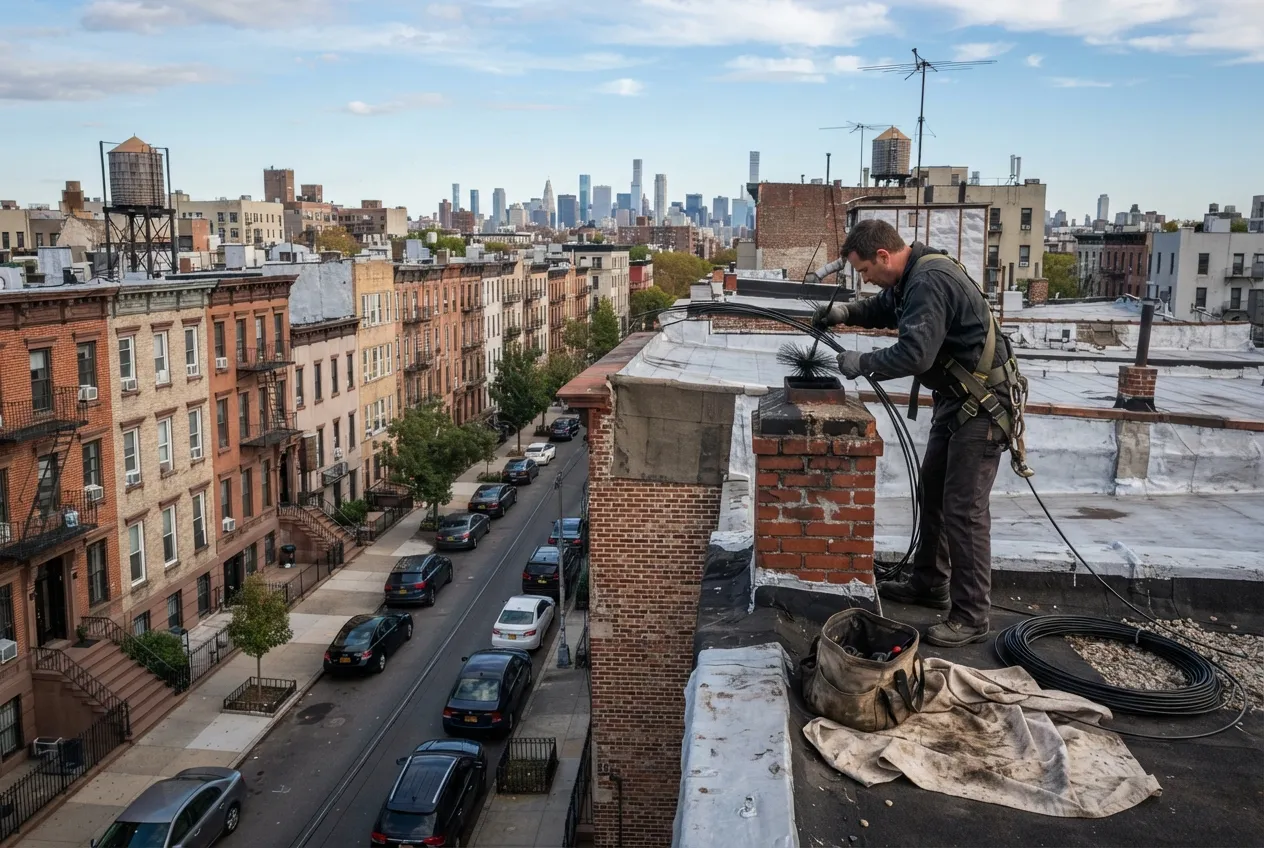
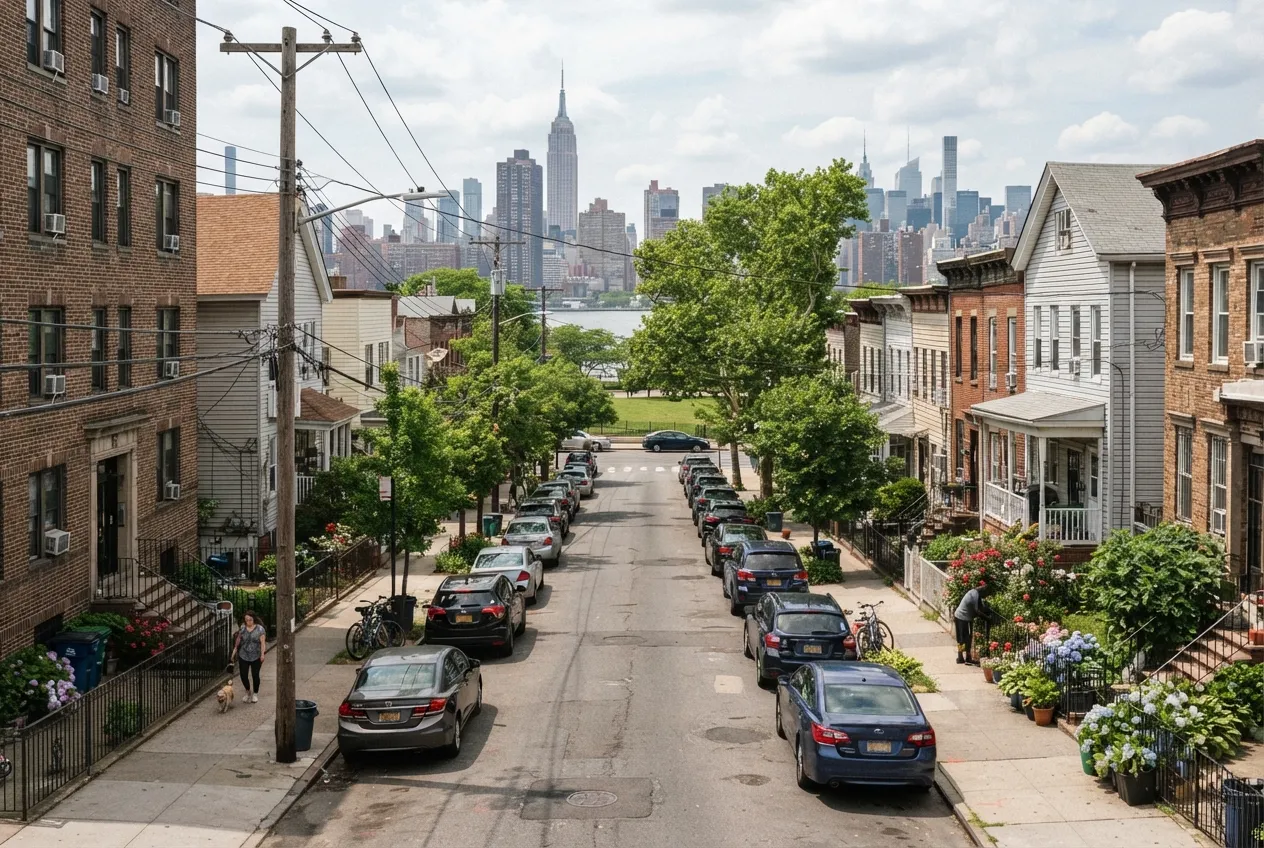
Old Astoria has a mix of attached rowhouses, older detached homes, small multifamily buildings and pre-war apartment buildings. Many of them have masonry chimneys that have vented several generations of heating equipment. A chimney inspection tells you whether that flue is still safe to use with the fireplace, wood stove or boiler you have today. PrimeFlue Chimney Services is about a mile east of the neighborhood in Manhattan, so our certified technicians can reach Old Astoria homes easily. We handle routine yearly checks as well as the more detailed inspections that come with a home sale, a renovation or a change of fuel.
Why yearly inspections matter for Old Astoria homes
The NFPA 211 standard calls for chimneys, fireplaces and vents to be inspected once a year. That applies whether you light a fireplace a few times each winter or rely on a boiler that runs every day. Older masonry chimneys wear in ways you can't see from the street or the living room. Mortar joints erode, clay flue tiles crack, and crowns let water into the brickwork.
New York City's heat season runs from October 1 through May 31. During those months, building owners must keep apartments heated to the city's minimum temperatures, so boilers in multifamily buildings work hard for most of the year. Scheduling an inspection in late summer or early fall gives you time to make repairs before the heat has to be on. It also beats discovering a blocked or damaged flue in January.
Choosing the right inspection level
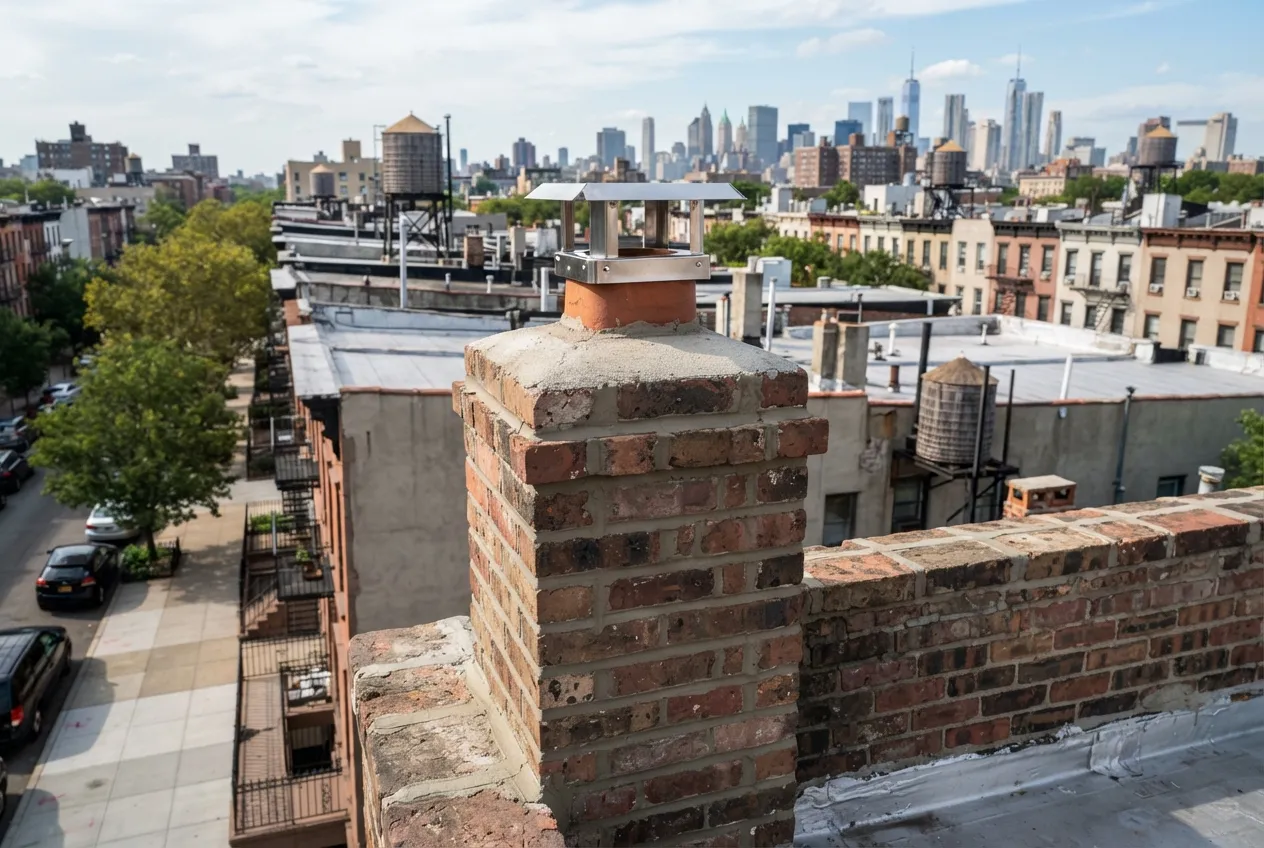
Chimney professionals use three inspection levels. We'll recommend the one that matches your situation and explain why before any work begins.
- Level 1: For a chimney and appliance that haven't changed since the last inspection. We check the accessible parts of the chimney, the appliance connection and the flue for soot, creosote, blockages and obvious damage.
- Level 2: For when the system changes, such as a new boiler, furnace, stove or insert, or a switch of fuel. It's also the right level when a home is being sold. This includes a camera inspection of the flue's interior and a closer look at the attic, roof and basement areas the chimney passes through.
- Level 3: For when a hidden hazard has to be reached by opening part of the chimney or the building, such as removing a section of wall or chimney to check suspected damage. This is only recommended when the earlier levels point to a concern that can't be confirmed any other way.
Oil-to-gas conversions and chimney liners
Many older Queens buildings were originally heated with oil, and some are now switching to gas. When a New York City building converts its boiler from oil to gas, the chimney has to be evaluated as part of the work. Gas exhaust produces acidic condensate that can corrode a masonry flue, so a new liner is often needed.
If you're planning a conversion, schedule the chimney inspection early in the process. Our technicians will inspect and photograph the existing flue. Then we'll tell you whether it can be used as is or needs a liner sized for the new equipment, so your heating contractor isn't left waiting on the chimney.
Time for your annual chimney check?
What we look at during an inspection
Old Astoria's rowhouses and attached homes often share party walls, and some chimneys run alongside or between neighboring units. We pay close attention to how the chimney is built and where heat and exhaust could escape. A typical inspection covers:
- Chimney crown, cap and flashing, and any signs of water entry
- Brick and mortar condition on the exterior and in accessible interior areas
- Flue liner cracks, gaps, missing sections or deterioration
- Creosote and soot buildup in wood-burning fireplaces and stoves
- Damper, smoke chamber and firebox condition
- Boiler or furnace connector pipe, joints and clearances to combustibles
- Nests, debris or other blockages that restrict draft
After the inspection
You'll receive written findings with photos or camera footage of the flue, so you can see what we saw. If something needs attention, we'll explain what it is, why it matters and which repairs are urgent versus which can be planned for later. If the chimney is in good shape, we'll tell you that too.
Besides Old Astoria, we inspect chimneys in nearby Hallets Point, Ravenswood, Queensbridge and Dutch Kills, as well as Yorkville across the river in Manhattan.
More services in Old Astoria
- Chimney Sweep in Old Astoria
- Chimney Repair in Old Astoria
- Air Duct Cleaning in Old Astoria
- Chimney Liner Installation in Old Astoria