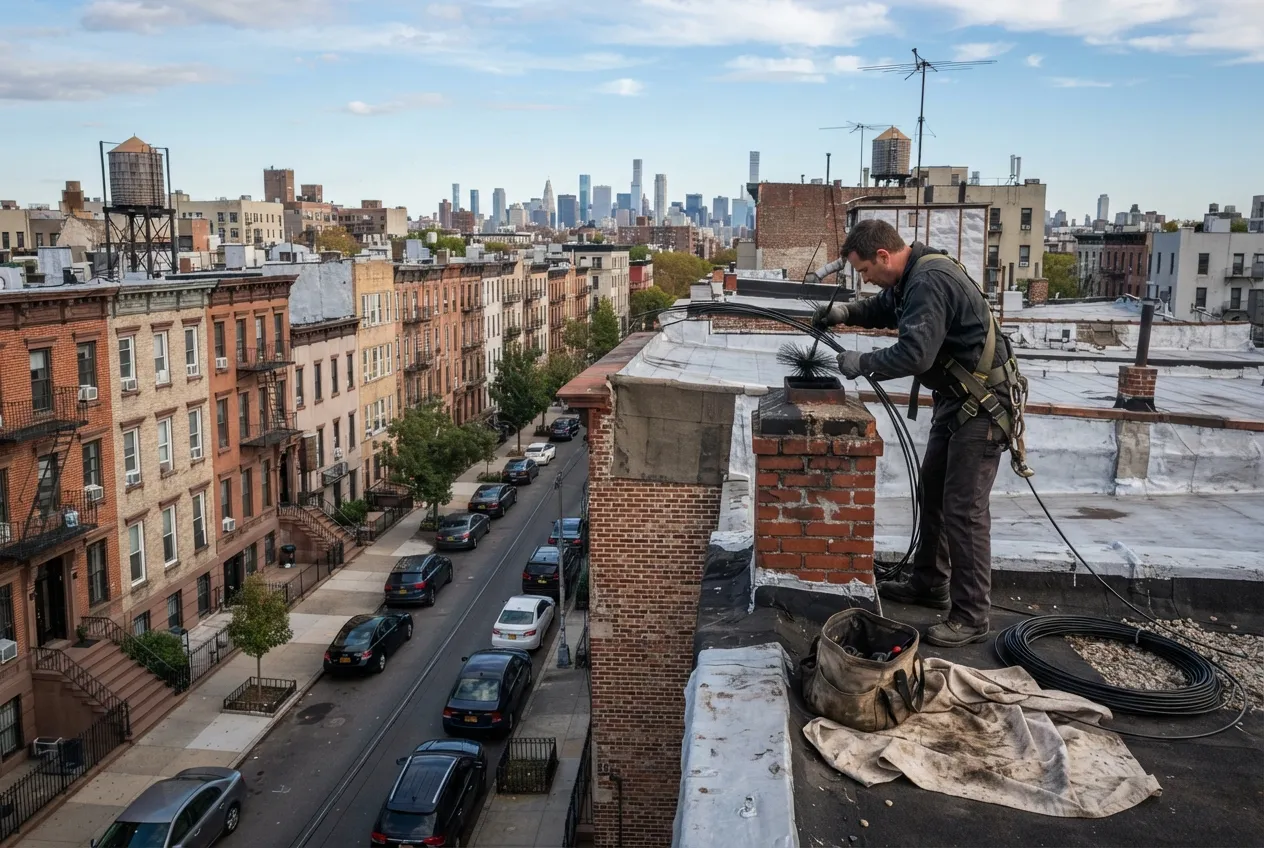
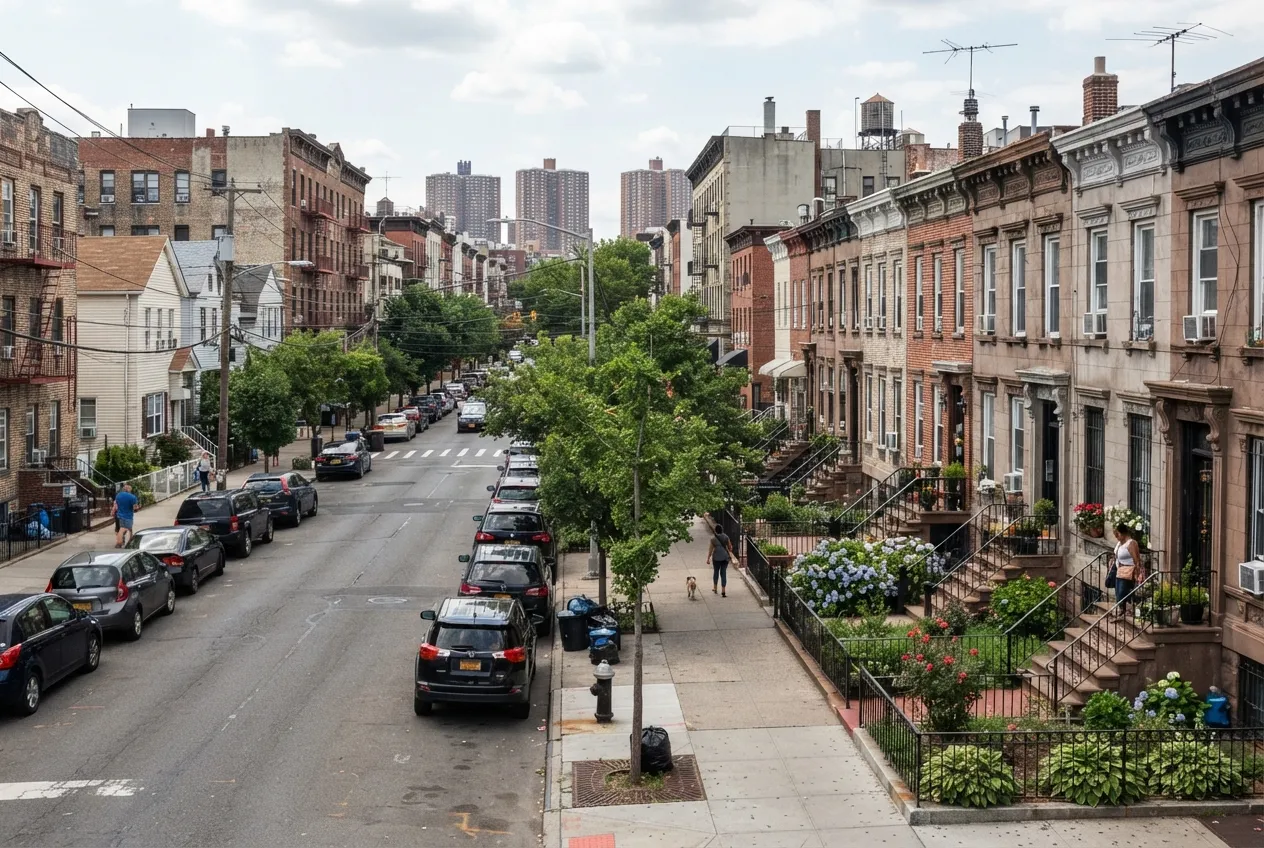
The short answer
PrimeFlue serves the entire Upper West Side, including ZIP codes 10023, 10024, 10025 and 10069, about 2 miles from our Manhattan office. Our certified technicians sweep, inspect, reline and repair chimneys in brownstones and pre-war buildings, and they clean dryer vents and air ducts.
PrimeFlue Chimney Services works throughout the Upper West Side, about 2 miles from our Manhattan office. The neighborhood's brownstones, rowhouses and pre-war apartment buildings put real demands on chimneys and vents. Wood-burning fireplaces may have sat unused for years, boiler flues serve many apartments at once, and dryer and duct runs are squeezed into tight spaces. Our certified technicians sweep, inspect and repair these systems. We explain what we find in plain terms so you can decide what to do next.
Chimney and Fireplace Service for Brownstones and Pre-War Buildings
Many Upper West Side homes have original masonry fireplaces, sometimes several in one chimney stack, with each flue serving a different floor. Over decades, mortar joints wear, flue tiles crack and dampers rust in place. If you buy or renovate a brownstone, you probably want to know whether a fireplace can be used safely again. That starts with a close look at every flue.
In apartment buildings, the chimney that matters most is usually the one serving the boiler. Owners, co-op boards and managers need flues that vent cleanly, especially before the cold months.
- Chimney sweep to remove soot, creosote and debris
- Chimney inspection at the level your situation calls for
- Chimney repair, including mortar joints and crowns
- Fireplace and damper repair for stuck, warped or rusted dampers
- Chimney rebuilding when masonry above the roofline has deteriorated
- Chimney liner installation for fireplaces, boilers and other appliances
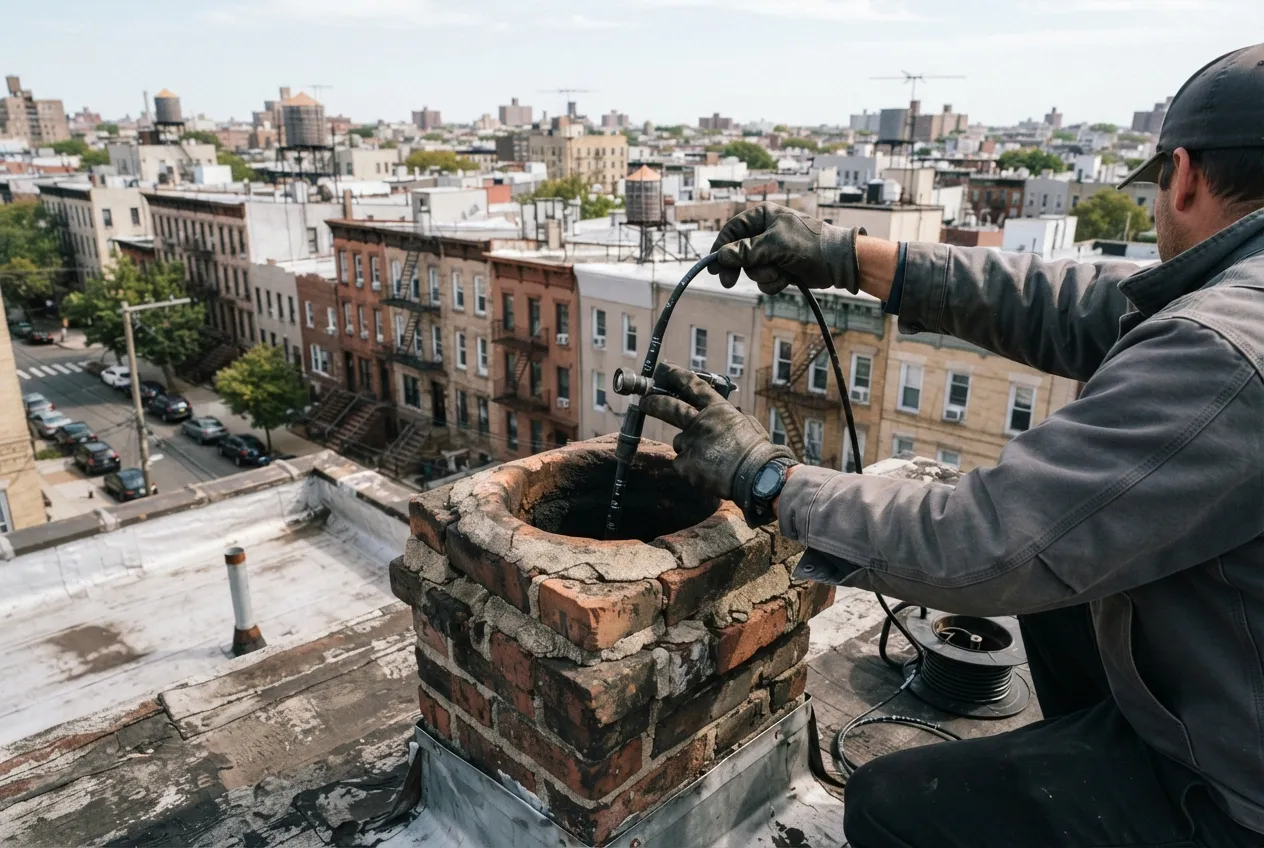
How Often to Have Your Chimney Inspected
The NFPA 211 standard calls for chimneys, fireplaces and vents to be inspected once a year. Chimney professionals use three inspection levels, and we'll recommend the one that fits your situation.
A Level 1 inspection fits a system that hasn't changed and that you use the same way as before. A Level 2 inspection is appropriate when something changes, such as a new appliance or a switch of fuel. It also applies when a home is sold, which is common as Upper West Side brownstones and apartments change hands. A Level 3 inspection is reserved for cases where a suspected hidden hazard can only be reached by opening part of the chimney or building.
Oil-to-Gas Conversions and Chimney Liners
Many older Manhattan buildings have moved their boilers from oil to gas. When a New York City building makes that conversion, the chimney has to be evaluated as part of the work. A new liner is often needed because gas exhaust produces acidic condensate that can corrode a masonry flue.
We evaluate the existing flue and explain whether a liner is needed. If it is, we install one sized for the appliance it serves. If your building is planning a conversion, bring us in early so the chimney work fits the project timeline.
Time for your annual chimney check?
Preparing for Manhattan Weather and Heat Season
Upper West Side chimneys face cold winters, repeated freeze-thaw cycles, wind-driven rain from coastal storms, and humid summers. Water that soaks into brick and mortar freezes, expands and gradually loosens joints and crowns. A chimney cap keeps rain, debris and birds out of the flue. A chase cover protects the top of a framed chimney. Chimney waterproofing helps masonry shed water while still letting it breathe.
New York City's heat season runs from October 1 through May 31. During that time, building owners must keep apartments heated to the city's minimum temperatures. Late summer and early fall are practical times to schedule sweeps, inspections and repairs. That way, boiler flues and fireplaces are ready before heating starts.
Dryer Vent and Air Duct Cleaning
According to the U.S. Fire Administration, failure to clean is the leading factor contributing to home clothes dryer fires. The long, winding vent runs common in apartments and renovated townhouses collect lint quickly. Signs it's time for a cleaning include clothes taking longer to dry, a laundry area that runs hot, or a burning smell.
We recommend air duct cleaning when there is substantial visible mold growth, signs of vermin, or excessive dust and debris, which are the situations the U.S. EPA identifies. The EPA also notes that duct cleaning hasn't been shown to prevent health problems. It suggests researching the process before responding to very cheap advertised offers and urges care with chemical treatments. We'll tell you honestly whether cleaning makes sense for your system.
Where We Work Near the Upper West Side
We serve the full Upper West Side, including ZIP codes 10023, 10024, 10025 and 10069. The neighborhood is about 2 miles from our Manhattan office, so scheduling a visit is straightforward. We also work in nearby Carnegie Hill, the Upper East Side, Yorkville, Lenox Hill and Roosevelt Island.
ZIP codes we serve
- 10023
- 10024
- 10025
- 10069